兩聲道
CD機 | MD機 | SACD機 | DAC | CAS | 合拼擴音機 | 前級擴音機 | 後級擴音機 | 接線 | 喇叭線 | 揚聲器 | 耳機 | 耳機擴音機 | LP產品 | 膽機產品 | 開卷式錄音機 | 音響配件 | DIY音響 | 電源 | 家庭影院
電視機 | 投影機 | 錄影機 | DVD影碟機 | Blu-ray影碟機 | 多媒體播放器 | 機頂盒 | 多聲道擴音機 | 多聲道揚聲器 | 多聲道影音組合 | Mini音響組合 | 重低音揚聲器 | 輔助設備 | 同好會
同好會 | Accuphase | B&W | Burmester | Denon | Jadis | KEF | KRELL | Luxman | Marantz | Nuforce | OPPO | Pioneer | TEAC | WEISS | News
News | Blog | 其他
其他 | 所有 |
| 影音天地主旨 ﹝請按主旨作出回應﹞ 上頁 下頁 首頁 尾頁 | 寄件者 | 傳送日期
|
| [#8262] 第三帝國時期的偉大指揮家 第三帝國時期的偉大指揮家古典音樂 昨晚上看了一部記錄電影,名字就叫THE GREAT CONDUCTORS OF THE THIRD REICH。片長一共53分鐘,基本上沒有解說,而全是33年-43年的一些音樂會與歌劇實況。第一個出場的是MAX VON SCHILLING,一個希特勒欽點的REORGANIZE德國音樂的人。他指揮柏林國家歌劇樂團演奏的威廉。退爾序曲。老實說,33年的錄音有這樣的效果相當不錯。淡然演奏沒有什麼太多令人深刻的地方。第二個是LEO BLECH,第三帝國時期唯一留任的猶太指揮。他指揮了紐倫堡名歌手的序曲。樂隊同上。第三個是KARL BOHM,紀錄片上是一場紐倫堡名歌手的實況,當然這堨u有前奏曲和終場的選段。其中有兩個印象深刻的,第一是帝國文化總監戈林(戈培爾?)的講話,某位大戶三聲,HAIL HITLER!全場人士馬上振臂高呼;第二是歌劇結尾,整個舞臺人聲鼎沸,紅旗飄飄。這兩點讓我不禁聯想到我們偉大的東方紅大歌舞。第三個出場的是KARAJAN,指揮BPO在被佔領的巴黎演出。曲目還是紐倫堡名哥手前奏曲。接著是FURT,在一個掛滿納粹旗幟的音樂廳堳揮BPO,曲目同上。(導演仿佛認定這首前奏曲是第三帝國的第二國歌一樣)。然後就是42年希特勒生日音樂會的實況,FURT/BPO,貝九。當然這堿O從FINALE中那段最後的四重唱開始的。當音樂結束時,只有震撼。不僅僅是音樂的,還有其他,是當我看到希特勒跑到台邊和FURT握手時。。。(可能是錄音問題,結尾的地方定音鼓聲音仿佛太強,以至其他聲部都有些不清楚。)過後就是KAN43年指揮BPO的貝九,還是從那個四重唱的地方開始。哎。。我現在明白為什麼希特勒說KNA比 起FURT是一個呆子了。倒數第二是CLEMENS KRAUSS指揮BPO的SCHUBERT未完成,在一個工廠堙C音樂很好,不過看著破敗的工廠和那些老工人的眼睛,我沒有任何評論。最後是40年HITLER到BAYRAUTH。傾城出動!而且很多婦女還因為看到元首而熱痊梐窗I(和我們真像!)結尾就是43年FURT OR ABENDROTH(字幕說明,因為43年兩位指揮分別指揮了幾場,而當時編輯膠片的資料早已遺失,所以不清楚電影堨X現的是哪一次)在拜羅一特指揮名歌手終場的鏡頭。我好像看到最後舞臺上的人們是否舉起了納粹的旗幟? 整部電影沒有評語,沒有解說。只有一副副畫面與一斷斷音樂。但是,我想導演想要告訴我們的已經明晰了。 http://www.wunderhorn.com/forum/forum.php?thread_id=10146&forum_id=1  |
george1977 正式會員 正式會員203.xxx.xxx.94 |
2008-04-03 09:13 | |
|
|
|||
| [#8263] 福特萬格勒逝世50週年最大話題盤 去年是福特萬格勒逝世50週年紀念,各大小廠推出釵h紀念盤,其中最大的話題盤,莫過於Archipel所推出的希特勒生日前一晚的祝壽音樂會實況錄音。該場1942年4月19日的演出,曲目為貝多芬第九號交響曲,這前所未聞的新發現。過去這個演出,僅見於終樂章片段的影像紀錄,且已經透過DVD形式發行。 Archipel雖然是完整收錄,包括掌聲及播音員的說話聲,但不像其他RRG錄音是Tape錄音,而是以acetate盤保存,所以音效並不好。  |
george1977 正式會員 203.xxx.xxx.94 |
2008-04-03 09:17 |
| [#8264] Hilter's Birthday Concert 這個錄音最初是去年四月間出現在Truesound Transfers所發行的CD-R盤,後來Truesound Transfers的老闆把蒐集來的唱片賣給Archipel發行。日本著名的福特萬格勒研究網站shin-p討論區(http://www.kit.hi-ho.ne.jp/shin-p/index.htm)的幾位常客,都認為這是真品,且演奏的起伏程度尤勝3月22-24日的著名Melodiya版 Hilter's Birthday Concert - 19.4.1942, Berlin Philharmonic Orchestra, conducted by Wilhelm Furtwaengler Braemer and Guell  |
george1977 正式會員 203.xxx.xxx.94 |
2008-04-03 09:19 |
| [#8265] 指揮家福特文格勒——把德意志音樂鑲進歷史牆 @ 曹立群 指揮家福特文格勒——把德意志音樂鑲進歷史牆 曹立群 1954年11月30日,一個普通的日子,但卻有一個偉人逝去,一個浮士德式的人物富特文格勒,帶著他對德國文化的摯愛與悔恨走完了生命的最後歷程。50年後的今天,所有熱愛他的人紀念他,絕不僅僅因為他是一個指揮家、作曲家、音樂家,而是因為他是那個時代的代表。幾個世紀以來,我們已經習慣於用某個人的名字來描述一段歷史,包括音樂的歷史;他們的名字成了特定時期、特殊的藝術風格的代名詞。德國作曲家欣德米特說:“富特文格勒是在第二次世界大戰後的十年,成為德國文化的形象,是他使德國文化重新站立起來。”其實在戰爭期間,不也是他頑強地獨立支撐著風雨飄搖中的德國文化麼?如果沒有人在納粹的統治下發出一點純粹的聲音,恐怕整個德國文化就會土崩瓦解。那樣的話,那些被炸毀的德國各大城市的歌劇院、音樂廳、博物館乃至教堂,就不僅僅是物質的廢墟,而且也是精神的瓦礫了。 一、神聖的儀式 讓我們的懷念之旅從巴赫開始吧。 巴赫的《管弦樂組曲》有無數指揮家演錄過多種版本,但只有在聆聽富特文格勒的錄音後,才有一種歷史畫面感。尤其是《第三組曲》的第三樂章,仿佛展現出一幅回憶歷史盛大場面的巨幅畫卷。1830年,孟德爾松用鋼琴演奏這段旋律時,老年的歌德向年輕的孟德爾松描述說,樂章的開頭“如此豪華莊嚴,人們仿佛看到一群顯貴人物循階而下。”只有富特文格勒能夠處理出這樣的效果。巴赫的旋律,孟德爾松的鋼琴演奏,歌德的高貴而華麗的想像,以及富特文格勒雍容大氣的詮釋,其間200多年的文化承傳顯示著德意志文化的生生不息。 聆聽富特文格勒闡釋的德奧作曲家的作品,常常讓人想起藝術史家溫克爾曼評論古希臘藝術的那句名言:偉大的靜穆。20世紀有那麼多偉大的指揮家,可為什麼圈內圈外的音樂家、藝術家、愛好者有著久久揮之不去的富特文格勒情結?是因為我們這個年代再也不會產生那樣的人物了,上帝再也不會賜給人類如此優秀的造物:母親是多才的畫家,父親是希臘瓶畫權威、慕尼克大學的教授,年輕時代的富特文格勒曾隨父親去希臘和義大利發懷古之思,在他的成長教育中,不僅有音樂的研習和操練(這一點釵h家庭都辦得到),而且有考古學家和藝術史學家的耳提面命。這樣的藝術氛圍使得成年的富特文格勒獲益匪淺,當他站在指揮臺上翻開巴赫貝多芬的總譜時,往往比別人看得更深更遠,他的思想、眼神和手臂傳達給每個樂隊隊員的已經不僅僅是音符和節奏。誠如二戰後一直為富特文格勒洗刷所謂戰爭罪名而四處奔走的梅紐因所說:“富特文格勒也閉O讓我們追溯到印度、古希臘傳統的最後一位闡述者。我們經常說,現在沒有神聖的東西了,但我相信,還有神聖的音樂。每次演出貝多芬、勃拉姆斯或是巴赫的作品,富特文格勒都完成了一個神聖的儀式。” 梅紐因說這番話時,離富特文格勒去世還有四個月,顯然這不是溢美之辭,而是由衷的肺腑之言。當今的音樂世界,神聖的儀式與神聖之人的確是漸行漸遠了。 二、責問的背後 當俾斯麥的鐵血十字架變成希特勒的鐵蹄在踐踏整個歐洲的時候,釵h德國的文學藝術家都選擇了流亡,儘管他們也眷戀德意志文化。當時乃至戰後,像湯瑪斯"曼和布魯諾"瓦爾特這些流亡作家藝術家反復在問一個問題:為什麼富特文格勒要留在德國?他比其他人更有機會留在國外,完全可以成為反法西斯的領袖人物。其實富特文格勒也非常猶豫,甚至非常絕望,關鍵的時候,是勳伯格給他鼓足了勇氣。1933年,時任柏林普魯士藝術研究院作曲系主任的勳伯格,在納粹上臺後,被迫辭職去法國避難。富特文格勒在巴黎遇到了勳伯格夫婦,是勳伯格要他回到德國,去創造偉大的音樂。“這是你的職責,也是真正的德國人民所需要的。”於是,富特文格勒開始了一場艱苦的文化保衛戰。在戰後他寫到:“德國絕不是納粹分子的德國,而只是被納粹分子統治的德國……為德意志民族精神而鬥爭,只能在這媔i行。” 然而歷史記錄很隨意地忽略了富特文格勒與勳伯格的巴黎談話,戰後,幾乎所有譴責富特文格勒的人都念念不忘發生在1937年那個著名的夏天的論辯。不止一個人目睹了在薩爾茲堡音樂節上,托斯卡尼尼和富特文格勒的歷史性的爭辯,雖然只有短短的幾分鐘。托斯卡尼尼的結論斬釘截鐵:只要在第三帝國當指揮就是納粹分子,藝術與音樂是當權者的工具。富特文格勒的反駁同樣是擲地有聲:偉大的音樂能夠與納粹主義對抗,音樂屬於另外一個世界,它與政治無關。半個多世紀以來,這段公案始終沒有最後了斷,但至少有一點富特文格勒是站不住腳的,那就是他的藝術純粹論。就像薩義德所指出的那樣:“到處都是政治,我們無法遁入純粹的藝術和思想的領域,因而也無法遁入超然無私的客觀性。”(《知識份子論》,三聯書店版,第24頁)富特文格勒的高尚意圖或者說是政治上的幼稚,被納粹當局所利用已是不爭的事實(戈培爾知道,音樂是富特文格勒的生命,不給他隊員和觀眾,他就成了沒有教堂的牧師,為了音樂,他妥協了),他為納粹政治的花招付出了沉重的代價。 然而,人們忽視了另一個層面的問題,富特文格勒選擇留在德國,通過音樂堅守了德意志文化傳統。正像他在1946年底向法庭做最後的陳述所說的那樣,他在德國面臨重大危機的時刻,想到的是自己的責任。 富特文格勒維護的是德國另一個形象和傳統。1790年的前後,當普魯士的建築師朗漢斯借鑒古希臘柱廊式的風格、設計並重建了柏林的勃蘭登堡門這件古典主義風格的建築傑作的同時,魏瑪發生了一場重大的文化變革。在歌德的推動下,魏瑪成了普魯士以外德意志的又一個中心,一個知識與精神的中心。這堬ㄔ秅F一大批優秀的知識份子,在這個作家、詩人與哲學家的隊伍堙A我們見到了一個光輝燦爛的群像:前面是萊辛和歌德,緊隨其後的是席勒、赫爾德、諾瓦利斯、黑格爾、費希特、施賴爾馬赫和施萊格爾兄弟……。在富特文格勒的作曲和指揮藝術生涯中,他所依據的恰恰是這樣一個得意志文化傳統。難能可貴的是,他用他的指揮藝術,把從巴赫、貝多芬到布魯克納的德國音樂經典也融入到這個傳統中來,在他的指揮藝術中,我們找到了德國音樂文化傳統的一個歷史座標。 三、誰在穿過勃蘭登堡門? 湯瑪斯"曼曾為自己的寫作定下了一個雙重的任務:說明自己的時代,同時也說明自己的生活。其實,一個作曲家指揮家在自己的藝術道路中也背負著這樣的雙重任務。第一次世界大戰之後到納粹掌權之前,柏林稱的上是世界文化的一個中心,本雅明曾經在《柏林日記》中記錄過難以忘懷的美好時光。幼年的他跟隨祖母去看《威廉"退爾》《溫莎的風流娘們》等歌劇,一個個熱鬧而歡樂的夜晚,大雪覆誘U的柏林在汽車的燈光埵V一個少年展現:“歌劇使這個城市突然泛出異樣的光”,“霧氣很重的夜晚,燈光閃爍著巨大的光環”。在本雅明的回憶中,柏林之夜的文化生活靜謐而神秘。1922年,富特文格勒來柏林接掌柏林愛樂樂團,趕上的正是這樣一個時代。30年代的柏林向全世界敞開了大門,勃蘭登堡門前每天車水馬龍,世界各地的藝術家從四面八方雲集到這堙C1930年,五大指揮家齊聚柏林:他們是托斯卡尼尼、富特文格勒、布魯諾"瓦爾特、埃塈J"克萊伯與克倫佩勒,顆粒粗糙的圖片記錄了這個音樂史上偉大的瞬間。那是柏林古典音樂的春天,是所有音樂人節日的慶典。富特文格勒以超凡的人格魅力和對音樂卓越的理解力,為柏林愛樂帶來了榮譽,也為自己卓爾不群的指揮地位奠定了堅實的基礎。釵h與他共事多年的樂隊隊員永遠緬懷與富特文格勒在一起的那些歲月。如果不是納粹統治的12年徹底摧毀了德國與德國文化,富特文格勒將會開創一個絕無僅有的古典音樂的繁華時代。 還是那座勃蘭登堡門,但過往的卻不再是世界各地的藝術家,也不再是熱愛音樂的柏林人。當納粹士兵舉著火把瘋狂湧過勃蘭登堡門時,德國開始走上了毀滅之路。 四、希望之園與避難之所 在那段特殊的日子堙A富特文格勒有過妥協與屈辱,因為戰後的責問聲音不斷,所以那些事情差不多是盡人皆知的。在這堙A還是讓我們瞭解一下他為維護德國文化所進行的艱苦不懈的鬥爭:1934年,對納粹禁演欣德米特的《畫家馬蒂斯》進行嚴正干預,在報紙上公開聲明自己的立場,並憤然辭去一切公職;1935年,在重返柏林愛樂指揮的冬賑義演會上,當所有的人用右手向希特勒行納粹禮時,只有他一人右手執指揮棒,並在多年後的釵h音樂會場合,拒絕指揮納粹党党歌,至少在柏林,人們知道他沒有投降;在維也納的一次音樂會上,他堅持在取下納粹黨黨旗後才能演出;1939年以後,納粹當局多次企圖讓富特文格勒赴被佔領國家演出,均遭到他的抵制;他還盡自己的一切可能,去搭救因種族問題和其他原因遭受迫害的音樂家包括猶太音樂家;由於他的努力,柏林愛樂樂團的成員在戰爭期間沒有一個服兵役的。要知道,他所做的一切,隨時都會使自己陷於極度的危險之中。1930年至1950年在柏林愛樂擔任首席的沃爾夫說,現在的人們很難想像富特文格勒是如何公開發表反對納粹的政治言論的,每一個言辭都有可能要他的命。事實上,沃爾夫所言絕非危言聳聽。從1933年起,希姆萊就為富特文格勒制定了一份詳細的檔案,在一份備忘錄中,希姆萊寫到:“不管某個猶太人有多麼壞,富特文格勒都要幫他一把。”(《富特文格勒的指揮藝術》,人民音樂出版社,第51頁。)這個殺人魔王不止一次地要求希特勒把富特文格勒送進集中營。 然而上述種種還不是最重要的,最重要的是他對德國音樂文化的責任和堅守。正是這種責任和堅守,讓德國歷史上最黑暗時期的人民還有一線生的希望。曾經受到納粹政權壓制的德國戲劇界名人巴爾洛格在盟軍審訊富特文格勒時作證說,富特文格勒是(德國的)人們認為活下去的理由之一,“既然還能聽到富特文格勒的音樂會,我們就不至於完全絕望。”(同上書,第54頁。)顯然,富特文格勒已經成為納粹德國時期絕無僅有的正義的精神象徵,他和他所指揮的音樂的存在,象徵著德國傳統文化的基石並沒有完全坍塌,他給黑暗中的人帶來一絲光明的希望。正如他自己所說的,在希特勒的恐怖統治下,人們最需要、最渴望聽到貝多芬的音樂。 由此我想到音樂的力量。肖斯塔科維奇說,音樂是人類最後的希望之園和最終的避難之所。在這個意義上說,在第二次世界大戰期間不同的時間與空間堙A無論是另一種專制主義高壓之下的肖斯塔科維奇,還是身陷集中營的法國作曲家梅西安和德國指揮家齊佩爾,以及黑暗德國之下的富特文格勒,他們實際上在履行一個看似不同而實際相似的使命:支撐人們的信念,拯救人們的靈魂。在蘇聯,肖斯塔科維奇的第七交響曲,在抗擊法西斯的同時,也暗中反抗了另一種極權,它使人民重新獲得了悲傷的權利;在西里西亞集中營,梅西安創作了《世界末日四重奏》,在50分鐘的演奏中,每一個被囚禁者都經歷了一次生命的洗禮;在慕尼克附近的達豪集中營,七拼八湊的“齊佩爾樂隊”所舉行的“廁所音樂會”,使很多從未聽到過古典音樂的人找到了生命的尊嚴;而在德國,富特文格勒指揮的貝多芬的交響曲同樣有著拯救普通德國人靈魂的意義,每當這些音樂響起的時候,巴赫和貝多芬的同胞們的心中,便回喚起生存下去的勇氣。儘管這些作曲家和指揮家,在歷史的不同時刻的所作所為,有著完全不同的政治背景,然而無論是在道德的水準、人生的價值以及音樂的品質上,都沒有高下優劣之分,他們都應該贏得人們的敬佩和讚賞。 五、藝術標準與人格標準 然而,還是有正義之士不肯放過富特文格勒和納粹的合作,儘管他並沒有出賣良心,或酗]並沒有比某些藝術家妥協得更多,那麼苛責所為何來?再來看看薩義德是怎麼說的:“在黑暗時代,知識份子經常被同一民族的成員指望挺身代表、陳訴、見證那個民族的苦難。” 薩義德套用王爾德的話說,傑出的知識份子總是與自己時代具有象徵的關係,在公眾意識中,他們代表成就、名聲、榮譽。反過來,人們在批評一個社群的惡行時,傑出的知識份子也經常成為眾矢之的。富特文格勒的境況正是這樣。在很多人的眼中,他就是貝多芬的化身,這樣一個頭頂光環的公眾人物怎麼能夠在希特勒53歲的生日音樂會上指揮貝多芬的第九交響曲,怎麼能夠和雙手沾滿人民鮮血的劊子手同唱“歡樂頌”?然而,明眼人一定能夠看出其中的委曲,在如此這般屈辱的妥協中,富特文格勒在不得已而為之中仍然有他的堅持,希特勒對貝多芬的利用作法完全是對德國精神的扭曲,而富特文格勒心中的貝多芬才是德意志靈魂的最高表達。無法洗刷被希特勒所利用這樣一個事實,但分清納粹頭子與藝術家心中的不同的貝多芬形象也是必須的。弗麗德琳"瓦格納說,富特文格勒之所以遭遇兩難境地,就在於“在國內被看做是一名反納粹分子而受到歧視,而在國外則被譴責為納粹分子。”同樣都拒絕指揮納粹党党歌,托斯卡尼尼的行為歷來為人稱頌,但富特文格勒這樣做卻是理所當然;富特文格勒拒絕赴被佔領國家指揮演出,而其他指揮家如卡爾"伯姆、克納佩茨佈施和克勞斯則表現得相當合作,他們的妥協卻並不為人指摘。原因很簡單,作為那個時代最優秀的德國音樂文化的傳播者、闡釋者,人們對富特文格勒的要求是“最高級”的,他們不允釵b他身上有任何污點,惟恐這些污點會損害大師的光芒。富特文格勒在確立了德國古典音樂詮釋最高水準的同時,無形中也確立了最高的人格標準。這一點恐怕連富特文格勒自己也估計不足。必須承認,作為戰前德國文化界的代表人物,他並沒有做到薩義德所說的,“從更寬廣的人類範圍來理解特定的種族或民族所蒙受的苦難”,沒能站在世界反法西斯的立場上去面對納粹的暴行和人類的災難。他妥協過,讓步過,而且這也讓他痛悔過,但他始終沒有超越道德的底線。須知“越界”是逃脫不掉歷史的懲罰的。荷蘭指揮家門格爾貝格因戰時與納粹合作,曾經到德國指揮過音樂會,戰後遭到終生不能在荷蘭演出的禁令,只好流亡瑞士6年,客死海外。維也納歌劇院指揮賴希魏因則由於參加了納粹黨而受到審判,最後在良知的譴責下自殺身亡。 藝術家們以不同的方式見證了那個時代,同時也見證了自己的生命軌跡。 六、戰時與戰後的錄音 回到有關指揮的話題。富特文格勒之所以與其他指揮家不同,最根本的一點就是,他身上“有著同貝多芬、勃拉姆斯、布魯克納、瓦格納同樣偉大的精神火花。”正因為如此,我們在他的指揮藝術中才能感受到“宏偉感與意念的崇高”(美國音樂評論家勳伯格語),那是“籠罩一切的曠達感”(梅紐因語)。富特文格勒用來評價布魯克納的話恰好用來說明他自己所追求的境界:“在幸福世界中高高地自由飛翔,簡璊H間的苦惱——在沒有感傷、沒有顧慮的情況下完成使命。”至於其他有關指揮技巧的話題,諸如敏銳的結構統一意識,自由發揮的即興意識,遊移不定的打拍子的方式等,留給指揮家們去探討吧。值得慶倖的是,在崇拜他的指揮家的行列中始終能看到梅塔、巴倫伯伊姆和阿什肯納吉等後來者的身影。 還有一個沒有答案的話題,我在多次聽過富特文格勒戰時和戰後的唱片時,發現了一個帶有共性的現象:在對同一部作品的激情、深度和力度的對比中,戰時尤其是1942至1945年的錄音與戰後這些年的錄音有很大的差異:戰時的解釋速度偏快,感情更為激越,像1944年與維也納愛樂樂團錄製的貝多芬第三交響曲雄偉壯麗、意氣風發,可以與之媲美的還有1943年根據同一場音樂會錄製的貝多芬第四、第五交響曲,而1942年的貝多芬第九交響曲更堪稱是他最高錄音成就的代表之一;同樣,1944年的布魯克納第八交響曲讓人感到“風暴驟起,群山當前”(阿杜安的形容);同年10月,富特文格勒兩次演出布魯克納第九交響曲,陰慘的諧謔曲“幾乎有寒風刺骨的感覺”。而戰後演出或錄製的相同曲目大都放慢了速度,減退了熱情,剩下的只有結構的平穩和氣息的寬廣,最後幾年的詮釋更帶有晦暗與神秘色彩。代表性的有1952年的貝多芬第三、1954年的貝多芬第五、1949年的布魯克納第八交響曲等。其中的原因恐怕並不簡單,不是在本文中三言兩語可以說清楚的。但這些戰時與戰後對同一作品的不同表達,為我們瞭解富特文格勒的指揮藝術提供了更大的空間。如果說其他指揮家在演出錄製音樂作品的變化,除了對作品的不斷理解外,還基於他們自己的生老病死(指死亡的威脅),那麼富特文格勒留給我們的則是德意志文化在他全部苦難歷程的心路變遷,是那個黑暗時代的刻骨銘心的歷史記憶。我們應該感謝富特文格勒,是他把德意志的音樂鑲進了歷史之牆。 最後引述三位瞭解、敬重他的人所說的話來結束這篇祭文。 “他是一個出色的音樂家,而為人也很誠實。在德國最糟糕的日子堙A他保護過弱者,幫助過無依無靠的人。我的頌詞是對一個具有非凡素質的人而講的,今天我們已經很少見到這種人了。” (比徹姆) “對美的基本真理的深刻信仰,促使他懂得如何把音樂的體驗轉化成信仰的懺悔。” (欣德米特) “他的音樂閃耀著人性……他喜歡大自然有關的一切而不重視物質,這些素質也存在於他的唱片之中。……通過唱片,他將繼續發言和影響其他人。” (伊莉莎白.富特文格勒) 2004年《愛樂》10-11期 合刊封面 http://www.qingyun.net.cn/cgi-bin/personal/pview.cgi?op=art&pn=cats&ord=217  |
george1977 正式會員 203.xxx.xxx.94 |
2008-04-03 09:24 |
| [#8266] 福特萬格勒最後的貝多芬第九演出 reissue 記得首度接觸福特萬格勒 (Wilhelm Furtwangler) 這個最後的貝多芬第九演出 (1954),是Tahra的官方版本出版,當時認為音質已屬上乘,Tahra版本市面上已消失酗[, 衷心希望能有商業盤發行!這個琉森第九都還不斷有再版,M&A去年底才又發行新reissue的版本 後來,OTAKEN也打著「決定盤」的名義發行,引起轟動,這次日本福特萬格勒協會盤恐怕又要顛覆福特萬格勒這個最晚年第九的聆聽經驗了。 日本福特萬格勒中心又有新盤推出,這是來自福特萬格勒夫人收藏母帶轉錄而成的琉森貝多芬第九(1954年8月22日),唱片編號:HALLMARK COLLECTION WFHC-015。看來,真正「決定盤」呼之欲出?  |
george1977 正式會員 203.xxx.xxx.94 |
2008-04-03 12:38 |
| [#8267] 福特萬格勒最後的貝多芬第九演出 reissue Thanks for the nice reading on Furtwangler. It was indeed an age of turmoil - To leave was easy. To stay was for a clause bigger than life. |
BenYC 正式會員 203.xxx.xxx.178 |
2008-04-03 13:25 |
| [#8268] 福特萬格勒最後的貝多芬第九演出 reissue BenYC I never aver the accusation against Furtwangler because staying in the third reich needs more courage and decency in order to resist the temptation of power, Furtwangler did his best to retain the virtue of german legitimate culture and humanity though he somehow compromised himself for Nazi's non-interference. I just wonder why people at that time treated him harsher than Richard Strauss, who was indeed a president of the state music bureau appointed by notorious Joseph Goebbels serving the Nazi government since 1933, though Strauss had done his utmost to keep his post but to remain apolitical . He is as he was always the noble humanitarian and inspired and influential musician! George1977 |
george1977 正式會員 203.xxx.xxx.94 |
2008-04-03 14:24 |
| [#8269] Notable recordings of Wilhelm Furtwangler There is a huge number of Furtwängler recordings currently available, mostly from live concerts. Many of these recordings were made during World War II using experimental tape technology. After the war they were confiscated by the Soviet Union for decades and have only recently become widely available, often on multiple legitimate and illegitimate labels. Despite sonic limitations, the recordings from this era are widely admired for their intensity by Furtwängler devotees. This is only a small selection of some of Furtwängler's most famed recordings. For more information, see his discography and list of currently available recordings. The French Wilhelm Furtängler Society also has a list of recommended recordings. Beethoven, Third Symphony, live performance with the Vienna Philharmonic, December 1944 (Music and Arts, Preiser, Tahra, Grand Slamm) Beethoven, Fifth Symphony, live performance with the Berlin Philharmonic, June 1943 (Classica d'Oro, Deutsche Grammophon, Enterprise, Music and Arts, Opus Kura, Tahra) Beethoven, Seventh Symphony, live performance with the Berlin Philharmonic, November 1943 (Classica d'Oro, Deutsche Grammophon, Music and Arts, Opus Kura) Beethoven, Ninth Symphony, live performance with the Berlin Philharmonic, March 1942 (Classica d'Oro, Music and Arts, Opus Kura, Tahra) Beethoven, Ninth Symphony, live performance at the re-opening of Bayreuther Festspiele with Elisabeth Schwarzkopf, Elisabeth Höngen, Hans Hopf and Otto Edelmann. (EMI 1951). This recording is very slow; it takes 74 minutes and 40 seconds, and was taken as the playing time of the Compact Disc. The first single CD release was introduced in 1988.[13] Beethoven, Ninth Symphony, live performance at the 1954 Lucerne Festival with the London Philharmonia, Lucerne Festival Choir, Elisabeth Schwarzkopf, Elsa Cavelti, Ernst Haflinger and Otto Edelmann (Music and Arts, Tahra). Brahms, First Symphony, live performance with the North German Radio Symphony Orchestra, Hamburg, October 1951 (Music and Arts, Tahra) Brahms, Second Symphony, live performance with the Vienna Philharmonic, January 1945 (Deutsche Grammophon, Music and Arts) Brahms, Third Symphony, live performance with the Berlin Philharmonic, December 1949 (EMI) Brahms, Fourth Symphony, live performance with the Berlin Philharmonic, October 1948 (EMI) Bruckner, Fifth Symphony, live performance with the Berlin Philharmonic, October 1942 (Classica d'Oro, Deutsche Grammophon, Music and Arts) Bruckner, Eighth Symphony, live performance with the Vienna Philharmonic, October 1944 (Deutsche Grammophon, Music and Arts) Bruckner, Ninth Symphony, live performance with the Berlin Philharmonic, October 1944 (Deutsche Grammophon) Furtwängler, Second Symphony, live performance with the Vienna Philharmonic, February 1953 (Orfeo) Mozart, Don Giovanni, both the 1953 and 1954 Salzburg Festival recordings (in live performance). These have been made available on several labels, but mostly EMI. Schubert, Ninth Symphony, live performance with the Berlin Philharmonic, 1942 (Deutsche Grammophon, Magic Master, Music and Arts, Opus Kura) Schubert, Die Zauberharfe overture, live performance with the Berlin Philharmonic Orchestra, September 1953 (Deutsche Grammophon) Schumann, Fourth Symphony, studio recording with the Berlin Philharmonic, Deutsche Grammophon, May 1953 (Deutsche Grammophon) Tchaikovsky, Sixth Symphony ("Pathétique"), studio recording with the Berlin Philharmonic, HMV, 1938 (EMI, Naxos) Wagner, Tristan und Isolde, studio recording with Flagstad, HMV, July 1952 (EMI, Naxos) and Der Ring des Nibelungen with Wolfgang Windgassen, Ludwig Suthaus, and Martha Mödl, 1953 (EMI). Richard Wagner: Die Walküre, his last recording in 1954. EMI planned to record "Der ring des Nibelungen" on studio under Furtwängler baton but he only could finish this work shortly before his death. Cast includes Martha Mödl (Brünnhilde), Leonie Rysanek (Sieglinde), Ludwig Suthaus(Siegmund), Gottlob Frick(Hunding)and Ferdinand Frantz (Wotan). http://en.wikipedia.org/wiki/Wilhelm_Furtwangler  |
george1977 正式會員 203.xxx.xxx.94 |
2008-04-03 15:33 |
| [#8270] Notable recordings of Wilhelm Furtwangler I just wonder why people at that time treated him harsher than Richard Strauss, who was indeed a president of the state music bureau appointed by notorious Joseph Goebbels serving the Nazi government since 1933, though Strauss had done his utmost to keep his post but to remain apolitical . _______________________________________ I guess being a famous composer, Strauss could always hide from the spotlight. (BTW, Struass was an awesome conductor. His Beethoven S#5 is simply breathtaking.) Yet being a performer, the spotlight is always on. |
BenYC 正式會員 203.xxx.xxx.178 |
2008-04-03 15:49 |
| [#8271] Notable recordings of Wilhelm Furtwangler (BTW, Struass was an awesome conductor. His Beethoven S#5 is simply breathtaking.) ------------------------------------------------ Originally recorded and released by DGG during 1926-28, now available in Naxos Historical Series. George1977  |
george1977 正式會員 203.xxx.xxx.94 |
2008-04-03 17:47 |
| [#8272] Notable recordings of Wilhelm Furtwangler Hi George, I did not get a chance to listen to the Naxo version. The B5 I got is with Berlin Phil under World Classic label. Will try out the Naxos version if bump into it. Cheers. |
BenYC 正式會員 219.xxx.xxx.98 |
2008-04-03 19:19 |
| [#8273] 福特萬格勒最後的貝多芬第九演出 reissue (2) 這張 Music & Arts 去年底發行的「琉森版第九」,編號CD-790和該廠牌首版(1995)同錄音唱片編號相同,除了換封面外,並由Aaron Z. Snyder進行全新的 digital remaster。 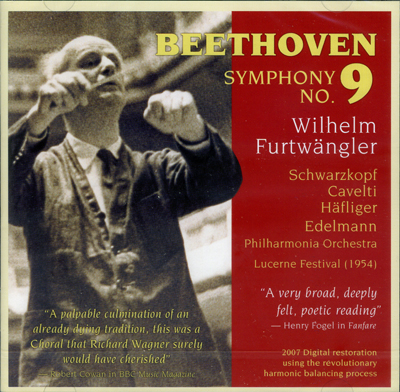 |
george1977 正式會員 220.xxx.xxx.122 |
2008-04-04 15:47 |
| [#8274] Doremi公司的柯岡新CD 加拿大的Doremi公司即將發行一張柯岡(Leonid Kogan 1924-1982)的最新CD唱片,收錄的內容是1958年大師初次到美國的首演現場音樂會,曲目是布拉姆斯D大調及莫札特第三號協奏曲,這是首次曝光的稀有錄音. 1958 年柯岡首次到美國進行訪問演奏,首演是在1月11日,曲目為布拉姆斯的D大調小提琴協奏曲,當時擔任指揮的是皮爾孟都(Pierre Monteux),擔任伴奏的樂團是波士頓交響樂團,這次Doremi公司發行的就是這個錄音,柯岡在這次的訪問演奏中還為RCA公司錄製了哈察都量的小提琴協奏曲及聖賞的哈瓦奈斯舞曲,這兩個錄音也已出現過CD版,在Doremi的這張CD中還收錄了1958年2月2日的現場演奏會錄音,曲目為莫札特G 大調第三號小提琴協奏曲,相關訊息請參考Doremi的官方網站: http://www.doremi.com/kogan.html 柯岡在RCA的錄音: http://www.hmv.co.jp/product/detail/61795  |
george1977 正式會員 220.xxx.xxx.122 |
2008-04-04 16:34 |
| [#8275] 日本人的布魯克納 有一次去欣賞NHK交響樂團的定期演出,看到大廳在販售NHK交響樂團的CD,其中也有包括卡拉揚在內之大師指揮這個樂團的錄音。我想想:回到台灣可買不到。於是也挑了兩張布魯克納的交響曲專輯,是由日本指揮家朝比奈隆指揮的第四號與第九號。 回到台灣後,拿出來聽了幾次,終於恍然大悟,原來日本人演奏的問題出在整體音樂拘束而放不開,使得內心的感動打了折扣,這兩張CD從此打入冷宮,很少再拿出來聆賞。前幾天整理CD時,突然發現它們,心血來潮再次聆聽,還是覺得演奏的很好,然而很想問這些日本人一個老問題:拜託拜託,可不可以再奔放狂野一點,我需要多一點的爽度啊! http://blog.yam.com/frankbach  |
george1977 正式會員 220.xxx.xxx.122 |
2008-04-04 21:23 |
| [#8276] 桃太郎演奏柴可夫斯基 柴可夫斯基大賽當然要以柴可夫斯基的D大調小提琴協奏曲決戰,這首樂曲是作曲者的神來之筆。1877年5月,柴可夫斯基與他莫斯科音樂院的學生安東尼娜•米留柯娃(Antonina Milyukova,1849~1917)結婚,但由於新婚妻子完全無法暸解丈夫的藝術理念,柴可夫斯基很快的感到神經衰弱。婚後3個月,柴可夫斯基逃往歐洲其他地方旅行散心,為的是讓受創的心靈能夠得到平靜,沒想到這趟旅遊帶給柴可夫斯基釵h意想不到的音樂靈感,途中在法國欣賞了薩拉沙泰演奏拉羅的西班牙交響曲,他也燃起了創作小提琴協奏曲的強烈慾望。離開法國後,柴可夫斯基暫居瑞士日內瓦湖畔的克拉倫斯(Clarens),一方面作精神療養,一方面試著創作心目中的小提琴協奏曲,他下筆有如神助,不到一個月即完成新曲。 樂曲完成後,柴可夫斯基將此曲獻給當時聖彼得堡音樂院小提琴教授奧爾(L. Auer,1845~1930),並請他擔任首演,沒想到奧爾看到樂譜後,竟然對柴可夫斯基表示無法演出而退還。後來柴可夫斯基的好友,也是當時德國萊比錫音樂院小提琴教授布羅斯基(A. Brodsky,1851~1929)慧眼識英雄的擔任起首演任務,當時配合的是一時之選的指揮家李希特(H. Richter,1843-1916)與維也納愛樂,然而指揮與樂團都對此曲興趣缺缺,首演成果不盡如人意,幸好首演的失敗並未讓布羅斯基氣餒。他再接再厲推廣此曲使其逐漸平反,後來連當初看走眼的奧爾也承認其價值,而拿來當作教學重點。 快板的第一樂章由管弦樂主奏第一主題片段出現,逐漸把樂曲情緒提高,然後小提琴以裝飾奏起始,帶出斯拉夫風味哀愁旋律的第一主題,此一主題在由管弦樂團加以展開後,纖細的第二主題緊接著由主奏小提琴唱出。然後在一連串反覆變化後,以充滿魄力的結尾收場。第二樂章先是木管樂器序奏,然後小提琴獨奏登場,這段柔和的憂愁旋律與第一樂章的激昂形成對比,整個樂章則沈溺於這個旋律不可言喻的溫柔中。第三樂章在突兀的管弦樂強奏後,接著是無伴奏的一段小提琴獨奏,然後才是第一主題,這是俄國舞曲風的樂曲。第二主題出現後,明顯的較之前主題更為粗野活潑,而整個第三樂章就在如此狂熱情緒裡結束全曲。 這樣的一首曲子由18歲的小姑娘演奏起來會如何呢?我們從1990年的奪標者音樂會實況錄音中,可以聽到諏訪內晶子演奏的柴可夫斯基的D大調小提琴協奏曲,當時才18歲的她,詮釋樂曲方式是比較直接的,並未在樂曲中注入太多情感,然而台風非常穩健,在大場面毫不怯場,已頗有大將之風,若在不知情的狀況下聆賞,絕對無法想像這是高中剛畢業的日本小美眉所演奏出來的音樂。 http://blog.yam.com/frankbach&page=2  |
george1977 正式會員 220.xxx.xxx.122 |
2008-04-04 21:29 |
| [#8277] The Best of Mahler 9th Symphony? Tony Duggan has recently declared his belief that the Rattle/BPO performance may well be the finest of them all Mahler’s Ninth has been a fortunate symphony on record. From Bruno Walter "live" in Vienna in 1938, only days before the Nazis marched in, to this new recording conducted by Simon Rattle in post-cold-war Berlin in late 2007, this work has always brought out the best in conductors and orchestras when the microphones were on. It is a work that seems to challenge them to reach deep, find new ideas, new ways of referencing the life of its composer, his time, its place in musical history and the responses it can provoke in we the listeners. Perhaps it is the profundity of the work itself that taps into something profound in players and listeners and inspires them, or perhaps it is just luck all along. What ever it is, this has always been the hardest of all the Mahler symphonies of which to recommend one recording, so spoilt for choice is the buyer. When I first wrote my Mahler recordings survey for this work some years ago I ruthlessly concluded that there were five absolutely outstanding versions on record, the cr鋗e de la cr鋗e, that address the work in slightly different ways but none of which I would ever wish to be without. These were great recordings conducted by Walter (Sony SM2K 64452 his second version), Klemperer (EMI 5 67036 2), Horenstein (Vox CDX2 5509 his only studio version), Barbirolli (EMI (72435679252) and Haitink (Philips 4622992). The most recent of these was Haitink’s from the 1970s and whilst there have been other excellent recordings of the Ninth released since then (Boulez and Abbado on DG spring to mind as superb) there have been none that I would quite place among what I consider to be the five elect. Until now. This is Simon Rattle’s second recording of the work. His first was a "live" performance with the Vienna Philharmonic recorded for broadcast by Austrian Radio which EMI then issued in 1998. I had this to say about it in my survey of Ninth recordings: "Simon Rattle's version on EMI (5 56580 2) also records "live" a first appearance with one of the great European orchestras, in this case the Vienna Philharmonic. It shares the same thought world and general approach as the Bernstein but doesn't, I think, quite convince in its own way. Another problem I have is the wide dynamic range of the recording. In order to hear the softest sections you have to endure the loud ones at a volume setting that could loosen the slates on your roof." Let me say straight away that this new recording addresses every aspect of the Vienna one that I found ruled it out. The wide emotional extremes that Rattle indulged in, for me unconvincingly, like someone wearing borrowed clothes, have been banished for an ideal medium of head with heart. The wide dynamic range that I found so troubling has likewise been replaced by ideal balancing all round both by the conductor and the engineers. It is not often that a conductor’s second recording of a Mahler work results in an emphatic improvement but that is triumphantly the case here. So for the duration of this review I shall not mention Rattle’s first recording again. Suffice to say that if you have it then you need to replace it now. After reaching the end of the new recording for the first time, among the strongest feelings I had overall was how it miraculously seemed to have in it all the elements that I admired most in my five elect recordings, pointing me towards a remarkable thought that I might even be in the presence of an ideal recording of Mahler’s Ninth. Here is the clarity, the honesty, the "Brueghelesque" primary coloured toughness, the Stoicism of Klemperer, promoting the work as precursor of Modernist musical thought. But this is tempered by the definite old-world mellowness of expressive legato that recalls Walter at his most persuasive, especially where the emotional core calls for it. Then, when needed, the "dark night of the soul" that Horenstein brings throws its broad shadow across the landscape and threatens to trouble the waking hours. The extra emotional charge of Barbirolli runs through it like a rich vein of feeling too but, as with Sir John, it never threatens to overwhelm and preserves that crucial head/heart balance Barbirolli was so good at in Mahler. If this wasn’t enough, Rattle also seems to share Haitink’s ability to simply let the music speak for itself overall. A feeling that the music is playing itself, that there is minimal intervention, a superb care for score inner detail that lets you hear aspects that, even after decades, you had not noticed before. This last is an extra plus to the new Rattle recording for me. It is as if every bar has been rethought and with an orchestra that clearly knows the work intimately we the listener can experience something genuinely new that moves the work into another era. Where Haitink’s was the Mahler Ninth of the late 20th century, this new Rattle is the Mahler Ninth of the early 21st. Be very clear, however, that this apparent bar by bar rethinking does not result in the kind of strangling "micromanagement" that spoilt Rattle’s recording of Maher’s Fifth with the same orchestra. Rattle never puts a foot wrong in delivering for us a complete view of this work that satisfies at a very deep level indeed. The opening does not emerge from the usual dreamy silence it does so often. Those fragmentary motifs are remarkably delineated here, not dreamy at all, and appear in this way as a statement of the intent of a creative clarity that will not flag until the end. The close balancing of the woodwind recalls Klemperer again and the clarity of the inner string parts in particular point to a regard for the contrapuntal texture of the work that is absorbing from the start. You find you want to listen hard for tone colours that you might not have appreciated before. Rattle also observes with rare precision the variations in tempi in the Exposition that inform the opening pages of this movement and which, observed as they are each time the material returns, has the effect of knitting together the vast movement at the level of deep structure. All flows, though. There is nowhere an episodic feel, so carefully has Rattle thought the movement out and how closely his orchestra follow him. In the Development up to the first collapse climax at 201-203 again I was taken by the clarity of the counterpoint but also by the sense of forward momentum at what is a near-perfect Andante comodo. Notice the keening solo flute and also the tolling harp at the bass end, often not usually heard as well as this. The harp part is especially well served in this recording and I promise you will hear it in a way you have not heard it before. Following the first collapse climax, in the section marked Leidenschaftlich (Passionate) hear how the lower strings really dig into the music with terrific verve. The clarity of the string parts makes a Bergian feel to the music which is perfectly appropriate and it is also worth pointing out here how the lebwohl motif gets delivered with a spine-tingling sense of portent, the brass players absolutely at one. After this the way that the disparate material is gathered together from silence is masterly and the main climax at 314-318 is built to with an unerring sense of momentum so that when it comes there is a fearsome inevitability. The trombones roar out the opening rhythm but now they are in proportion to the rest, part of the texture rather than detached from it. At 319-346 Rattle catches absolutely the marking Wie ein schwerer Kondukt (Like a solemn funeral procession) just as Barbirolli did with the same orchestra back in 1963. In the Recapitulation the episode of the flute and horn solo is another passage that seems to have been thought through again so as to sound new and strange. It is certainly played superbly by the Berlin players. In this final part of the long movement the impression of the lyrical and the ugly being held together in the same music is very strong. This may be the music of long remembrance but it is a muscular lyricism, the memories of a man of the world, and so the whole first movement is summed up in this way. The heart and the head and held in perfect balance from first bar to last, lyrical and ugly, old world and new world, reality and dream. Rattle correctly sees the two central movements as the ugly side of life, the most vicious music Mahler ever wrote, is how he described them in a recent interview. The second movement is everything you hate about the countryside, the third is everything you hate about the city, he tells us. I wouldn‘t wildly disagree with that as an interpretation, even though Mahler himself might baulk at such programmatic thoughts. In the second movement the separate dance episodes are well marked out for us by a careful attention to the three different tempi. In the opening landler I liked especially the really ethnic digging in of the strings as they swing into the main material Too often this is allowed to pass by the conductor with hardly a nod. The waltz material has a backward glancing lilt but does not dilute the feeling that right through Mahler is dancing to death before us. The response of the orchestra is absolutely faultless with whip-crack precision and ensemble but never sacrificing soul, the feeling of a story being told and the sound of woodwind against strings in perfect balance is a special joy. The Berliners are also remarkably unbuttoned at times. "How potent cheap music is," as Noel Coward once observed. Again, compliments to the engineers too here, but also to Rattle for the excellent balancing. The same applies to the Rondo-Burleske third movement. This is Mahler going to the limit of expression and is a logical development from the second movement and so it sounds here. Under Rattle it is a controlled environment to begin with, all kinetic energy in a slightly held-back tempo, but the significance of this does not become clear until the end. In the wonderful lyrical interlude Rattle makes the crucial tempo choice with ease - neither too slow that if seems detached from the rest, nor too fast that we miss its lyrical power. And just listen to the nostalgia in the high trumpet solos. When the Rondo Burleske does return, Rattle conducts it like Horenstein does in his "live" recordings. Gradually screwing up the tempo as the coda approaches so that, when the end comes, by then the whole movement is going to hell like a juggernaut out of control, justifying the controlled tempo in the first part. For Mahler’s stoic elegy on life and approaching death in the fourth movement Simon Rattle adopts an appropriately stoic demeanour. Not for him a mawkish, drawn out, emotionally over-heated outpouring that satisfies on just a surface level. In keeping with the rest of the work’s emotional mapping, he gives a reading that balances the great depth of feeling written into the music with a sharpness of focus that burns into the mind in its own terms. The strings at the very start are powerful and questing. They draw the melodies with a confident tone of voice and a timbre that again recalls Klemperer. Whilst Rattle conveys the power of the emotions present, by his unwillingness to indulge them with overt emphasis he keeps an intellectual frame which gives point to the emotion and makes for a more human response. So the man of the world we met at the end of the first movement reflecting on times past now reflects on mortality as he had pretty well for all of his life but now in the knowledge that his own end may be closer. Mahler was not at this point in his life, as you still wrongly hear, terminally ill. He was still firing on all cylinders where life and career was concerned. But he was more than ever aware of his own mortality at this point and able descant on it, carry on the theses he had explored previously in "Das Lied Von Der Erde." In the central section of the movement the intimate details are woven here into a timeless tapestry with a degree of chamber-like playing by the orchestra that is breathtaking. Here are players who are really listening to each other. The main climax, where the high violins rear up and then usher in a full-throated noble assertion of the primacy of life, emerges naturally from the rest and is delivered with a wonderful, full but firm tone that prepares for the long, soft coda. The long close of the work itself has seldom been played so well as it is here. The many silences are perfectly observed, the fragments of themes delivered with breathtaking quiet, but they are never allowed to merge into those silences and become comatose which they can sometimes do. It is a careful judgement but one that Rattle succeeds in. I was reminded that here was a conductor of Mahler’s Ninth who knows Vaughan Williams’s Sixth with its own very particular soft and fragmentary close. Vaughan Williams quoted Shakespeare’s "The Tempest" at the same point in his symphony and that quote appears absolutely appropriate in Rattle’s closing of Mahler’s Ninth: "We are such stuff as dreams are made on and our little life is rounded with a sleep." So much depends on how you believe this work should be played and interpreted. I am certain there will be many Mahlerites who will find what I call Rattle’s excellent "head and heart balance" here leaves them short. People who want the Ninth to be an excuse to climb on to the couch and pour out the angst by the shovel need to go to conductors like Bernstein, Tennstedt or Levine for that. But I believe conversely that it is in fact recordings like that which leave us short. This work is far deeper and more rounded than those which just operate on a high-octane emotional level and leave no room for the kind of Stoicism shot through with intellectual rigour of a Rattle or Klemperer. Returning to the recordings I listed at the start of this review as being, for me, the outstanding ones I would not say this new recording supplants any of them. However, I am convinced that it joins them as one of the finest recordings of the work that I have ever heard in terms of conception, playing and recording . If someone who was contemplating buying a Mahler Ninth for the very first time were to ask my opinion I would reply without hesitation that this is the one to have. As a first recording it is near ideal in delivering Mahler‘s Mahler Ninth as opposed to that of the conductor on the rostrum and it deserves the highest possible recommendation. Tony Duggan Gustav MAHLER (1865-1911) Symphony No.9 in D (1909-10) Berliner Philharmoniker/Sir Simon Rattle rec. October 2007 Philharmonie, Berlin. EMI CLASSICS 501228-2 [84.00] (Due for release March 3rd 2008 - you can pre-order opposite) http://www.musicweb-international.com/classrev/2008/Feb08/Mahler9_Rattle_5012282.htm 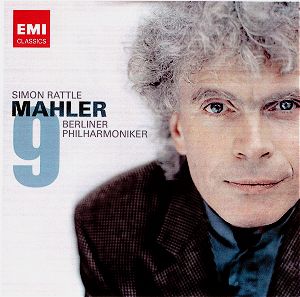 |
george1977 正式會員 218.xxx.xxx.240 |
2008-04-06 23:16 |
| [#8278] 卡拉揚最美好時代的見證 Orfeo也搭卡拉揚百年冥誕的列車,即將推出1955年6月25日。47歲的卡拉揚與維也納愛樂 (VPO)的貝多芬第九實況Mono錄音,這是卡拉揚最美好時代的見證,此時的他接掌柏林愛樂,聲望如日中天,是指揮台上最耀眼的明星,一個正處希望時期的指揮,在豪華獨唱陣容的搭配下,加上official source的CD化,精彩可期。  |
george1977 正式會員 203.xxx.xxx.94 |
2008-04-07 12:36 |
| [#8279] Mahler George, what a fascinating series of Mahler articles you posted, on performances that range from the sublime to the little known. the same description can be used for (Haenchen's 4th and 6th included) in this absurdly cheap set (if bought on the net, not in HK)...  |
doctorjohn 正式會員 12.xxx.xxx.253 |
2008-04-08 05:54 |
| [#8280] Mahler Doctorjohn Nice to know that you have a long vacation in Us now and enjoy a good time at concert halls. These articles are written by Tony Duggan who concisely and succinctly gave us an informative review on al lthe great works of Mahler, surely an indispensable reading for all Mahlerian freak and addicts! Thanks to CKM who update me the following link A synoptic survey by Tony Duggan http://www.musicweb-international.com/Mahler/index.html Edo de Waart will play Mahler Fourth Symphony again in 10th & 11th May again, but I guess you could not come back to attend. BTW, I recommend you to listen Rattle's new M9 which is quite revealing and infinite, he seem a bit ambitious to transcend the achievement of Herbert von Karajan in his 1981 recording!! George1977 |
george1977 正式會員 203.xxx.xxx.94 |
2008-04-08 14:35 |
| [#8281] 不要錯過的馬勒實況錄音 專門發行精彩實況錄音的Weitblick, 這回包括法國指揮家Georges Prêtre (1924- )客席維也納交響樂團 (Vienna Symphony Orchestra) 時,與該樂團合作的馬勒實況錄音,包括第五、第六號交響曲。這兩張新碟據說都被日本《唱片藝術》雜誌列為當月特選盤,馬勒迷不要錯過了。  |
george1977 正式會員 203.xxx.xxx.94 |
2008-04-08 15:01 |