兩聲道
CD機 | MD機 | SACD機 | DAC | CAS | 合拼擴音機 | 前級擴音機 | 後級擴音機 | 接線 | 喇叭線 | 揚聲器 | 耳機 | 耳機擴音機 | LP產品 | 膽機產品 | 開卷式錄音機 | 音響配件 | DIY音響 | 電源 | 家庭影院
電視機 | 投影機 | 錄影機 | DVD影碟機 | Blu-ray影碟機 | 多媒體播放器 | 機頂盒 | 多聲道擴音機 | 多聲道揚聲器 | 多聲道影音組合 | Mini音響組合 | 重低音揚聲器 | 輔助設備 | 同好會
同好會 | Accuphase | B&W | Burmester | Denon | Jadis | KEF | KRELL | Luxman | Marantz | Nuforce | OPPO | Pioneer | TEAC | WEISS | News
News | Blog | 其他
其他 | 所有 |
| 影音天地主旨 ﹝請按主旨作出回應﹞ 上頁 下頁 首頁 尾頁 | 寄件者 | 傳送日期
|
| [#9502] Glenn Gould 在Naxos Glenn Gould 在1956年6月20-29日灌錄的貝多芬最後三首鋼琴奏鳴曲,也收納進Naxos的歷史錄音系列裡,這是正規版權 (50年界限的專利權) 滿期最大的好處,Naxos提供了Sony以外,另一個收藏 Glenn Gould的 Budget Label.  |
george1977 正式會員 正式會員61.xxx.xxx.107 |
2008-12-24 17:15 | |
|
|
|||
| [#9503] 等待的理由@焦元溥/聯合晚報 焦元溥/聯合晚報 這半年在大英圖書館有聲資料庫當研究員,收穫很多是其一,其二則是見到釵h知名學者與作家。畢竟這裡是世界首屈一指的資料中心,倫敦又是表演藝術重鎮。關於任何音樂家演出,大英圖書館多少都有記錄。想寫音樂家傳記?這是一定要拜訪的寶庫。 有天下午,一位居於紐約,研究某鋼琴大師的專家,特來大英圖書館蒐集這位鋼琴家倫敦演出的曲目和樂評以做傳記參考之用。我還在台灣時,就曾經以電話和這位作家請教,在倫敦見面倒是意外。由於我對這位鋼琴家也十分喜愛,自然不忘關心傳記的進度——以這位作家對傳主的了解,以及和其家人的深厚交情,無論各種資料皆有第一手掌握,這本傳記必定豐富詳盡,能讓世人更加了解這傳奇人物的一生。 面對我的問題,出乎意料,作家竟然默然不語,只簡單說資料尚有不足,離出版還有一段時間,希望我能耐心等待。 「怎麼可能?」當他離開後,我問了也是鋼琴家研究者的有聲資料庫館長。「他有那麼多第一手資料,鋼琴家更早在半世紀前故去,該做能做的訪問也應當充足,為何他的傳記還不出版?」 「他在等」,館長直接點出原因。「在等他主要資料來源,也就是傳主兒子過世。」 做為傳記,真實是最高道德。這位鋼琴家晚年因嚴重酗酒而衍生各種問題,有些甚至不堪聞問。即使作者對傳主無限景仰,他也不能顛倒是非、曲意遮掩,必須誠實下筆。然而身為鋼琴家之子多年好友,他也實在不知要如何當後人之面,在傳記中細數其父晚年的淒涼與荒唐。當情理不能兩全,作家也只好等待。 「梅蘭芳之子看過電影《梅蘭芳》後非常感動,宣佈五十年之內不再授權任何人重拍父親生平。」光是這樣的消息,就可預知陳凱歌的《梅蘭芳》只能當成精美藝術創作欣賞,不能期待以記實角度在其中見到梅蘭芳與孟小冬的情海糾葛—那恐怕是五十年後才會出現的題材。戲如人生,真假互現,如果真實仍是華文傳記的最高道德(很大的「如果」),想認識真正的梅蘭芳,書本還是比電影可靠。 http://paper.udn.com/udnpaper/PIC0002/148207/web/  |
george1977 正式會員 61.xxx.xxx.107 |
2008-12-24 17:21 |
| [#9504] The Berlin Phil - live in your own front room * Kate Connolly in Berlin * The Guardian, Friday 19 December 2008 * Article history The Berlin Philharmonic has launched the world's first digital concert hall, which will broadcast its performances live on the internet and has the potential to widen the audience from a few hundred to millions around the world. Sir Simon Rattle, the Berlin Philharmonic's artistic director and chief conductor, said the orchestra's decision to broadcast most of its concerts as live video streams for a fee from next month was the "way of the future" for classical music. "It's a marvellous thing for both the orchestra and the public and it's a wonderful thing to be able to welcome far more people to the Philharmonie [concert hall]than before," he said. Under the slogan Any Place, Any Time, music lovers are being invited to take a front-row seat at the mustard-yellow concert hall from January at a cost of 9.99 (£9.50) for 48 hours' access, or 149 for a season of about 30 concerts. They will also be given access to an archive of previous performances. The project, which is being sponsored by a German bank, is the most comprehensive of its kind. It will start on 6 January with a performance of Brahms's 1st Symphony and other works. Music critics said it would help to secure classical music's place in the multimedia world. Olaf Maninger, the orchestra's principal cellist and the driving force behind the project, said that remote-controlled cameras and state of the art technology in the concert hall would ensure high quality transmissions. "Our primary concern is to ... record our concerts as authentically and vividly as possible," he said. Maninger dismissed fears that the digital concerts would discourage people from going to concerts, saying he expected the online audience would consist largely of people who were unable to visit the concert hall because of geographical or time constraints. "I'm fascinated by the idea of a music student in New York logging on with his laptop to see Anne-Sophie Mutter performing live from the Philharmonie in Berlin," he said. Tobias M闤ler, of Berlin Phil Media, which set up the project, said the orchestra hoped it would galvanise a whole new era for music lovers. "Until now, if a critic wrote a cracking review of a concert, it was usually too late for the reader to enjoy it, but internet users will now be able to retrieve live recordings from the archive," he said. Rattle, who has been with the orchestra since 2002, said that while his musicians were used to being in the spotlight, being filmed during every concert was something of a novelty. "We'll have to make sure we shave properly and powder our red noses," he said in a statement broadcast live on the internet. Although Rattle has been credited with encouraging the orchestra to embrace a wider audience and to shake off its elitist appeal, those behind the project said the digital concert hall was a natural continuation of work begun by the Berlin Philharmonic's legendary conductor, the late Herbert von Karajan. He was known for his obsession with technology, and constantly worked on improving the orchestra's sound, which resulted in the orchestra producing the first classical CD, the Alpine Symphony by Richard Strauss, in 1980. http://www.guardian.co.uk/music/2008/dec/19/berlin-philharmonic-internet |
george1977 正式會員 61.xxx.xxx.107 |
2008-12-24 17:28 |
| [#9505] Decca再版海頓交響曲全集錄音 Decca為了紀念海頓逝世200週年,再版了該唱片公司最傲人的海頓交響曲交響曲全集錄音,這是匈牙利指揮家Antal Dorati (1906-1988)在1969年到1972年間,所留下的曠世巨作,也是錄音史上第一套海頓交響曲全集,意義重大。與 Dorati 錄製這套唱片的Philharmonia Hungarica,該樂團是1956年匈牙利國內動盪後,流亡的匈牙利音樂家在維也納所組成,並於樂團的黃金時期完成海頓交響曲全部錄音的偉大事業,足以在錄音史上留名。  |
george1977 正式會員 218.xxx.xxx.227 |
2008-12-25 16:38 |
| [#9506] Filled With Associations, Harmonic and Otherwise By Allan Kozinn Published: December 23, 2008 The program Gloria Cheng played at Le Poisson Rouge on Monday evening was drawn from her most recent Telarc recording, a compilation of the complete (if slim) piano music of Esa-Pekka Salonen and Steven Stucky, along with a Lutoslawski rarity, the youthful Sonata (1934). But other threads bind the works as well. Ms. Cheng is friends with Mr. Salonen, who composed “Dichotomie” (2000) for her. Mr. Salonen, who as a conductor has been a champion of Mr. Stucky, persuaded Ms. Cheng to include Mr. Stucky’s “Four Album Leaves” (2002) on her disc. Mr. Stucky, who published a monograph on Lutoslawski, put her onto that composer’s Sonata. And as it turns out, the piano music of all three composers draws heavily on the harmonic language and textures of the French Impressionists. “When you play works by composers you know,” she said at the start of her set, “you see more in the music because you know the person; but you also see more in the person because you know the music.” Judging from her performances, what Ms. Cheng sees in Mr. Stucky’s music is a fluidity that lets him move easily between delicacy and assertiveness; serene, Debussian introspection and highly chromatic playfulness. In the 19th century, when “Album Leaf” was a common title, composers used it mainly for short trifles. Maybe Mr. Stucky thought of his four brief pieces that way, but Ms. Cheng wasn’t buying it: she played them as thoughtful, substantial meditations. Still, Mr. Salonen’s “Dichotomie” is a grander score, and she played it with an energy that said so. Its two movements are built of similar materials, but the first, “M嶰anisme,” uses a Bartokian rhythmic pointedness, cat-and-mouse chase figures and vigorous counterpoint to evoke a machine gone haywire, amusingly at times and dangerously at others. Its mirror image, “Organisme,” is in some ways as manic, but is couched in a Ravelian shimmer that makes its surfaces softer, even when its impulses are as weighty as those of its mechanical counterpart. Between the Stucky and Salonen works, Ms. Cheng gave a propulsive performance of the opening movement (an Allegro) of Lutoslawski’s Sonata — a tease perhaps, but sets at Le Poisson Rouge are on the short side (about 45 minutes). She shared the bill with Osso, a string quartet that plays contemporary works and indie rock and has recorded with the iconoclastic rock composer Sufjan Stevens. Its program was built of eight arrangements of Mr. Stevens’s instrumental pieces. At times — as in the brash power-chording at the center of “Enjoy Your Rabbit” — the quartet captured the spirit of Mr. Stevens’s version, if not quite the full crunch of the original’s electric guitars. Often, though, Osso’s readings took Mr. Stevens’s music to new places, with folkish hints of a Scottish dance or a Midwestern hoedown juxtaposed with vibrato-free chordal suggestions of a churchy harmonium, or the glassy whistle of artificial harmonics giving the impression of a squeaky calliope. Mr. Stevens’s own recordings prove he is an original. These performances showed his works to be sophisticated as well. http://www.nytimes.com/2008/12/24/arts/music/24osso.html?_r=1&ref=music  |
george1977 正式會員 61.xxx.xxx.107 |
2008-12-25 16:58 |
| [#9507] Tradition Lives, Changed but the Same By VIVIEN SCHWEITZER Published: December 23, 2008 Gossip and fashion magazines often feature pictures of the same dress, in couture and off-the-rack versions, worn by celebrities and ordinary mortals. Every year during an avalanche of holiday-season performances, Handel’s “Messiah” is also offered in contrasting garb: from elegant, bespoke professional versions to populist renditions in which everyone can hum along to “For unto us a child is born.” Since its 1742 premiere in Dublin, “Messiah” has sometimes been accessorized with plenty of bling. In 1883, for example, the conductor Michael Costa added crashing cymbals for a performance he led with 4,000 singers at the Crystal Palace in London. There are now many stylish performances to enjoy each year, like the annual offering by the Musica Sacra Chorus and Orchestra at Carnegie Hall, led by Kent Tritle on Monday. Mr. Tritle became music director of Musica Sacra after Richard Westenburg, its founding director, died of colon cancer in February. Mr. Tritle has been fully immersed in this “Messiah” season, recently leading the 200-member amateur Oratorio Society of New York (of which he is music director) and playing the organ with the New York Philharmonic in performances conducted by the Dutch early-music specialist Ton Koopman. Mr. Tritle’s performance on Monday with four strong soloists and the 32-member chorus of Musica Sacra (whose “Messiah” is billed as the longest-running by a professional chorus in New York City) was notable for its remarkable transparency, the crispness of the text (illuminated with sharply delineated syllables), elegant phrasing, fleeting tempos and lithe orchestral playing. There were no thundering choruses in this version, which at times almost sounded too restrained — although the sense of drama increased in the second and third parts. There was plenty of color within verses, however, like the contrast between the lightly rendered “For unto us a child is born” and the dramatic emphasis on “Wonderful, Counselor” later in the stanza. The soloists were well matched stylistically with the chorus and ensemble. The countertenor Jay Carter sang with a clear voice and improved throughout the evening. The bright-voiced soprano Jamet Pittman sounded lovely in “I know that my Redeemer liveth.” The tenor Philippe Castagner was commendable, as was the baritone Sidney Outlaw. Mr. Outlaw made the most impressive contributions, singing with a lyrical voice, crisp diction and dramatic conviction. http://www.nytimes.com/2008/12/24/arts/music/24sacr.html?ref=music Kent Tritle conducting the Musica Sacra Chorus and Orchestra in “Messiah” at Carnegie Hall  |
george1977 正式會員 61.xxx.xxx.107 |
2008-12-25 17:01 |
| [#9508] 水準還是差了一大截的馬勒二號 Valery Gergiev 的馬勒二號即將在明年上市,拿 Gergiev 此版與Abbado 的維也納愛樂版相比,水準還是差了一大截。  |
george1977 正式會員 61.xxx.xxx.107 |
2008-12-26 23:52 |
| [#9509] Blomstedt 在Decca的馬勒第二號交響曲 指揮家 Herbert Blomstedt (1927-)在1992年曾帶舊金山交響樂團 (SFO)錄過馬勒第二號交響曲,然後他的馬勒錄音就此劃上句點?和在Decca的錄音一樣都像稀有動物。 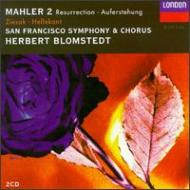 |
george1977 正式會員 61.xxx.xxx.107 |
2008-12-26 23:55 |
| [#9510] Obituary: Valentin Berlinsky The celebrated cellist was a renowned intrepreter of the works of Shostakovich and, as part of the Borodin Quartet, played everywhere from Stalin's funeral to sell-out US tours The name of Valentin Berlinsky, who has died aged 83, is a much less familiar one to western ears than that of another great Russian cellist, Mstislav Rostropovich. Yet Rostropovich, a long-term friend and colleague, would surely have been the first to admit that in his supremely cultured musicianship, his lifelong encouragement and support of the contemporary repertoire and his concern to pass on the beacon of his musical knowledge to a younger generation, Berlinsky deserves equal honours. These, in fact, were never in short supply in Berlinsky's native Russia. The significant celebrations marking his 70th and 75th and 80th birthdays coincided with the 50th, 55th and 60th anniversaries of the ensemble he helped to found – the Borodin Quartet – of which he had long been the sole remaining original member. Like many a Russian string player, his career was guided by a strong family background; born and brought up in the Siberian city of Irkutsk, at the age of seven he began his musical studies with his violinist father. Six years later he was enrolled as a student of cello in the central musical school of the Moscow Conservatory, and by the time he graduated in 1945, the quartet which was to become the most prestigious in the entire Soviet Union had already given its first performances. Under the supervision of an inspirational professor, Mikhail Terian, Berlinsky took his place as cellist alongside first violinist Rostislav Dubinsky, who stayed until the 1970s, and – as second violin and viola respectively – Nina and Rudolf Barshai. The naming of the quartet after the composer of the most beguiling specimens in the Russian repertoire, Alexander Borodin, followed a year later, when Berlinsky moved straight from study into teaching himself – a distinguished parallel career which he maintained until his death. In 1946, the Borodin Quartet began its vital association with a composer who had not long embarked on his voyage of discovery in the quartet medium, Dmitri Shostakovich; a memorable photograph from that year shows Berlinsky as a dreamy-eyed, shock-headed youth gathered with his fellow quartet members around the seated Shostakovich. Berlinsky was always anxious to make clear that Shostakovich's sense of honour made sure he gave the privilege of subsequent premieres to the senior Beethoven Quartet – "But we always presented the quartets to him before we played them in public, just to have his final blessing. He never spoke about the meaning – but we were 100% sure of what we were playing. It makes me smile when I hear many western quartets playing Shostakovich – they don't seem to have the slightest idea of what's beyond the notes they're playing." Berlinsky remained a mine of information about Shostakovich's corrections or decrees on work in progress (there is a splendid glimpse of his personality among the interviews of Elizabeth Wilson's Shostakovich: A Life Remembered). Genial and objective, while he insisted that Shostakovich's dry, fast and rather metronomic pianism had its limitations compared to Sviatoslav Richter, with whom he also played Shostakovich's Piano Quintet many times, he was always anxious to make known to the west just how even-handed the Borodins had been with other contemporary composers who were also their friends. The long list of their premieres includes works by Moisei Weinberg, Lev Knipper, Boris Tchaikovsky and Alfred Schnitke – whose First Quartet the Borodins recorded in 1967, only to meet with official opposition. Just as Berlinsky had partnered most of the great musicians among his contemporaries, so he continued to work as an equal with a younger generation – not least when, in 1996, the first violinist Ruben Aharonian and the viola-player Yegor Naidin, 46 years his junior, joined Berlinsky and Andrei Abramenkov, second violin since 1974. The cellist's 75th birthday week was marked not only by homages from students at the Gnessin Institute, Moscow, where he was teaching – alongside a whole host of all-dancing, reciting and singing tributes – but also by the flying visit of viola-player Yuri Bashmet, who, with cellist Stefan Metz, joined forces in a performance of Tchaikovsky's Souvenir de Florence, and by the daunting big-boned pianism of Berlinsky's own daughter, Ludmila Berlinskaya. The work in which she participated, Chausson's Concerto for Violin, Piano and String Quartet, was part of a programme that would have tested any chamber musician's stamina – it was followed by Shostakovich's Eleventh and Ninth Quartets - but Berlinsky ended this final concert of his birthday week in unshakable good humour. Needless to say, it was Berlinsky's long working association with Shostakovich that fascinated interviewers, virtually to the exclusion of all else; and western managements, finding to their surprise that Shostakovich quartets with the Borodins' imprimatur went well at the box office, tended to project the image of the quartet exclusively as Shostakovich interpreters. Their foreign tours had started as early as 1955, two years after they played at Stalin's funeral. Berlinsky's conviction and philosophical insight certainly helped to fuel the ultimate challenge – a cycle of Shostakovich and Beethoven quartets. Reaching the end of his rich life with apparent serenity, he was clear about the correspondences between the awe-inspiring final quartets of both composers: "With Beethoven. there's such a life assertion – it doesn't matter through what perils you have to go, the end is positive. Beethoven didn't want to die, but the end of life wasn't a tragedy for him, as it was for Shostakovich." After celebrating his 80th birthday while still a member of the ensemble, he gradually gave way to his pupil Vladimir Balshin, and stopped appearing in public in September 2007. For Berlinsky, each one of Shostakovich's quartets posed a tantalisingly different attitude to death. He was fascinated to learn that a last, 16th quartet had been projected: "For both Shostakovich and Beethoven, the creative laboratory of thought was never closed". There could be no better epitaph for Berlinsky himself. http://www.guardian.co.uk/music/2008/dec/19/obituary-berlinsky-cellist ----------------------------------------------- Wish him Rest in Peace!  |
george1977 正式會員 61.xxx.xxx.107 |
2008-12-27 07:10 |
| [#9511] 大提琴家柏林斯基辭世 享壽83 林采韻綜合外電報導 (20081227) 世界樂壇又一名家殞落!俄國鮑羅定絃樂四重奏創始團員、大提琴家柏林斯基(Valentin Berlinsky)十二月十五日在莫斯科去世,享年八十三歲。柏林斯基一生奉獻鮑羅定四重奏,一待就是六十二年,直到去年退休。在他帶領下,鮑羅定四重奏奠定地位,被視為蕭士塔高維契室內樂作品最佳詮釋者。 鮑羅定絃樂四重奏成立於一九四五年,當時的名稱是莫斯科音樂學院四重奏。大提琴手原訂是羅斯托波維奇,羅斯托波維奇因忙於其他事務,將棒子交給同班同學柏林斯基。四重奏創始團員還包括之後轉任指揮、多次來台指揮國家交響樂團的巴夏(Rudolf Barshai)。一九五五年四重奏更名,以俄國作曲家鮑羅定命名。 四重奏六十三年的團史當中,其餘聲部多次換人,只有柏林斯基堅若磐石始終如一,也是團體的精神人物。他歷經一九五三年四重奏在蘇聯領袖史達林及俄國作曲家普羅高菲夫的葬禮上演出,甚至有幸在作曲家蕭士塔高維契面前演奏他的作品。 鮑羅定絃樂四重奏詮釋貝多芬作品也十分有心得,柏林斯基曾分析貝多芬和蕭士塔高維契的共通性:「貝多芬對於生命有釵h堅持,無論中間經過多少掙扎,最終結果是正面的,貝多芬不想死,但是死對他來說並非悲劇,蕭士塔高維契也一樣。」 http://news.chinatimes.com/Chinatimes/newscontent/newscontent-artnews/0,3457,112008122700042+110513+20081227+news,00.html  |
george1977 正式會員 61.xxx.xxx.107 |
2008-12-27 07:13 |
| [#9512] 佛羅倫斯的回憶 @ 一直很喜歡杜賓斯基的琴音, 五零年代鮑羅定四重奏團在他領軍下成立, 所演奏俄羅斯曲目, 一直是這個領域的標竿錄音. 七零年代杜賓斯基投奔自由, 在西方另組鮑羅定三重奏, (後來所錄的舒伯特三重奏極優), 留在鐵幕裡的搭擋, 另尋來年輕的 Mikhail Kopelman 取代第一小提琴手, 經過長久磨合, 走出完全不同的風格. 和五零年代相比, 九零年代的團員只剩下中提琴手, 和大提琴手維持原來陣容, 四十年一路走來也算不易. 到了現在西元 2005 年, 該團現在是什麼狀況 ? 咳, 不知道. 關於古典音樂的時事, 大羅的記憶停格在幾年前古典音樂雜誌停刊的那一天. 而那一天, 是台灣的古典樂友都該掉眼痕漱@天. It's the day when music died. 佛羅倫斯的回憶, 柴可夫斯基的絃樂六重奏作品, 很純粹, 就是好聽, 第二樂章帶著民謠風的吟唱, 伴著長段落的撥奏, 感覺挺美的. 鮑羅定四重奏團於五零年代, 在杜賓斯基的時代, 留有此曲錄音, 為湊足六重奏樂手, 另請來羅斯卓波維奇來搭檔. 此版因有羅氏而名重一時. 這個時期的風格很直接粗獷, 速度上比較彈性, 杜賓斯基的表情比較突出. 九零年代, 也就是上面貼圖這次的版本, 找來的搭檔雖沒有羅斯卓波維奇那麼出名, 整體卻有種水乳交融的合諧感. 另外, 該團在 EMI 也有另一次的版本, 是和著名中提琴手貝釵怉S合作. 不知詮釋如何. http://cgi.blog.roodo.com/trackback/273233  |
george1977 正式會員 61.xxx.xxx.107 |
2008-12-27 07:22 |
| [#9513] Daniel Barenboim 榮膺2009年新年音樂會指揮 榮膺2009年新年音樂會指揮重任的是指揮家 Daniel Barenboim,音樂會將於維也納當地時間1月1日上午11時展開。  |
george1977 正式會員 61.xxx.xxx.107 |
2008-12-27 07:30 |
| [#9514] 不可思議的發燒三重奏 不可思議的發燒三重奏 提起鋼琴三重奏,指的就是鋼琴、小提琴、大提琴三種樂器的室內樂組合,在開始介紹波希米亞兩位台柱作曲家,德弗札克以及史麥塔納兩人的鋼琴三重奏以前,我們先來簡單地了解一下鋼琴三重奏發展的歷史。 在海頓之前的作曲家所寫的三重奏主要是弦樂三重奏,海頓雖然寫有不少鋼琴三重奏,但主要是以鋼琴為主導酬庸應付之作,因此數量有於質感不足。而莫札特才算是真正將鋼琴三重奏發揚光大的人,他的七首鋼琴三重奏可以說是曲曲動聽,三種樂器都有均衡精采的發揮。至於貝多芬則在鋼琴三重奏上扮演著改革的角色,他將樂章的數量從三增加到四,其中更包含了知名的「大公三重奏」。舒伯特的鋼琴三重奏只有兩闕但卻量少質精,其中D989作品99更被譽為貝多芬之後最偉大的鋼琴三重奏。至於孟德爾頌、舒曼、布拉姆斯也都是重要的鋼琴三重奏作曲家,為鋼琴三重奏開啟了璀璨的一頁! 當德奧作曲家們為鋼琴三重奏奠下完備基礎之後,波希米亞的兩大台柱史麥塔納以及德弗札克也對鋼琴三重奏展現的高度興趣。史麥塔納唯一的一首鋼琴三重奏G小調作品15,是在他喪女之痛後所寫,因此全曲充滿悲傷的基調,同時作品上受到貝多芬鋼琴三重奏相當深遠的影響。他的室內樂作品不多,但是每一曲都相當深刻且充滿著標題性,直接地表露自己內心的豐富情感。至於,德弗札克則是寫有多達三十二首的室內樂,其中鋼琴三重奏就有四首,而最知名的就屬E小調作品90的「悲歌」(Dumky),可以說是他室內樂作品中最獨特的一首。此曲在形式結構上超越德奧貝多芬、布拉姆斯的四樂章限制,在情感上又融入濃烈的斯拉夫民族色彩,因此可以說是超越過去的劃時代鋼琴三重奏。 而這一回我們要推薦的這張唱片真的相當不易,因為史麥塔納以及德弗札克的鋼琴三重奏版本,我早已不知聽過凡幾,但是就是沒聽過錄音如此甜美清新、詮釋這樣精湛入味的表現。所以儘管本片有可能已經在唱片市場絕版,但我還是要推薦給您,讓愛樂者可以好好地尋寶一番。 演出的團體鮑羅定鋼琴三重奏團(The Borodin Trio)並不是以演奏鮑羅定聞名的樂團,他們的團名有另一個由來。該團1976年在蘇聯成立,小提琴手Rosislav Dubinsky是知名的鮑羅定弦樂四重奏的第一小提琴手以及創立者,所以當他成立另一個三重奏團時就沿用作曲家鮑羅定的名字,同時表明樂團本身的俄國血統。而女鋼琴家Luba Edlina則是Rosislav Dubinsky莫斯科音樂院的同學,她與鮑羅定四重奏有長達二十年的合作關係,因此與Rosislav Dubinsky自然不在話下。大提琴家Yuli Turovsky也同樣畢業於莫斯科音樂院,他是加拿大新室內管絃樂團、蒙特婁愛樂的音樂總監與指揮,是為獨奏、合奏、指揮事業並進的高手,他精湛的演出甚至成為鮑羅定三重奏的台柱。 鮑羅定三重奏團主要都在Chandos錄音,貝多芬、布拉姆斯、孟德爾頌、拉赫曼尼諾夫、舒伯特、柴可夫斯基等作品全都錄過,像是他們的布拉姆斯、舒伯特鋼琴三重奏我就極力推崇!不過在這些Chandos錄音中,很明顯的這張史麥塔納與德弗札克錄音,又遠遠勝過其他的錄音,真正的原因何在我並不十分清楚,但是從內頁解說可以發現這張史麥塔納與德弗札克的錄音地點,與其他張並不一樣。 而這張錄音到底好在哪裡呢?首先是三種樂器的定位感,一種安定具規模的音場,樂器間的聲音彼此有著充分的聯繫但卻又各自清晰。其次是樂器所發出的聲音質感,尤其是弦樂器的琴弓弓毛與弦的摩擦感,不僅真實而且高貴,散發出充滿音樂性的表情。更精準地說,幾乎從來沒有聽過這樣的鋼琴三重奏錄音,小提琴的聲音有一股說不出來的甜美新鮮感,就像是清晨直接從樹上摘下來的富士蘋果一般;而大提琴則是飽實深情,幾段獨奏都聽得人起雞皮疙瘩,Yuli Turovsky的大提琴演出我在台北看過一回,當時坐在第一排可以發現他的琴身有裂紋,但琴所發出的聲音卻是高貴一流的。Yuli Turovsky的琴音比較偏向杜普蕾那樣的熱情煽動,與早期馬友友、羅斯托波維契的比較不同。 而鋼琴方面也是超水準的表現,低音的共鳴感十足、高音的清澈度極佳。以德弗札克鋼琴三重奏「悲歌」的第二樂章為例,一開始就呈現了優美的和音,大提琴漂亮深情地拉奏者,鋼琴以極優的默契襯托著氣氛,樂手與樂手間彼此不會搶著表現。在一片寧靜中,弦樂器得以充分發揮聲音透明富質感的特色,同時細細表現作曲家所要表達的歌唱性十足旋律。因此,除了樂器質感、錄音水準之外,我最訝異的是三人的默契,這要的水準遠勝過多數三位大牌在一起的三重奏演出,更是釵h凡夫俗子排練五十年也無法達到的境界。 至於本片收錄的第二曲史麥塔納鋼琴三重奏,在小提琴聲音質感上就比第一曲的德弗札克稍差一些,不過這只是相當「細微」的差距,大體上而言依然保有原來的水準。特別是在雙弦拉奏上,錄音的優異可以明顯察覺,演奏者在兩個音符上面所呈現的音量均衡、呼吸平順,若是普通錄音恐怕老早破央C另外,大動態、大音量時表現出來的厚實感以及力道充沛,讓聽者相當過癮!尤其大提琴家Yuli Turovsky的表現彷彿他就是主角一般,他那充滿抒情感的演奏法令人難以忘懷,不過可別誤會我說他搶走兩人風采,再默契上三個人絕對是平等的,只不過 Yuli Turovsky的表現實在太傑出、太美了! 理論上說來,這樣的兩套曲目幾乎不可能出現發燒片,不過Chandos與鮑羅定三重奏團做到了,您府上的CD架上更是不能少了這一片! http://mychannel.pchome.com.tw/channel/class/show_preview.php3/?d=2003-09-06&enname=musicdaily&t=.htm&fn=main&view=1  |
george1977 正式會員 61.xxx.xxx.107 |
2008-12-27 07:38 |
| [#9515] 弦樂四重奏名曲推介 眾多樂器當中,是什麼因素使4位演奏者的演奏形式成為室內樂重心?「四重奏」在兩把小提琴、中提琴、以及大提琴的相互輝映下,不論是音色、或是音樂表現,具有恰到好處的飽滿與豐富。正如達文西在米蘭的畫作《最後的晚嚏n中耶穌的12個門徒,達文西以4個3人組合,分置於耶穌左右,位置有高有低,達成互相平衡,並且不失每個人的獨特性,就像「四重奏」4把弦樂器之間的充沛展現,協調唱和的道理是一樣的。 「四」或閉O人類潛在認定的一種象徵,從大自然的角度來思考,1年有「春」、「夏」、「秋」、「冬」的四季輪替;萬物由4種元素「氮」、「氧」、「氫」、「碳」組成;星座依特性分類為「水」、「火」、「土」、「風」;包括人的情緒也有「喜」、「怒」、「哀」、「樂」4種,讓人難以否認「四」的絕妙組成。 從字面上來說,任何4種樂器的組合都稱為「四重奏」,以弦樂器組成的「弦樂四重奏」為代表。發展於18世紀後半葉的「弦樂四重奏」,海頓率先在結構上採用精鍊的奏鳴曲式,使曲中各樂器間保持美妙的平衡,樹立獨特風格,因而被尊稱為「弦樂四重奏之父」。繼海頓之後,莫札特受到海頓「俄羅斯弦樂四重奏」刺激而開啟創作靈感,學會了弦樂四重奏的新作法,一生共寫作20多首弦樂四重奏。接著由最後一位古典主義者貝多芬,將之轉換為自己表達內心情緒的工具,將其帶上了巔峰,使後代作曲家重新定位弦樂四重奏的重要性,也拓展了我們聆聽室內樂的聽覺經驗。 貝多芬F大調弦樂四重奏OP.135 貝多芬一生中共留下17首弦樂四重奏,雖然受到海頓和莫札特影響,但在初期創作已流露自己特有性格。弦樂四重奏在他手裡顯示輝煌的成就,成為室內樂演奏形式中最重要的組合,使之堪與交響曲相提並論。後來的作曲家舉凡舒伯特、舒曼、布拉姆斯等都無法跳脫貝多芬的影響。 貝多芬的弦樂四重奏在音樂史上被視為最偉大的室內樂作品,尤其是後期的作品,跳脫早期貴族式典雅的純音樂表現,轉為更直接的強烈情感,流露心靈深處的心聲。有人說,最容易表達貝多芬心思的樂器,首推鋼琴,但如果要表達貝多芬對人生的微妙見解,則只有弦樂四重奏才能勝任。 Op.135完成於1826年,貝多芬在這一年忙於創作非探究性,更具娛樂性的音樂,新奇獨特的Op.135即是其中傑作。 Op.135 在整體結構上跳脫以往巨大的結構偏好,轉為精緻緊湊的4個樂章,比起貝多芬其它四重奏,此曲長度明顯縮短釵h。對此,貝多芬的朋友們無不對此感到近乎失望的訝異,畢竟他向來以創作巨大形式著稱,已成為樂迷所期待的形式。突如其來風格變化帶來的震驚,持續至20世紀仍飽受後代學者和樂評家討論,認為貝多芬刻意放棄龐大形式,試圖以精緻、明亮乾淨、風趣又溫和的方式表示對抗過去與未來,除了慢板樂章,過去常見莊嚴的、一本正經的風格已不復見,不知是否預知這將是自己最後的創作,而大膽地向世人開了個玩笑。事實上,我們都知道貝多芬在世的最後1年深受孤獨與疾病所苦,這或閉O他再次不向命運低頭,瀟灑看待人世的智慧表現。曲中第一樂章確實帶有嘲弄的感情色彩,冗長的主題由支吾其辭的問句和答句組成;第二樂章如玩笑般輕盈而直接的進行著,引人會心一笑;進入寧靜如歌的慢板第三樂章由大提琴奏出無裝飾的旋律,小提琴以卡農式對應著,引領入全神貫注的冥想,貝多芬形容此樂章為沉 靜、祥和而甜美的短歌。而最令人津津樂道的則屬帶有標題:「難以做出的決定」(Der schwer gefasste Entschluss)的終樂章。 貝多芬喜歡在樂譜手稿中以文字寫下內在省思的過程或結果,例如第九號「合唱」交響曲的最後樂章,貝多芬在總譜上親註「否!」字,大提琴和低音提琴的宣敘調交替出現,堅定地狂喊深思過後的結果「否!」。類似情況同樣出現在這首四重奏手稿中,兩個主題旋律下方註記有幾個文字,像是為音符填上歌詞。首先出現「一定是這樣嗎?」(Muss es sein?),彷彿紀錄自己內心的掙扎與戰鬥歷程,和弦一本正經地緩慢進行著,嚴肅而莊重地思考問題,直到進入活潑的快板主題回應著「它必定是」(Es muss sein)。透露經過省思後的堅定信念,並將終樂章標上「難以做出的決定」標題。若是欲仿效貝多芬慢板樂章的莊嚴與深刻意義,Op.135的終樂章絕對具有挑戰性。 以詮釋德奧曲目著稱的「阿班貝爾格四重奏團」演奏貝多芬四重奏有著犀利的精確性,「精確性」是演奏古典曲目的重要技巧,舉凡節奏、音準、音色、音節、樂句等,唯有建立在十分精準的演奏技巧之上,才能使音樂散發光芒。「阿班貝爾格四重奏團」的演奏超越聽眾的期待,因為他們的「精確性」不但沒有流入僵化的機械模式,反而詮釋出強烈的現代感,他們所詮釋的音樂有著令人耳目一新的聲音。 鮑羅定 第二號弦樂四重奏 第三樂章「夜曲」 屬於俄羅斯國民樂派「五人組」成員之一的鮑羅定,原是聖彼得堡醫科大學的化學權威,29歲那年遇到巴拉基列夫(Balakirev),巴氏是熱誠的俄國民族音樂鼓吹者,在巴氏和其他5人組成員鼓勵下,鮑羅定才又恢復作曲。作品雖然不多,不過也留下如歌劇「伊果王子」等國民樂派的傑作。他的兩首弦樂四重奏作於1874至1879年以及1881年,分別獻給林姆斯基·高沙可夫的夫人,以及他自己的妻子。在A大調第一號第一樂章的第一主題中,他借用了貝多芬的第十三號弦樂四重奏Op.130終樂章發展部的主題,可見其對古典傳統的遵循和前輩的敬畏。比較向國民樂派領域靠攏的第二號,因為旋律優美而受到世人高度喜愛。 第一號弦樂四重奏鮑羅定花了5年時間才完成,第二號則在數週內完成,源源不絕的靈感止不住地流洩,使得第二號聽起來更具扣人心弦的緊湊與流暢效果。 這首作品是19世紀古典形式和俄國式曲調的混合,第一、第二、以及第四樂章皆為奏鳴曲式,但不失敏感細膩的旋律鋪陳,充滿濃郁的異國情調,是公認的天生旋律家。最受世人喜愛的第三樂章「夜曲」以變奏曲式取代其他樂章的奏鳴曲式,為整首四重奏增添新意,同時符合自莫札特以來的慢板樂章風格。鮑羅定將「夜曲」樂章獻給愛妻,旋律溫馨甜蜜,從頭至尾流露對妻子濃濃的愛意,是極其優美的抒情樂章。此段主題旋律廣受喜愛和使用,舉凡電影「黎明生機」,或是音樂劇「Kismet」中的歌曲「And this is my Beloved」皆改編自此,整個樂章也經常單獨以小提琴演奏,或是改編為管弦樂版本出現在音樂會曲目。 柴科夫斯基 第一號弦樂四重奏 第二樂章「如歌的行板」 同樣身為俄國音樂家,柴科夫斯基的音樂除了優美動人外,還多了悲傷色彩,他素以交織甜美與哀傷的優美旋律著稱,「如歌的行板」正是表現此特性的名曲,如此優美的曲調,世上並不多見,就連俄國大文豪托爾斯泰聽到這如泣如訴,哀怨纏綿的曲調,也感動得熱痊梐窗A並說:「這音樂碰觸到苦難民眾的靈魂深處」。第一號弦樂四重奏因為有這個著名樂章,才特別受到愛樂者注目。而這段著名的旋律據說是1869年,柴科夫斯基在烏克蘭妹妹家停留時,聽到一位油漆匠口中吹哨此旋律,深深被打動,探詢之下得知是烏克蘭當地民謠,訴說專制統治下人民的悲苦之情。 「如歌的行板」由兩個主題交替反覆而成,第一主題由加上弱音器的小提琴幽怨唱出,聲音固然微弱,卻令人難以忽略,在尚未來得及思考之時,音樂已悄悄竄入心裡最深處,撥弄著心弦,曾經有多少熱畢魊H音樂潸然落下。在寧靜的切分音過門,醞釀出更深刻的情感,由小提琴領進較為激昂的第二主題,更強烈展現情感,努力訴說著不易被暸解的心事。 想要感動別人,必須先感動自己,是柴科夫斯基以第一號弦樂四重奏為傲的原因,他認為這是自己最優秀的一首作品,他在晚年時寫下:「如果說我的一生裡,有真正充滿感情,且從我內心湧起欲念而作的曲子,那便是這首四重奏的第二樂章。」 巴伯 第一號弦樂四重奏Op.11 第二樂章「慢板」 第一號弦樂四重奏的「慢板」樂章,是巴伯最著名的創作,目前經常聽到的弦樂團演奏版本為作曲家親自改編,於1938年由小提琴大師托斯卡尼尼指揮NBC交響樂團在紐約輝煌首演。這是兩人的第一次合作,然而,兩位音樂家在確定合作前曾有段趣味的過程。 美國作曲家巴伯(Samuel Barber)因獲得普立茲旅行獎金及美國羅馬大獎,得以在1930代赴歐遊歷,受到歐洲獨有的藝術氣息感染,而啟發創作靈感,該樂章即是完成於此期間,其他樂章則直到1936年才完成。 對於這首成品深具信心的巴伯,於1938年將樂譜寄給當時享負盛名的小提琴大師托斯卡尼尼,期待「托斯卡尼尼效應」也能夠像當年拉抬瓜奈里提琴名聲般,發揮在自己作品上。不料,毛遂自薦的結果不如預期,得到的竟是大師冷漠的回應,沒有留下隻字片語,原封不動地將樂譜寄還給作曲家。面對如此窘境,巴伯懊惱不解,不久後,大師請友人捎來口信,告知將演奏這闕傑作,作曲家才恍然大悟,原來記憶力過人的大師不只欣賞他的作品,早在樂譜寄回以前已將樂譜留記腦中。 當小提琴自由流暢,綿長不絕地行進,張力立即可見,緊扣人心思,帶給人深刻回味,難以從中抽離。中提琴不動聲色地將主題從第一小提琴中接手過來進行一段主題的變奏後,由大提琴繼續奏出女中音般豐厚飽滿的主題旋律;接下來齊聲逐漸往上攀升的音列,到達最高音後突然陷入一片寂靜;情緒在那一刻被推至最高點後,在無預警情況下瞬間蒸發;那短暫的靜止片刻,引發五味雜陳的情緒,也閉O傷感、也閉O悲嘆、也閉O淡淡的遺憾;待片刻靜止後,出現短小的和弦輕聲而悲傷地作結;就像在慘烈的戰爭電影「前進高棉」中配上此樂,戲劇性張力留給人印象深刻;整個樂章在主旋律的5個音符緩緩再現過後悄然劃下句點,留下無限空嘆。 ●李明蒨 鋼琴家、作家、海洋大學兼任講師。德國海德堡音樂暨表演藝術大學音樂教育碩 士、鋼琴演奏碩士。著有:鋼琴演奏的理論與實際、德國晃蕩學琴簿、琴鍵上的 咖啡館。 |
george1977 正式會員 61.xxx.xxx.107 |
2008-12-27 07:40 |
| [#9516] 完美無暇的聲學共鳴@劉仁陽 專欄【劉仁陽談唱片】完美無暇的聲學共鳴 「探戈」(Tango)對一般人來說可能是個阿根廷音樂的代表名詞,或者是國際標準舞的一種舞步形式;但事實上,「探戈」很可能是源自非洲的語言,意思是「一個跳舞的地方」,這樣的樂風來自烏拉圭、巴西的古樂曲,透過義大利人、西班牙人、德國人等各地的歐洲人帶到阿根廷,1900年才在布宜諾斯艾利斯興起,從廣義的程度來說,「探戈」是個文化演進的語詞。 這張M.A.所灌錄、韻順代理發行的「探戈-發燒天碟」,還真的是一張難得的參考級錄音。封面上除了照片之外,打有Sera Una Noche的字樣,雖然我不知道其真正意思,但我卻知道那並不是專輯名稱,而是灌錄這張專輯的團體名稱。Sera Una Noche是專為這張錄音所組成的六人團體(團員名字也都在封面上),雖然他們都算是M.A.的樂手,但卻因為彼此的事務都非常繁忙,因此彌足珍貴地「僅此一次」合作。同時他們並不演奏現場,意味著注重錄音所呈現的完美氛圍與效果的美學概念。 Sera Una Noche的六名成員分別是,團長暨敲擊樂手Santiago Vazquez、吉他手Gabriel Kirscherbaum、大提琴手Martin Iannaccone、豎笛暨直笛手Marcelo Moguilevsky、手風琴手Gabriel Rivano、主唱暨響板手Pedro Aznar。該團所採用的樂器都是自然發聲(Acoustic),而沒有使用電子樂器;雖然團長Santiago Vazquez自己也融合插電與不插電音樂的創作,但是對M.A.唱片公司來說卻不傾向這樣的製作,M.A.喜歡在自然樂器的聲音中去找出音色、量感的平衡。 這裡的探戈不僅僅是狹義的阿根廷舞曲,同時更廣義地被詮釋成,融合西班牙、義大利、法國等風情的歐洲民謠舞曲,透過別出心裁的重新編曲,讓這些探戈有著新世紀的語言,慧擷、機智、流暢、新潮、精緻,散發著一股難以言諭的魅力。音樂一開始就充滿一股迷人的異國風味,在充滿空間共鳴感的氛圍裡,我們可以聽到本片音場的充實飽滿,也就是因為極佳的空間共鳴以及精準無誤的收錄,吉他、豎笛、人聲、手風琴甚至是鼓聲,在此都有富彈性與質感的呈現,逼真度遠遠勝過絕大多數的錄音。因此,儘管樂器的配置相當特殊,但是合奏的聲音聽來卻是那樣和諧,六人團的組合沒有絲毫的不悅耳,不單指音樂上的和諧,而是包括聲學共鳴上的和諧都兼顧到了。 聆聽本片時,音量稍稍開大一些無妨,可以更明顯地感受到樂器本身的共鳴美感。像是第二首的低音豎笛,吹奏時管身的共鳴感聲音非常漂亮,細膩之處可以聽到吹奏者的吐氣聲、手指的按鍵聲,還可以感受到管身共鳴向下延伸的和諧感;還有吉他彈撥以及琴板的共鳴,再加上歌者深情緩慢地唱和,充滿磁性質感的嗓音氣氛十足,悲涼無奈中依然深情浪漫。充滿創意的配器聽來非常有意思,精準點描卻不輕浮,留白很多卻呈現一種深遂之感,呈現出有別於熱情激動的另一種南美音樂風情,呈現相當深沉的音樂鋪陳。 第七首大提琴的撥奏配上吉他的撥奏,兩種絃樂器呈現一種親暱冷靜的彈撥對話,就連爵士樂的「酷派」大師都沒有這樣充滿酷勁的演出。三分鐘之處,音樂間歇停下的地方,可以聽到很深的音場傳來鼓刷敲擊的細微聲音,想要檢視府上的音場深度這段是很好的鏡子。隨後而來的鼓聲也相當低沉,加入大提琴與吉他的撥奏對話中,感傷且深刻。 第八首的音樂配器主要都在中低音域,大提琴、鼓聲以及低音豎笛,再加上迴響良好的鑼聲,檢視音響系統的中低音域飽滿度,以及整體的音域平衡性。像這樣的段落必須聽來平順溫暖,沒有一點吵雜毛躁,低部堅實穩固、音域上層靈巧飄逸。然而,這樣的境界說來容易,處理起來卻相當困難,首先錄音就要夠好,其次音響的調整也要達到爐火純青的地步,畢竟「好聲」是費盡千辛萬苦才求得來的。 第九首曲子就有較濃的探戈味道,直笛的吹奏還彷彿有南美安地斯山脈的況味,音樂顯得輕鬆活潑。直笛、吉他、手鼓輪番上陣展現輕盈快活的一面,三者之間其實有相當緊密且細膩的節奏關係,而且是越來越趨向激烈快速,但是直笛以及吉他的演奏者在音樂奔向高潮時,依舊保持著起初的輕鬆快活氛圍,讓聽者忍不住地想要拍手叫好,Ole!手風琴在探戈音樂中一向都有極為吃重的演出,在這張專輯裡頭當然也不例外,手風琴演奏者Gabriel Rivano的演奏技術相當不賴,幾乎可以稱他為「超技手風琴大師」,他可以與吉他快速彈撥對尬,展現出快速探戈的生猛活力,讓樂迷知道探戈音樂不是永遠都那樣萎靡不振,也有活跳跳、強強滾的時候。 這張錄音的每一首作品,無論演奏曲與演唱曲均優,人聲能夠緊密地結合器樂,鋪陳出音樂最大的張力;而器樂與器樂之間更是和諧共鳴、聲息相通,幾乎可以說是達到一種完美無暇的聲學共鳴!M.A.的錄音向來就相當發燒,不僅空間極佳而且定位準確、音色真實,除了製作理念的堅持之外,在錄音技術以及器材的使用上他們也有牢不可破的堅持,以維持他們認為的「好聲」水平。本片錄音時所使用的錄音器材,CD內頁指出麥克風採用一對B&K 4006、麥克風線則用發燒級的Cardas線,錄音機則是Pionner D-07A 96kHz高取樣的DAT。 這張唱片感人的音樂讓我的腦子不由自主地思考起來,發燒級的錄音讓這股思考更加清晰,腦海中浮現兩點啟示:一來突破樂迷對探戈的刻板印象,二來這樣極具原創性的概念專輯也有如此強烈的「發燒」特質。看樣子發燒友日後對M.A.唱片公司的製作,絕對要行高度的注目禮才可以。 http://mychannel.com.tw/channel/class/class_paper_open.htm?d=2003-06-14&e=musicdaily&t=.htm&j=37&f=main&v=1  |
george1977 正式會員 61.xxx.xxx.107 |
2008-12-27 08:59 |
| [#9517] GRAMOPHONE to give away I have the following to give away: --about 60 issues of (UK) Gramophone, from 1995-2004 that I would like to give away. Also a few issues of American Record Guide. -->20 Gramophone sampler CDs Absolutely FREE, but you have to come to get it. If interested, please PM me.  |
doctorjohn 正式會員 218.xxx.xxx.180 |
2008-12-27 09:57 |
| [#9518] 早期的 Emil Gilels 錄音集 Naxos發行的「Great Pianist」系列中,推出 Emil Gilels的早期錄音集(Early Recordings,1935-1951)第一輯。也就是說,這一系列專輯裡,將記錄19歲到35歲年輕 Gilels 的重要錄音,裡頭包括他中壯年,甚至晚年已不再詮釋的曲目。  |
george1977 正式會員 61.xxx.xxx.107 |
2008-12-28 14:38 |
| [#9519] Youra Guller 的傳奇錄音 樂迷對菊勒(Youra Guller,1895-1980)最熟悉的CD,應該是她1975年為Nimbus灌錄的晚年鍾愛作品,及1973為Erato灌錄的兩首貝多芬晚期奏鳴曲(Op.110及Op.111),如今有她1950年代的蕭邦錄音,按理來講,鋼琴迷不應該錯過。 傳說中的女鋼琴家尤拉•菊勒在1950年中期,錄製了的蕭邦《夜曲》集。12歲的菊勒以第一名的優異成績,畢業於巴黎音樂院。當時 Clara Haskil 據說是她的競爭對手。菊勒本身是猶太籍,因此在二次世界大戰期間躲避納粹迫害,一度暫別演奏舞台。  |
george1977 正式會員 61.xxx.xxx.107 |
2008-12-28 14:53 |
| [#9520] 九月即景@frankbach 史特勞斯在二次大戰時參與納粹的文化工作,戰後為了避免被當成戰犯審判,不得不於 1945 年移居瑞士,戰爭讓老作曲家心灰意冷,移居瑞士後也懶的創作了,直到他過世前一年才迴光返照,先後完成了《在薄暮中》(Im Abendrot)、《春》(Frhling)、《入睡時刻》(Beim Schlafengehen)、與《九月即景》等四首為女高音和管絃樂團演出的歌曲,史特勞斯死後,他的家人以《最後四首歌》(Vier Letzte Lieder)為標題發表這些傑作。 《最後四首歌》被認為是史特勞斯最重要的聲樂作品之一,也是這類型作品的典範,晚年的史特勞斯一反年輕時的浮誇,這幾首作品顯的誠懇真摯,充滿感情。其中我最愛的是《九月即景》,這首曲子巧妙應對了赫塞的詩文,彷彿一幅水彩畫,色彩清柔細膩,旋律由不斷含蓄轉變的和聲發展出來,美不勝收。 女高音舒娃茲柯芙(Elisabeth Schwarzkopf)、指揮家塞爾(George Szell)與柏林廣播交響樂團在1966年的錄音,是我心目中《九月即景》首選,舒娃茲柯芙唱得純淨高雅、雍容華貴,儘管她那較為細柔的歌聲,不一定能表現到最完美,但情感上毫無疑問的無比真摯。 http://blog.yam.com/frankbach&page=2  |
george1977 正式會員 61.xxx.xxx.107 |
2008-12-28 14:56 |
| [#9521] 音樂的哲學與醫學 前些時日有兩本關於音樂翻譯新書發行,一是《孤獨的聆賞者》(Music and the Mind),一是《腦袋裝了2000出歌劇的人》(Musicophilia:Tales of Music and the Brain)。顧名思義,《孤獨的聆賞者》講的是音樂聆賞的心,《腦袋裝了2000出歌劇的人》談論跟音樂相關的腦,心是哲學,腦是醫學,換句話說,《孤獨的聆賞者》是本音樂哲學著作,《腦袋裝了2000出歌劇的人》則是關於音樂的醫學研究報告。 《孤獨的聆賞者》作者Anthony Storr為英國著名精神醫學權威,整本書的結論只有一句話:音樂是心靈的良藥。當然,他還是從音樂聆賞的起緣開始探討,其中關於哲學巨擘叔本華與尼采對音樂的哲思著墨頗多,逐步印證音樂對心靈的重要性。由於時代不同,今日的音樂聆賞者有音響等播音工具輔助,不像過去的聆賞者必需要親炙演奏現場才得以聽到音樂,然而相對的,今日聆賞者也相對孤獨,這在本書中也做了探討。 Frankbach http://blog.yam.com/frankbach&page=2  |
george1977 正式會員 61.xxx.xxx.107 |
2008-12-28 14:59 |