兩聲道
CD機 | MD機 | SACD機 | DAC | CAS | 合拼擴音機 | 前級擴音機 | 後級擴音機 | 接線 | 喇叭線 | 揚聲器 | 耳機 | 耳機擴音機 | LP產品 | 膽機產品 | 開卷式錄音機 | 音響配件 | DIY音響 | 電源 | 家庭影院
電視機 | 投影機 | 錄影機 | DVD影碟機 | Blu-ray影碟機 | 多媒體播放器 | 機頂盒 | 多聲道擴音機 | 多聲道揚聲器 | 多聲道影音組合 | Mini音響組合 | 重低音揚聲器 | 輔助設備 | 同好會
同好會 | Accuphase | B&W | Burmester | Denon | Jadis | KEF | KRELL | Luxman | Marantz | Nuforce | OPPO | Pioneer | TEAC | WEISS | News
News | Blog | 其他
其他 | 所有 |
| 影音天地主旨 ﹝請按主旨作出回應﹞ 上頁 下頁 首頁 尾頁 | 寄件者 | 傳送日期
|
| [#9622] 40歲以下的指揮-我們世代的Wunderkind(二) 5.Edward Gardner 出生年份:1975 目前擔任最高職位:英國國家歌劇院總監 2006年,英國國家歌劇院宣布,下一任音樂總監的人選將由時年31的英國年輕指揮Edward Gardner擔任。這時候的英國國家歌劇院剛面對一系列人事與行政問題,急需要一個有能力的指揮來改變當下窘境。2007年年初,Gardner接下職位,即於第一個樂季推出包含布列頓威尼斯之死、比才卡門、威爾第阿伊達,以及理查史特勞斯的玫瑰騎士的大規模作品,並開始準備包含佛漢威廉士、莫札特與英國現代作曲家的作品。在接下來的樂季裡,英國國家歌劇院的30歲以下會員數字開始出現大規模成長,音樂推廣計畫在一年內多了5600名會員(大約是前一年人數的72%,10年內最好的成長數字),成為全歐洲最成左漱@項。你在網路上找不到Gardner指揮的樣子、找不到他的傳記(至少我找不到,只好寫頂上這一堆湊湊數),但除了現在在漢堡的Simone Young,你也很難找到比Gardner更有才華、曲目更多元且更穩定的指揮家。 Gardner是不是好的歌劇指揮?聽他帶BBC交響樂團演出的西貝流士夜之騎行與日出就知道。音樂本身強烈的戲劇張力、充分的情緒轉折,以及整個對音樂速度變化與歌唱線條的掌握,毫無疑問來自對歌劇有豐富認知指揮之手。而若要探究曲目廣度,試試看他為Kate Royal伴奏的歌劇選集錄音:雖然是小樣本,但明顯Gardner在演出史特拉文斯基、傳統義語歌劇以及奧福之間一樣穩定且傑出。同樣地,他在管弦樂演出上也有自己的一套:聽他指揮謎語變奏曲,音樂本身散發著強烈的情感,以及一份我相信是英國人指揮英國作曲家獨有的溫暖情感,搭配樂團的付出,那是我聽過最感人的現場謎語變奏曲之一。Gardner能不能擁有超過英國的知名度還有待時間證明(至少像Mark Elder似乎永遠卡在英國出不去),但如果天分可以決定什麼,那我相信他的名聲絕對不會被一個海峽埋沒。 http://blog.chinatimes.com/lotuseater/archive/2009/01/23/370855.html  |
george1977 正式會員 正式會員210.xxx.xxx.97 |
2009-02-05 13:34 | |
|
|
|||
| [#9623] 40歲以下的指揮-我們世代的Wunderkind(二) 4.Mikko Franck 出生年份:1979 目前擔任最高職位:芬蘭國家歌劇院音樂總監既常任指揮 Mikko Franck的經歷基本上就是傳統我們對Wunderkind理解的典型:5歲開始拉小提琴,7歲便宣稱熱愛嬝祀`譜勝過任何其他素材(網路上資料提到他最愛的音樂是柴可夫斯基的第六號交響曲)。1992年他進入赫爾辛基的西貝流士學院研習小提琴,那年他13歲。95年,Franck參加了學校所舉辦的一項慶祝活動,擔任某個學生樂團指揮。在聽過他的演出後,當時學校的指揮教授Jorma Panula立即表示希望收他當學生。Panula有多厲害?現在世界上較重要的芬蘭指揮,舉凡Jukka-Pekka Saraste、Esa-Pekka Salonen、Osmo Vanska(隨性挑幾個有名的)全是他教出來的學生。在這之後,他開始了自己的指揮生涯,在23歲前指揮了全芬蘭的重要樂團,以及包含柏林歌劇院、慕尼黑愛樂、愛樂管弦樂團等交響樂團。他於2002到2007之間擔任比利時國家管弦樂團的常任指揮,並於2007年年底,在經歷內部鬥爭後,正式擔任芬蘭國家歌劇院音樂總監與常任指揮的雙重角色。他同時也是現代作曲家Einojuhani Rautavaara的好友暨作品重要推廣人。 如果要提我對Franck的印象,我會說他是這些年輕一輩指揮家中,我聽過詮釋風格最客觀沉穩的一個。他的指揮可以說是冷靜兩個字的代名詞:聲部清晰、結構明確,且不帶太多個人感情。以他演出的蕭士塔高維契交響曲為例,紐約愛樂在他指揮下斷句清晰、節奏明快、音樂冷冽抽離但又帶出了作品的張牙舞爪。特別是他指揮的第三第四樂章,音樂聽起來宛如無機的水晶體,透明但冰冷。他指揮的Rautavaara也有這個特質,但比起釵h前輩(如Sawallisch),他更能掌握Rautavaara獨特的聲響以及音樂那份難以捉摸的美感。遺憾我沒有聽過他演出較傳統的柴可夫斯基或西貝流士所以無法針對他這兩塊表現做出想法,但我想我可以說,他是這裡頭我聽起來最不像年輕指揮的一位,同時他也有機會成為新一代北歐指揮中,表現最好的其中一位(至少肯定比Pietari Inkinen好太多了)。 http://blog.chinatimes.com/lotuseater/archive/2009/01/23/370855.html  |
george1977 正式會員 210.xxx.xxx.97 |
2009-02-05 13:35 |
| [#9624] 【唱片評鑑】塞爾金演奏布拉姆斯第二號鋼琴協奏曲 註:我的CD是舊CBS的版本,可能有些小差異。 布拉姆斯:第2號鋼琴協奏曲 魯道夫•塞爾金 鋼琴 塞爾 指揮克利夫蘭交響樂團 面對偉大的布拉姆斯第二號鋼琴協奏曲,本來一直是吉利爾斯、約夫姆版的忠實信徒,但是近來越來越覺得塞爾金、塞爾版更有一番不同滋味;企圖在這兩個經典版本分出高下是一件愚蠢的事,只是一般樂友根據吉利爾斯的大名,或陵e易忽略塞爾金這版本;塞爾金一向是克己地、默默地在名聲邊緣度過一生,雖然大多數人仍知道這一個名字,但由於他不是一個製造特色的演奏家,所以相對地不易造成太大的喜好;我也承認要把他大多數的錄音全視為獨一無二的高峰是有些勉強,但由於孤高地營造,有些錄音也的確達到完美的最高境界;今天他這版本能創造布拉姆斯世界裡的最高峰,無寧是他的苦心經營恰好完美地真正認識這首樂曲的內涵;這種現像使塞爾金不是一個專屬某個音樂家的演奏家,他的最高成就完全根植在個別的曲目上。 在這張唱片裡,或野悕騥赮艇豪酊澈揮特色,使這首樂曲極度地強調「整體性」:也就是說,他們的第一樂章可說是故意地平淡,而第四樂章成為連吉利爾斯都無法相比的最高典範;然後,在第二、三樂章加上最多的表情轉折,使整首樂曲有結構上強烈的說服力。由於塞爾偏好樂句的流暢性(請參考我在第五期對他的貝多芬第四、七交響曲之讚賞),所以不免在情感的深厚程度比不上約夫姆;然而塞爾金的演奏卻充分滿足我們的要求,而且配合的塞爾的特性,便這曲子的感情在淡泊外表中更有一種追求內在的神秘;雖然不是那麼容易直接渲染欣賞者,卻是最完美的音樂妙品。 塞爾金在第一樂章的節奏比較輕快,最大的特色是當樂團的樂器獨奏時,他馬上很平等地使鋼琴與該樂器平衡發展,這現象在管樂器與鋼琴的對話中特別明顯;另外是他與塞爾在樂句的轉折上總是特別強調間斷,所以即使外表上平淡,仍能在特定狀態下震動我們的心境。第二樂章的第一主題保持流暢,在這種背景下,塞爾金為下一個旋律加上最多情的傾訴,這種多情建築在放慢平均速度而且在樂句內自由變化音量與節奏;兩者強烈對比後,再加上愈趨強烈的鋼琴樂句,整體的效果真正觸及布拉姆斯的複雜心情,同時感動著我們。 拿塞爾金的第三樂章與吉利爾斯相比是一件有趣的事:在吉利爾斯手下,鋼琴一出現,馬上儘情在多樣表情的個格下突顯最多的內容,這種多變是發生在樂句間的;而塞爾金卻在樂段間變化,也就是說,在某幾分鐘內的獨奏裡,可能一貫地常流暢,但一轉成不同旋律風格的樂段時,這幾分鐘的性格又變地多情甚至有些悲愴了;「樂句間變化」與「樂段間變化」的分別成就,帶給這樂章不同方向的美麗表現。 到了第四樂章又是一番不同面目,一開始鋼琴便在音色與速度上表現連吉利爾斯也得驚嘆的「樂句間變化」;這個主旋律被賦與的表情是一種天真卻又蘊涵內省沉思的特色,只憑這一樂句,塞爾金便可稱為一代宗師;另外是你能否發現塞爾配合的伴奏有無比的完美?他讓絃樂部發出足以應和鋼琴的色變化,是最成左漲颸窗F轉成另一新旋律後(1:17),略帶憂鬱的樂團主旋律卻有最活潑的鋼琴節奏,一陣過門後,呈現另一新旋律(1:58);這旋律本身和第一主題一般天真,塞爾金特別加重節奏的重拍,讓這樂段表現完全無憂無慮的表情,這種樂思使隨後再現憂鬱的旋律時,產生一種忍從與透悟的心境。樂曲進行到中段時一陣猛烈強奏,帶出有如第一號鋼琴協奏曲一般淒美的變形旋律與音型變化(4:15),休說塞爾金的音色呼應這種淒美,自由地使用彈性速度更使這樂章性格的多樣性正確地直指布拉姆斯的心靈,悸動我們的心靈。 本CD的補白差點又被封面說明開玩笑:OP.119本來就只有四曲,而封面寫成:「間奏曲 OP.119,NO.1-3,狂想曲NO.4」,搞不好還讓我們以為OP.119尚有NO.5、NO.6...呢!在這種最末期小品中蘊涵的深刻與神秘,一向是最難的門檻。「如一串珍珠般」的第一號間奏曲裡,塞爾金使用比較直接自然的表情,似乎不很像布拉姆斯晚期的神秘主義;第二首間奏曲他發揮多樣表情的手法,第三曲卻完全不像前兩曲「有意地忽略」神秘感,在此他不但速度很慢且多變,讓這首非常天真的樂曲染上一絲晚年對生命的冥思,可以說是常獨特且成左犖t奏;由上述分析我們可猜想塞爾金又要把高潮留在末樂章了,果然,第四曲「狂想曲」光輝地出現,極中庸的速度與厚實的低音使這主旋律有最大的嚴肅與堅毅,難道他企圖描繪「最後的審判」?這種情感延續在中段的旋律裡,使 1:50 出現的活潑優美旋律被感染地有如沉著地回憶往事一般,不帶著懷念,卻有一種肅穆;他這種基本性格使樂曲中即使有幽默樂段也簡璊ㄓF一種嚴肅地審視,這種詮釋不會討好人,也不見得是典範,但卻有一番極特殊的滋味,值得品嘗再三 ── 演奏家中的米開朗基羅與最後的審判。 豐富地掌握樂曲意念以及追求完美的整體結構是塞爾金在這張唱片裡完美的成就,容或在細部上,第一樂章的完成度和OP.119的神秘主義有保留;整體而言,我們在此對布拉姆斯這些作品都有極深切的體驗,尤以第二號鋼琴協奏堪稱舉世無比;布拉姆斯作品與其人的複雜層面應該如何體認以滋養我們的心靈?這張唱片便是一個完整的答案。 註:原始文章初發表在《古典音樂雜誌》。 蘇友瑞 http://211.20.186.49/psycho/archive/2009/02/03/372679.html 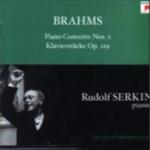 |
george1977 正式會員 210.xxx.xxx.97 |
2009-02-05 13:40 |
| [#9625] Peter Rosel啟動了出版他的貝多芬鋼琴奏鳴曲全集計劃 2009年日本《唱片藝術》雜誌將這張唱片評為特選盤 Peter Rosel 絕對有錄製優秀貝多芬奏鳴曲全集的實力,因此這套錄音必然引起行家的注意,但代價頗高,每張CD的價格是3000日幣,雖昂貴,但剛好可以以4年的時間分期付款(每年出版兩張),相信是值得的。Rosel 啟動了他的貝多芬鋼琴奏鳴曲全集出版計劃,這項計劃從2008年到2011年,時間長達4年,Rosel 將每年赴日開獨奏會,將貝多芬奏鳴曲32首彈完,而這些實況演出,則由日本唱片公司King與演出場地Kioi Hall合作,按照演奏會的順序,逐一出版CD。  |
george1977 正式會員 210.xxx.xxx.97 |
2009-02-05 13:52 |
| [#9626] 我的第一張原版黑膠唱片 @ Frankbach 貝姆之外,我心目中另一個優秀的《田園》,是華爾特(Bruno Walter)於1958年率領哥倫比亞交響樂團的錄音,在爽朗的音響中透著詩情畫意,無形中流露的田園情趣,還有那高貴的氣質與深刻的樂曲內涵,使這個版本非常有說服力。實際上,這個演奏的名望和貝姆版是不相上下的,但它輸在哥倫比亞交響樂團本身的水平,實在差維也納愛樂太多了。 http://blog.yam.com/frankbach/article/19148959 http://blog.yam.com/frankbach/article/19148959  |
george1977 正式會員 210.xxx.xxx.97 |
2009-02-05 14:05 |
| [#9627] 我的第一張原版黑膠唱片 @ Frankbach 前陣子因為《台灣之歌》事件名噪一時的上揚唱片,其實是台灣的古典音樂重鎮,早在40年前,上揚就代理進口大量的古典音樂黑膠唱片了,當時若想要買原版古典音樂唱片,八成都得光顧上揚,而上揚的老闆娘張碧小姐,更是我所尊敬的古典音樂前輩。 話說我國中一年級的時候,家裡添購了第一套比較像樣的音響設備,已經聆樂多年的表哥建議喜愛古典音樂的我,別再聽翻版唱片,並推薦我去上揚買原版唱片,我趁著一次考試成績差強人意時,央求父母帶我去上揚買唱片,當我進入飄揚著優美樂音,且唱片滿坑滿谷的上揚時,真不是普通的興奮,要買什麼呢?我早有想法,且很容易就找到放置貝多芬《田園》交響曲的櫃位。問題來啦,架上竟然有釵h張不同演奏錄音的《田園》交響曲,對古典音樂菜鳥的我來說,反倒是一種困擾,此時,老闆娘恰巧走過來,我彷彿溺水者抓住浮木般向她求援,老闆娘不假思索挑出貝姆(Karl Bohm)指揮維也納愛樂的版本,這就是我的第一張原版黑膠唱片了。 不用說,這張唱片在往後生活中帶給我的滿足感,是筆墨所難以形容的,我逐漸擴充古典音樂知識,也有機會接觸貝多芬《田園》交響曲的其他演奏版本,發現沒有一個演奏勝過貝姆,上揚老闆娘幫我挑的竟然就是最棒的定盤,難怪我會如此鍾情這個版本,到CD時代仍深愛不渝,感謝上揚老闆娘呀! 貝姆這個於1971年和維也納愛樂合作的《田園》,絕對是最安詳且最唯美的《田園》錄音,這裡面沒有任何情緒化的反應,沒有任何誇張的衝動,所有的一切都是溫和、中庸而自然的,和諧與平衡音響性,還有那細膩且密度極高的弦樂,讓人一開始聆聽,就不禁一股腦兒的陷了進去,完全沈溺於絕美的致命吸引力裡,而由於這個演奏敦厚和藹的個性,聆聽時還會產生一種莫名的安全感。 http://blog.yam.com/frankbach/article/19148959 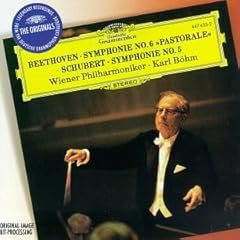 |
george1977 正式會員 210.xxx.xxx.97 |
2009-02-05 14:07 |
| [#9628] Barenboim's paradox Sometimes you read something that chimes so precisely with what you've been thinking, it's like looking in a mirror. I've had Daniel Barenboim and Edward Said's Parallels and Paradoxes, an edited collection of their public talks, on my shelf for a while, but have only just got around to reading it. In the middle of a talk on the meaning of authenticity in musical performance, Barenboim says this: Another very important point, for me, is that if you study music in the deepest sense of the word - all the relationships, the interdependence of the notes, of the harmonies, of the rhythm, and the connection of all those elements with the speed; if you look at the essential unrepeatability of music, the fact that it is different every time because it comes in a different moment - you learn many things about the world, about nature, about human beings and human relations. And therefore, it is, in many ways, the best school for life, really. And yet, at the same time, it is a means of escape from the world. And it is with this duality of music that we come to the paradox. How is it possible that something that can teach you so much about the world, about nature and the universe, and, for more religious people, about God - that something that is so clearly able to teach you so many things can serve as a means of escape from precisely those things? And this is a fascinating thought, about the effect of music. Barenboim has hit on something very important there, I think. I've often thought that the way we use music we love is exactly as he says; that on one hand, immersion in the musical experience, whether we're listening or playing, takes us out of ourselves and extends our understanding because we have to come towards a performance or a piece of music. But on the other hand, music can confirm what we already know, and can shore up our self-image. Far from extending ourselves, escaping into music we know and love can feel like a retreat from the world into a place of timeless values, in which we narcissistically find an echo of ourselves in an imagined musical perfection. Music can anaesthetise us to the realities of the world around us - whether it's iPods on the bus on the morning commute, the music you put on when you're cooking, or even a concert of your favourite band or orchestra. It's not that one way of understanding music is right and the other wrong - even the most shockingly powerful musical experiences are a combination of revelation and seduction. But it's important to know what you're doing, to know how and why you're listening. It's an ethically charged area of musical aesthetics. In other words, just another gloss on the whole danger of music subject ... http://www.guardian.co.uk/music/tomserviceblog/2009/feb/03/music-daniel-barenboim-paradox 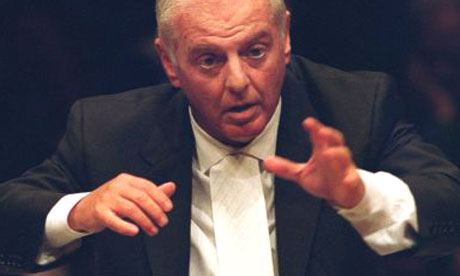 |
george1977 正式會員 210.xxx.xxx.97 |
2009-02-05 14:40 |
| [#9629] Putting Solo Careers Aside to Work a Stage Togethe In chamber music it is often hard to say what makes a particular pairing of players succeed. The German violinist Christian Tetzlaff and the Norwegian pianist Leif Ove Andsnes routinely take time from their thriving solo careers to play duo recitals. I wonder if even they could explain why they hit it off so well. But they do, as their recital at Carnegie Hall on Monday night, the last stop in a whirlwind North American tour, made abundantly clear. Their urgent and insightful account of Brahms’s Violin Sonata in D minor, which closed the first half of the program, was especially telling. Here were two accomplished artists with distinctive temperaments forging an organic interpretation that still managed to exude impetuosity. One value these players share is the integrity of the score. Notes and rhythms are executed cleanly, no cheating. There was, for example, the hushed development section of the first movement of the Brahms, when, over a hypnotically repeated octave in the low register of the piano, the violin and the piano traded lacy, winding, high-lying melodic phrases. Every note pierced through the murky colorings that Mr. Tetzlaff and Mr. Andsnes summoned in this astonishing episode. Beneath Mr. Tetzlaff’s bookish persona lies a musician with a penchant for wildness. Though Mr. Andsnes plays with brilliance and vibrancy, he comes across as more Apollonian. In any event, the Brahms performance was both arresting and beautiful. They brought soaring lyricism and mystery to the melancholic Adagio movement and cagey playfulness to the Scherzo, and they tore through the stormy finale with a seemingly impossible mix of absolute control yet fearless abandon. They opened with a rhapsodic, colorful account of Janacek’s little-heard Violin Sonata, a late work composed in 1922. Although this elusive 18-minute, four-movement piece has elements of late Debussy and early Bartok, the sheer strangeness of the music is a Janacek trademark, as when a melodic fragment in the piano repeats with cyclic repetitiveness while the oblivious violin breaks into what could be some earthy folk song. After intermission Mr. Tetzlaff and Mr. Andsnes turned to Mozart’s Violin Sonata in F (K. 377), one of six sonatas that Mozart, short of money, composed in 1781 for a gifted amateur violinist. Surely that explains why the piano part, which Mozart would have played, is so much harder than the violin part. In the rippling first movement Mr. Andsnes’s playing was a dizzying blur of nonstop, swirling triplets passing from hand to hand. The program ended with a dazzling performance of Schubert’s aptly named “Rondo Brilliant” in B minor. Though not top-drawer Schubert, the piece is inventive, stirring and shamelessly showy. Even the encores fit into the thoughtful conception of this program. Two short works by Sibelius, a hearty dance and a perky rondo, picked up the mood of the Schubert but took us back to the realm of Janacek. A stunning account of the last movement of Ravel’s Violin Sonata, a perpetual-motion tour de force for the violin, was an extra treat. Christian Tetzlaff, left, and Leif Ove Andsnes at their recital at Carnegie Hall, the last stop of their North American tour. http://www.nytimes.com/2009/02/04/arts/music/04chri.html?ref=music  |
george1977 正式會員 210.xxx.xxx.97 |
2009-02-05 14:52 |
| [#9630] A Christmas Present From Mendelssohn The Lyric Chamber Music Society of New York began its celebration of Mendelssohn’s 200th birthday last season, when it included a handful of rarities in its programming. It has a few more up its sleeve too, including a reconstruction of an unfinished piano concerto. But for the actual birthday, on Tuesday, the society presented a salon concert of the sort that was common in Mendelssohn’s day, bringing together vocal works and piano music. The main attraction of its program at the Kosciuszko Foundation was the “Liederbuch für Cécile,” a collection of 17 songs Mendelssohn gave to his wife as a Christmas present in 1845. The performance was listed as a world premiere. Introducing the work, R. Larry Todd, the Mendelssohn scholar and biographer, suggested that this “Liederbuch” could be considered a song cycle, given that most of the texts (by different poets) are about spring. Both claims demand an asterisk. Mendelssohn had published several of the songs before he compiled them in this set, some as early as 1839. Others were published later, and most have been performed and recorded. These were premieres in a limited sense: because Mendelssohn revised his works frequently, they are not identical to the standard versions. Whether they constitute a cycle, given their disparate origins, depends how loosely you define the term. To be anachronistic, the “Liederbuch” is more like a mixtape, a collection of favorite songs, assembled for a friend. Ying Huang, a soprano with an attractive, flexible sound, phrased these shapely songs as emotionally pointed snapshots — and occasionally, miniature dramas — with solid, colorful support from Thomas Bagwell, at the piano. There were few surprises in the songs themselves, but Mendelssohn’s gift for graceful, chromatic melodies is heard in full flower. The “Rheinisches Volkslied” (Op. 57, No. 4) and the three final songs — “An dem Wind,” “Nachtlied” and “Frühlingslied” (all from Op. 71) — were particularly alluring. On the second half of the program Mr. Bagwell played four brief, appealingly melodic piano pieces by Mendelssohn’s sister, Fanny Mendelssohn Hensel, and six of Mendelssohn’s “Songs Without Words,” including two new additions to the canon. One, a D major work composed in 1843, has a playful melody dancing over a fiery, perpetual-motion accompaniment. That one is a keeper. The other, a fragment in E flat completed by Mr. Todd, has considerable charm but is less memorable. Ms. Huang and Mr. Bagwell closed the concert with two hauntingly beautiful songs by Hensel. The next concert by the Lyric Chamber Music Society of New York is on Feb. 25 at the Kosciuszko Foundation, 15 East 65th Street, Manhattan. Its next Mendelssohn concert is on March 18 at the Stephen Wise Free Synagogue, 30 West 68th Street, Manhattan; (212) 239-9190, lyricny.org. Lyric Chamber Music Society of New York: The pianist Thomas Bagwell and the soprano Ying Huang performed works by Mendelssohn and Fanny Mendelssohn Hensel at the Kosciuszko Foundation Tuesday. http://www.nytimes.com/2009/02/05/arts/music/05lyri.html?ref=music  |
george1977 正式會員 210.xxx.xxx.97 |
2009-02-05 14:56 |
| [#9631] Gerhard Oppitz 的貝多芬協奏曲舊CD 鋼琴家 Gerhard Oppitz 錄完貝多芬鋼琴奏鳴曲後,接著展開舒伯特奏鳴曲的錄音工程,目前已經完成兩集,Oppitz 在DG只有一張獨奏唱片,後來移籍到BMG留下的唱片也不多,這張1996年的貝多芬鋼琴協奏曲第一號、第三號,幾乎被遺忘在錄音的洪流裡,我很懷疑現在還有多少樂迷記得 Oppitz 有這麼一張貝多芬協奏曲的唱片?  |
george1977 正式會員 61.xxx.xxx.107 |
2009-02-07 11:50 |
| [#9632] Enrico Mainardi (1897-1976)的巴哈無伴奏大提琴的錄音去了哪兒? Enrico Mainardi (1897-1976)的巴哈無伴奏去了哪兒? 雖然很早就知道這一套錄音的存在,卻始終『只聞其名』而已,對這套錄音的印象只有在半年前在ebay二手LP市場中曾一瞥,印象中也是以嚇人的價格賣出;而這套錄音竟冷凍至今尚未國際版CD化,僅日本Tower Records 出版過(Tower Record Vintage Collection PROA-59,3CD)。 Mainardi的巴哈無伴奏錄音最早是1950年在DECCA,僅錄下第3、第4號組曲,各以一張LP收錄(No.3:LX 3069;No.4:LXT 2673),在拍賣市場的價格一張曾高達1300多美元 ,接下來在1954∼1955年間,在Archive錄下了全集,CD只有日本Tower出版過(Tower Record Vintage Collection PROA-59, 3CD)。  |
george1977 正式會員 61.xxx.xxx.107 |
2009-02-07 12:05 |
| [#9633] Enrico Mainardi (1897-1976)的巴哈無伴奏大提琴的錄音去了哪兒? 接著在1957年薩爾茲堡音樂節演出了第1∼第3號組曲,由Orfeo出版(Orfeo 360 941),應是現在最容易買到的版本  |
george1977 正式會員 61.xxx.xxx.107 |
2009-02-07 12:06 |
| [#9634] Enrico Mainardi (1897-1976)的巴哈無伴奏大提琴的錄音去了哪兒? Mainardi在進入立體聲時代後,也留下了另一套完整的全集,這是1963∼1964年的錄音,LP時期由eurodisc發行(這套LP則比DECCA版和Archive版稍便宜,全套4LP約1700美元) 由eurodisc出版的1963年立體聲版LP  |
george1977 正式會員 61.xxx.xxx.107 |
2009-02-07 12:10 |
| [#9635] Enrico Mainardi (1897-1976)的巴哈無伴奏大提琴的錄音去了哪兒? 而CD改由DENON發行,花點奶狴蝷難尋得。 Fournier又再版了,而20多年來DG目錄上又多了兩個Maisky版,還有一個王健版。Mainardi的巴哈,只在那遺忘的時光裡。 由日本版DENON出版的1963年立體聲版 CD  |
george1977 正式會員 61.xxx.xxx.107 |
2009-02-07 12:12 |
| [#9636] Garrick Ohlsson 於Arabesque錄下的蕭邦全集 在市面上的眾多蕭邦【全集】或【準全集】錄音版本之中,不論在質或量上,Garrick Ohlsson都有足以傲視群雄的本錢。這套蕭邦全集應是鋼琴家中憑一己之力灌錄蕭邦全集中,曲目最完整的一套,從獨奏曲、協奏曲外,到其餘完整的鋼琴與管弦樂作品、室內樂、歌曲集等皆沒有遺漏,DG和 Naxos 都得東拼西湊旗下數名鋼琴家的錄音才出蕭邦全集,Garrick Ohlsson的用心與毅力就已值得相當的敬意與掌聲。簡單的說,Garrick Ohlsson 擁有超絕的技巧,但卻是相當內斂而不 show-off 的。 Garrick Ohlsson 的高超技巧、紮實甚至凌厲。但在蕭邦獨奏作品中,他不逞快速,也沒有杜鵑泣血的矯情 Garrick Ohlsson 是1970年第八屆華沙蕭邦鋼琴大賽冠軍得主,是該獎首位(其實也是目前為止唯一一位)美國得主,大他一屆的1965年金牌得主是 Martha Argerich ( 1941 - ),下一屆1975年的金牌得主則是 Krystian Zimerman (1956 - )。夾在兩個明星特質太過閃眼的得主之間,Garrick Ohlsson 的名氣在樂界似乎略顯黯淡,但和1980年的冠軍鄧泰山(Dang Thai Son, 1958 - )一樣,他兩位都可惜的被低估了。當屆的亞軍是內田光子(Mitsuko Uchida, 1948 - ),當年PHILIPS的大 project 20世紀偉大鋼琴全集中,連內田光子也都入選,Garrick Ohlsson 與鄧泰山卻在名單外,先撇開複雜的版權問題和入選名單爭議等,這兩位冠軍實在被低估與遺忘的可惜!  |
george1977 正式會員 61.xxx.xxx.107 |
2009-02-08 16:12 |
| [#9637] Garrick Ohlsson 於Arabesque錄下的蕭邦全集 這是由英國唱片公司Hyperion所發售的專輯,當然,這個出版不代表 Ohlsson 移籍到Hyperion,而是Hyperion向美國唱片公司Arabesque買下 Ohlsson的錄音版權,24 bit 再版發行。  |
george1977 正式會員 61.xxx.xxx.107 |
2009-02-08 16:14 |
| [#9638] 捷克鋼琴家 Ivan Moravec 1930年出生於布拉格的捷克鋼琴家莫拉維茨 (Ivan Moravec, 1930~ ),早年由其父啟蒙,七歲則跟隨Rudolf Firkusny 的老師 Vilem Kurz 學琴,十四歲時進入布拉格音樂院,拜師 Erna Grunfeld 門下,1948年以第一名畢業。1957-1958年赴義大利接受大師 Arturo Benedetti Michelangeli的指導,1964年應指揮 George Szell 之邀與克里夫蘭管弦樂團合作演出,並於同年舉行紐約首演,自此奠定他在樂壇的地位。1969起任教於布拉格音樂院,其演奏曲目以蕭邦、德布西、拉威爾,以及包括德弗札克、史麥塔納與楊納柴克等捷克作曲家作品為主。莫拉維茨於2000年獲捷克總統頒贈「傑出藝術成就獎章」,接著再由捷克政府頒贈他對人類的傑出貢獻獎,2002年在法國 Cannes 唱片展中更獲終身成就獎。這張蕭邦專輯距莫拉維茨在VOX的上一張錄音已隔二十年,他的細膩優雅依舊,音樂更在穩健理性之中蘊藏著深刻的浪漫,他的蕭邦足以用超凡入聖來形容。  |
george1977 正式會員 61.xxx.xxx.107 |
2009-02-08 17:06 |
| [#9639] 捷克鋼琴家 充滿彈性速度如歌唱著的 Chopin Ivan Moravec的琴音細膩乾淨,但不像其師 Arturo Benedetti Michelangeli (1920-1995)般無塵無菌至極,而像輕灑湖中的皎月倒影,朦朧著薄薄的一層光暈,這應是『手腳並用』、節制而精妙的踏板奶珧t合下所創出的音色;其二,則在於『音量』的設計;以Chopin夜曲來說,Moravec在曲子整體架構偏向用稍弱的音量來營造醞釀靜謐浪漫的氛圍,而造成強音處更鮮明、卻不突兀的對比;第三,則在於『彈性速度』(Rubato)的運用;Moravec的彈性速度大膽,卻用的自然、藏的巧妙,使音樂的線條充滿優雅卻不流於激情濫情,聽聽第四號敘事曲或夜曲Op. 55-2,在多聲部中仍能讓各聲部獨立地充滿彈性速度如歌的唱著,相當靈妙! Elektra Nonesuch 9-79233-2,1965年錄音,1991年發行  |
george1977 正式會員 61.xxx.xxx.107 |
2009-02-08 17:10 |
| [#9640] 新秀鋼琴家 Jonathan Biss 的莫札特錄音 美國鋼琴家 Jonathan Biss 在2008年的新CD中,首度錄製莫札特協奏曲,找來奧菲斯室樂團(Orpheus Chamber Orchestra)跨刀,身兼鋼琴獨奏、指揮和裝飾奏編寫,甚至解說書也是他自己來。多年沒有新CD發行的奧菲斯室內樂團,也是個賣點,但最重要的是這張莫札特新唱片,值得買過N個版本的你,再收藏一張。  |
george1977 正式會員 61.xxx.xxx.107 |
2009-02-08 19:45 |
| [#9641] 新秀鋼琴家 Jonathan Biss 的莫札特錄音 George, I especially like Arturo Benedetti Michelangeli playing Chopin's Mazurkas and Scherzo b-moll op.31. Never tried Ivan Moravec. Hmmm... :-) |
eurojazz 正式會員 219.xxx.xxx.235 |
2009-02-08 20:51 |