兩聲道
CD機 | MD機 | SACD機 | DAC | CAS | 合拼擴音機 | 前級擴音機 | 後級擴音機 | 接線 | 喇叭線 | 揚聲器 | 耳機 | 耳機擴音機 | LP產品 | 膽機產品 | 開卷式錄音機 | 音響配件 | DIY音響 | 電源 | 家庭影院
電視機 | 投影機 | 錄影機 | DVD影碟機 | Blu-ray影碟機 | 多媒體播放器 | 機頂盒 | 多聲道擴音機 | 多聲道揚聲器 | 多聲道影音組合 | Mini音響組合 | 重低音揚聲器 | 輔助設備 | 同好會
同好會 | Accuphase | B&W | Burmester | Denon | Jadis | KEF | KRELL | Luxman | Marantz | Nuforce | OPPO | Pioneer | TEAC | WEISS | News
News | Blog | 其他
其他 | 所有 |
| 影音天地主旨 ﹝請按主旨作出回應﹞ 上頁 下頁 首頁 尾頁 | 寄件者 | 傳送日期
|
| [#9702] Roger Norrington: an enlightening conductor By Nicholas Kenyon At 75, some conductors might be scaling down, restricting their appearances and confining their repertory to a few favourite symphonies which they can repeat endlessly. Not Roger Norrington. One of the great innovators of our musical life, he is still ahead of the curve, making waves with his unconventional views and musical experiments. His latest crusade is what he calls "pure tone", persuading orchestras to play without the endless sustained vibrato which has become such a feature of modern performances. This reversion to purity worked for the Baroque, and brought insights in the classical repertory, but Norrington has driven it through to the romantic heights of Elgar and Mahler – in the face of pretty conclusive evidence that some orchestras did by then have a style which employed vibrato. But the results he obtains from his Stuttgart Radio Symphony Orchestra are eloquent and distinctive: as so often, Norrington convinces you to listen by the sheer force of his musical personality. The recent years in Stuttgart, where Norrington has applied everything he learned with old instruments to a flexible, virtuosic modern orchestra, are only the present culmination of his years of open-minded experiment. When Norrington, then a singer, publisher and occasional violinist, started the Schutz Choir in the early Sixties, no one knew this repertory and his performances in City churches became landmarks of the early music revival. He was the first conductor in this country to risk a Bach St John Passion with period winds and strings and boys' voices, and his sequence of Monteverdi Vespers, Handel's Messiah and Mozart Requiem were all firsts in their use of period instruments. A Monteverdi Poppea in Spain in January 1974 seems to have used the first British early-music opera ensemble, a development now firmly entrenched at Glyndebourne and elsewhere. One important fact about Norrington and his younger contemporaries such as John Eliot Gardiner (who sang in some of Norrington's earliest concerts) and Christopher Hogwood is that though they led the early music revival, they learnt much from the modern-instrument directors, Colin Davis, Neville Marriner and Raymond Leppard, before branching out. Norrington led one of those hectic freelance lives that marked the heyday of the busy Sixties –rehearsing Messiah with Leppard one morning, Berlioz with Davis in the afternoon, then performing Messiah in the evening, then rehearsing and performing Berlioz the next day; he learnt, and learnt fast. He took over the lively Kent Opera, and took them round the country in the Seventies in a bewildering variety of repertory, from G&S's HMS Pinafore (which Norrington had loved as a child) to Tippett's King Priam in Nicholas Hytner's superb production. When the old-instrument revival took off like a rocket, helped by the arrival of the compact disc in the Eighties, Norrington was well placed to take advantage of it; while some experiments of the time were cautious and sterile, Norrington's were blazingly opinionated and exciting. His Beethoven symphony cycle on EMI became the one to have, and there was at last a feeling that a historically informed approach to this music, trusting Beethoven's metronome marks and his articulations, could let it speak vividly to us. Norrington never fell into the trap of arguing that his music-making was authentic: "The point of using old instruments," he would always say, "is to make the music sound new." Norrington's investigations into the music of the past were always informed by an enquiring mind and a razor-sharp intelligence: cultural context was always important to him, and that bore fruit in the series of "Experience Weekends" which became defining events in London's musical life in the Eighties. Surrounded by talks, discussions, and contextual concerts, always introduced by Norrington himself with whimsical incisiveness, he explained over three crowded days the background first to Haydn's Creation, then Beethoven's Ninth Symphony, then Berlioz's Romeo and Juliet, and crowds followed him. His Mozart Requiem in the anniversary year of 1991, tailing off where Mozart left the work incomplete, was unforgettable. Though hit by cancer, forcing him to curtail his own orchestra's work, Norrington fought and survived, and carried on with a punishing schedule taking the results of his researches around the world. This was the period when the great symphony orchestras, rattled by the success of the old-instrument bands, decided that they had to learn the lessons of a historical approach – and who better to teach them than Norrington, who turned up in Berlin, Vienna and with those American orchestras who would listen, throughout the Nineties. It is difficult to think of anyone who has had a greater influence on orchestral playing styles today. http://www.telegraph.co.uk/culture/music/classicalmusic/4939115/Roger-Norrington-an-enlightening-conductor.html  |
george1977 正式會員 正式會員210.xxx.xxx.97 |
2009-03-05 15:38 | |
|
|
|||
| [#9703] A Spotless Rose @ Gabrieli Consort A Spotless Rose Gabrieli Consort, cond Paul McCreesh Deutsche Grammophon 477 7635 Recorded in the cavernous Ely Cathedral, this release describes a span of mainly unaccompanied devotional choral music written in honour of the Virgin Mary from the late Middle Ages and High Renaissance to the 20th century and on to contemporary composers such as John Tavener, Thomas Adès and James MacMillan. The cathedral's expansive atmosphere enhances the effect of the mingling sonorities in Tavener's opulent, slow-moving A Hymn to the Mother of God. Equally, Giles Swayne's exuberant setting of the Magnificat capitalises on individual vocal parts that resonate pointedly. The earliest item here is the anonymous 15th-century Ther is no Rose of Swych Vertu, sung with purity and serenity. Pinnacles of Renaissance art such as Josquin's Ave Maria, virgo serena, Palestrina's Stabat Mater and the solemn, sumptuous Nesciens Mater by the French master Jean Mouton, create pools of intense, quietly voiced piety. MacMillan's Seinte Mari Moder Milde, a dramatic fusion of medieval references with modern harmonic principles is complemented by another recent classic, Adès's The Fayrfax Carol. The intervening historical period is represented by Grieg's exquisitely restrained Ave Maris Stella, Herbert Howell's gorgeous A Spotless Rose and Bax's broad, rhapsodic Mater ora filium, with Henryk Górecki's hypnotic Totus tuus ending the sequence. Sung throughout with sensitivity to style, this themed programme reveals the reverence and the rapture the Virgin Mary has inspired in music over the centuries. http://www.telegraph.co.uk/culture/music/classicalmusic/4735809/A-Spotless-Rose---classical-CD-of-the-week.html  |
george1977 正式會員 210.xxx.xxx.97 |
2009-03-05 15:42 |
| [#9704] Concert House Orchestra: Berlin's other orchestra By Ivan Hewett How do you run an orchestra in a city that already has the Berlin Philharmonic and Simon Rattle? Not to mention three other orchestras? Plus three opera houses, one of which has an orchestra that is also among the world's best? Lothar Zagrosek, chief conductor of the Konzerthausorchester Berlin since 2006, laughs when I ask him this. "Look, we are in a wonderful situation here. This" – he gestures round us – "is the absolute centre of Berlin. We have absolutely the best position, and this building we are in is our great asset. "That is why the first thing I did when I arrived was to the change the name. Before, we were the Berlin Symphony Orchestra, so we were the BSO in a city which already had a DSO and DOO and heaven knows what. Now we are the 'Concert House Orchestra', so we are identified with our home, like the Concertgebouw in Amsterdam or the Tonhälle in Zurich." He has a point. The Konzerthaus we're sitting is a neo-classical masterpiece designed by Germany's most famous architect, Karl Friedrich Schinkel. It stands in the beautiful and severely symmetrical Gendarmenmarkt. The Berlin Philharmonic also lives in its own architectural masterpiece, the modernist Philharmonie, but it sits in a bleak area of town that was once a stone's throw from the Wall. So, first point to the Konzerthaus orchestra. But one thing it can't boast is the Phil's pedigree, which stretches back to 1882. Compared to it, the Konzerthaus orchestra is an upstart, conjured into being by political fiat in 1952 to be East Germany's answer to the mighty Berlin Phil. This makes it literally "the city's other orchestra". Which was fine, as long as the city was divided. Then came the rapturous moment when it was reunited in 1989, which turned out to be not so rapturous for the Berlin Symphony Orchestra (as it was then called). "They promised they would keep the orchestra," says Helge von Niswandt, a trombonist who is also on the orchestra's governing body, "but a few years later they tried to close it down." Doesn't this show the blatant bias in favour of Western institutions that was part of Western Germany's "colonial" attitude towards the East at that time? Von Niswandt makes an "I couldn't possibly comment" gesture. "Well, anyway, our loyal subscribers saved us. They wrote so many protesting letters that the city had to change its mind." Seventeen years on, the orchestra's support from the city seems secure, and the hard-core subscriber base still makes up two-thirds of a typical audience, a figure London orchestras can only dream about. But Zagrosek, a 67-year-old German who had a long association with the London Sinfonietta in the Seventies and Eighties, isn't complacent. "My goal is to have an orchestra which can play at the same level in Baroque, classical, romantic and contemporary music. We are the only orchestra in Berlin with this ambition." But isn't Simon Rattle broadening the Berlin Phil's repertoire? "Yes, but the Philharmonic is limited by its international status. They have to offer in Berlin the same programme they will do in Lucerne and Tokyo. I can just think about what works here. It gives us a lot of freedom." When I ask what this means, the ideas come tumbling out. "I really want to do more opera – not in that silly concert way, with singers in their evening dress. Recently we did all the reform operas of Gluck in a semi-staged way, and it worked so well, there was just enough staging to stimulate the audience. "Also I want to do more concerts in an informal way, with the seats removed, like in your Proms season. Last year I did a concert where the audiences brought their own instruments, and at the end I invited them on to the stage to play. It was strange – I had 37 cellos – but still you could recognise the piece!" Zagrosek's desire to get people involved extends to Berlin's youth as well. "I invite classes to our rehearsals, and we are building relations in the long term with several schools. Simon Rattle was a great role model for this, and also the London Sinfonietta, which I worked with many years ago." Underlying this blizzard of activity is a typically German conviction in the value of art. "We have to fight to show we have a very important cultural heritage. I feel one generation is already half lost, and I want to ensure we don't lose them completely. Culture is so important. It isn't everything, but without it we are nothing." http://www.telegraph.co.uk/culture/culturecritics/ivanhewett/4806385/Concert-House-Orchestra-Berlins-other-orchestra.html  |
george1977 正式會員 210.xxx.xxx.97 |
2009-03-05 15:46 |
| [#9705] Puccini: Madama Butterfly @ Angela Gheorghiu Puccini: Madama Butterfly Angela Gheorghiu (Cio-Cio-San), Jonas Kaufmann (Pinkerton), Orchestra dell'Accademia Nazionale di Santa Cecilia, cond Antonio Pappano EMI 2 64187 2, 2 CDs A few years ago the doomsayers were proclaiming that the age of recording opera in the studio was dead, but here it appears to be alive and kicking, in a highly polished performance of Puccini's sublime masterpiece made in Rome over 12 days in the old slow-burn, multi-take style. It is very impressive in many respects, not least because of the ideal clarity and warmth of the sound engineering. Antonio Pappano conducts the Santa Cecilia Orchestra with red-blooded passion, never letting the pace slip but remaining attentive to the finer orchestral detail on the way. Enkelejda Shkosa and Fabio Capitanucci are forthright and sympathetic as those helpless forces of reason, Suzuki and Sharpless. There is a quite superb Pinkerton from Jonas Kaufmann, who captures all the character's phoney Yankee bravado. But a Madama Butterfly without a Cio-Cio-San is like Hamlet without the Prince, and everything depends on one's response to Angela Gheorghiu in the title role. Her many fans may well be enthralled, but I disliked her interpretation intensely. I wouldn't dispute for a minute that hers is a very beautiful voice but her singing is pitched at one emotional level throughout, without any inner engagement with the text. Whether she's impersonating the innocent teenager of Act 1 or the demented duped wife of Act 2, she remains the grand prima donna. Crucially, she lacks the intangible quality of sincerity – for that, Renata Scotto's recording conducted by Barbirolli remains peerless. http://www.telegraph.co.uk/culture/music/classicalmusic/4839962/Puccini-Madama-Butterfly-review.html  |
george1977 正式會員 210.xxx.xxx.97 |
2009-03-05 15:51 |
| [#9706] HOLST: The Planets @ Mark Elder HOLST: The Planets, Op. 32. Lyric Movement for Viola and Small Orchestra (with Timothy Pooley, viola). Neptune (with original ending). MATTHEWS: Pluto -"The Renewer" The HallÈ Orch/Ladies of the HallÈ Choir/Mark Elder, cond. HYPERION CDA 67270 (F) (DDD) TT: 75:00 What this CD offers as admission to a planetarium chock-full of recorded performances going back to the composer's own pre-electric in 1923, is an eighth planet - Pluto - which Holst didn't compose. The solar system he set to music of remarkable staying power in 1914-16, despite some banal modulations in Venus and Jupiter, were only seven (not counting the Sun or Earth). Holst lived until 1934, long enough to learn of Pluto's discovery in 1930, but by then had come to resent the work's popularity at the expense of his other music. Beyond that, he had been a student of Astrology at the time he conceived his seven-movement original, but dropped the subject soon after, as he did a lot of other arcana in his lifetime. From reports that survive he was a good amateur Astrologer (having been one myself, I capitalize the noun as professionals have been doing for at least 130 years). Perhaps Holst learned, as I did, that most people want their horoscopes cast (no simple task before computers, with the proviso that computers have been accurately programmed), but ask only about money, love and longevity. In any case few listen seriously or carefully unless they've paid for a reading. So, how come Pluto, which Colin Matthews (b. 1946) composed on a Y2K commission from the Hallé Orchestra before Kent Nagano turned the baton over to Mark Elder? I haven't the slightest idea, nor does Matthews' name register on my radar screen. Hyperion's superbly comprehensive annotation says that he assisted the late Deryck Cooke in the "performing version" of Mahler's unfinished Tenth Symphony (which version, the first or second?). But in that case, a good deal of material already existed: one movement in full score, portions of the rest in short score - more material than other Brits had available to make an "Elgar Third Symphony," or a "Schubert Tenth," or a "Beethoven Tenth." I had and have tremendous respect for Cooke's efforts on behalf of Mahler, but have come to despise those since who fabricated putative masterpieces that aren't even good forgeries. Matthews has written a scherzo lasting 6:22 which he calls Pluto - The Renewer. Not only isn't it in the style of Holst, it quickly becomes incoherent noise, graffiti on a subway car. He "unites" it to The Planets with a segue that omits Neptune's wordless postlude for small women's choir offstage. There are snippets (orts, actually, for you crossword fans) of Holst, and mock obeisance in the use of metal percussion. But Pluto is a presumption, the blame for which Nagano and his Mancusian employers must share with Matthews and, now, Hyperion. No one is served by this stunt, which is not only stylistically alien but formally incoherent in and of itself. The crowning irony is that astronomy (no, I don't capitalize that, any more than I capitalize ostriches) has since downgraded Pluto from a planet to an asteroid. Smart Astrologers have rolled their eyes, but not those who neglected to study Pluto's elliptical orbit and its effect on history. But don't let me get started on that. Otherwise, the Manchester's HallÈ has rejoined the ranks of Albion's leading orchestras - the London Symphony, Philharmonic, Royal Phil and BBC, plus the Birmingham that Simon Rattle has left to succeed Abbado in Berlin, now with a 10-year contract in his pocket. Elder promises to maintain the standard Nagano rebuilt, although his Planets don't efface the memory of others. I find his tempos in Jupiter progressively slow (no, the Big Tune should not try to be Pomp and Circumstance No. 6), while Uranus misses an eccentricity that ought to verge on craziness at moments. Elder, though, really does chill the marrow with his slow, quiet, arthritic Saturn - you find yourself waiting for the lifeline to go flat on the monitor (I wonder, is Elder a Capricorn?). Neptune turns out to be almost lush, which is OK both musically and Astrologically. But one must wait 18 minutes for it, or program the disc to skip cues 8 (Matthew's Pluto) and 9 (an early, bland Holst piece called Lyric Movement for viola and small orchestra). And doing that is bloody damn nuisance. Recording? Full-blown if you don't mind a muted organ glissando at the end of Uranus. But it's not quite the sound found on Hyperion's opulent Bantock discs by the Royal Phil under Vernon Handley. Speaking of Handley, he has a commendable Planets on the RPO's own budget label, blazingly recorded, with the bonus of a most eloquently voiced St. Paul's Suite. Otherwise, I'd advise ignoring Karajan's two versions, also those by Solti and Bernard Herrmann (both with LPO, both on Decca), and the last of Boult's several (on EMI, by which time he was Saturnian and seriously slowed-down). Webmeister Benson favors Dutoit and Montreal, also on Decca. But for now I'll stay with Handley; it's not as if I listen to The Planets more than once a year, although a vivid performance of Saturn or Uranus can turn me on like Christmas lights. R.D. http://classicalcdreview.com/ghplan.htm 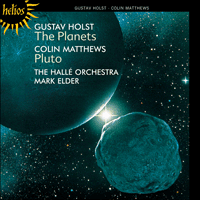 |
george1977 正式會員 210.xxx.xxx.97 |
2009-03-05 16:25 |
| [#9707] HOLST: The Planets @ Mark Elder In the two years since the premiere of "Pluto," a pair of recordings have appeared: one in 2001 by the Hallé under its new music director, Mark Elder on Hyperion (just re-released on Super Audio CD), and a second in 2002 by the Royal Scottish National Orchestra under David Lloyd-Jones on Naxos. The Hyperion disc provides an unadulterated "Neptune" for those who want it, as well as the Lyric Movement for solo viola (sweetly if coolly played by Timothy Pooley) and orchestra, a rambling modal work one might describe as English Impressionism; Naxos offers the first recording of The Mystic Trumpeter, a setting of Walt Whitman (sung by Claire Rutter with forthright tone and impressive diction) that shows Holst just starting to emerge from the Wagnerian influence that dominated his early work. The two performances of The Planets contrast strikingly, with Elder concentrating on nuance while Lloyd-Jones opts for drama. Holst's first movement, the clamorous "Mars, the Bringer of War," is a good case in point. The Hallé plays it more slowly than many other orchestras; the quiet opening is filled more with foreboding than menace, and the climaxes don't thunder as much as they might. But there's a wealth of detail you don't usually hear, like a very subtle tam-tam at the beginning; the cross-rhythms between the brass fanfares and the famous 5/4 ostinato figure are impressively clear. You certainly don't hear that tam-tam from the RSNO, and the unison on that ostinato isn't immaculate, but Lloyd-Jones and his band roar and snarl through the movement, exciting and even intimidating a listener in a way that Elder and the Hallé don't manage. Similarly, on the Hyperion disc the boisterous "Jupiter, the Bringer of Jollity" isn't as stirring as it could be, though "Saturn, the Bringer of Old Age" builds up a gradual momentum that surprises you when it hits, the repeated bass chords like slow but unstoppable swings of the great grandfather clock of the cosmos. The Hallé is more effective in the gentler passages: the opening horn figure in "Venus, the Bringer of Peace" is unusually sweet and calming, and the clarity of texture is ideal for the diaphanous writing of "Neptune, the Mystic." Throughout the score, Elder makes every accompanying chord, every telling punctuation by celesta or percussion or harp audible, yet the performance never sounds fussy. You don't hear nearly as much of that punctuation from Lloyd-Jones and the RNSO, but the emotional expression is more immediate. They juxtapose their ferocious "Mars" with a warm, affectionate "Venus," an exuberantly jocular "Jupiter" and a quicksilver "Uranus, the Magician" that follows the music's every turn, from imposing to mischievous to sarcastic. The difference in the performances is especially clear in "Pluto." As the reflections of the preceding movements come and go, Lloyd-Jones and the RNSO give themselves over to the music's various moods in an almost gaudy manner (the Ladies of the RNSO Chorus re-enter on their final chord with a theatrical whoosh); Elder and the Hallé seem to reflect those moods at a bit of a remove, just as Pluto itself would see the other planets from a distance. Facile as it may seem to say so, the differences in interpretation seem to reflect the discs' price points: Hyperion, a label whose top-quality product is among the more expensive on the CD market, offers a thoughtful, clean and remarkably detailed performance that can show new facets of The Planets to experienced listeners who may have heard the piece a few times too many; for Naxos, whose retail price per disc is about one-third that of Hyperion, Lloyd-Jones and the RSNO miss a bit of the detail but provide an energetic reading that's sure to please new listeners. © andante Corp. December 2002. Holst: The Planets with "Pluto, the Renewer" by Colin Matthews The Mystic Trumpeter, scena for soprano and orchestra Royal Scottish National Orchestra David Lloyd-Jones (conductor) Claire Rutter (soprano) Naxos http://www.andante.com/article/article.cfm?id=19430  |
george1977 正式會員 210.xxx.xxx.97 |
2009-03-05 16:35 |
| [#9708] HOLST: The Planets @ Mark Elder "Where's Pluto?" That question comes up whenever a newcomer first encounters The Planets. And that's very often indeed: with ear-catching writing and colorful orchestration at the service of a familiar, easy-to-apprehend theme, Gustav Holst's "suite for orchestra" is frequently one of the first symphonic works young classical music fans get to know. (Program annotators always have to include a note explaining that Pluto wasn't discovered until 1930, 13 years after the piece was written and only four years before the composer died.) Audiences seem to love The Planets — and so, consequently, do orchestra programmers and record labels (Amazon.com shows more than 50 complete recordings available). So, in this age of completions (e.g., Schubert's "Unfinished" Symphony, Mahler's Tenth Symphony), it was only a matter of time before a movement for the ninth planet appeared: conductor Kent Nagano and the Hallé Orchestra of Manchester, England, commissioned scholar/composer Colin Matthews to write "Pluto, The Renewer" and premiered it, alongside Holst's original seven movements (Earth was never included) in May of 2000. Matthews confesses to mixed feelings about the idea of adding to The Planets — after all, with what could one follow the ending of Holst's own "Neptune, the Mystic," an offstage women's chorus sliding wordlessly between two adjacent chords and fading into silence? He could hardly make "Pluto" more ethereal and remote; instead, he took "solar winds as [his] starting point" for a fast-paced movement in which the outermost planet seems to hurtle past its counterparts on its very long orbit around the sun. Matthews solved the problem of Holst's gradual fadeout by launching "Pluto" just before "Neptune" ends. (Perhaps this is fitting — for part of its orbit, Pluto's elliptical path carries it closer to the sun than Neptune is.) As the women sing their ghostly chords, a violin holds a single note, one so high and still it might be a distant glass bell. Other sections join in gradually with their own sustained notes; before we know it, images of the other planets are floating quickly past us. Matthews seems not to have quoted any of Holst's music directly, but the allusions are unmistakable: a pulsing rhythmic figure and belligerent brass from "Mars, the Bringer of War," calming chords from "Venus, the Bringer of Peace," the skittering woodwinds of "Mercury, the Winged Messenger" and so on; at the very end, the women's chorus returns with the final chord from "Neptune" as quiet instrumental figures flit past like bits of interplanetary flotsam. Matthews claims that he wanted to avoid a Holstian pastiche, but in the event that's pretty much exactly what he provided — and it was just the right decision, an effective way to bind Holst's very disparate movements together. Holst: The Planets with "Pluto, the Renewer" by Colin Matthews Lyric Movement for viola and small orchestra The Hallé Orchestra Mark Elder (conductor) Timothy Pooley (viola) Hyperion http://www.andante.com/article/article.cfm?id=19430  |
george1977 正式會員 210.xxx.xxx.97 |
2009-03-05 16:36 |
| [#9709] 這是 Tortelier晚年的藝術遺產 法國大提琴演奏家 Paul Tortelier (1994-1990)曾經在1960及1980年兩度灌錄巴赫無伴奏大提琴組曲 (由 EMI發行),對他而言巴赫無伴奏大提琴組曲是舊約聖經。1950年,Tortelier 第一次獲得傳奇西班牙大提琴家Pablo Casals的賞識,受邀參加由 Casals創辦的 Prades Festival音樂節 (位於法國一條小村莊),當時 Casals為音樂節總監,50年後,Tortelier又再度受邀在 Prades音樂節登場,這份巴赫無伴奏組曲對 Tortelier而言,應該別具歷史意義。正如DVD的標題「Testament to Bach」,這張專輯不也是 Paul Tortleier的音樂遺言? 當時法國樂評人曾經高度評價及推薦 Paul Tortelier 的巴赫演奏,讚美 “如果 Casals的演奏是朱比特 (Jupiter) ,Tortelier無疑就是太陽神阿波羅 (Apollo)!” Paul Tortlier晚期更留在巴黎音樂學院任教,講授法國大提琴學派的演奏精髓。 1990年7月,法國大提琴演奏家Paul Tortelier 去世前5個月,在Prades Festival演奏的巴赫無伴奏大提琴組曲現場錄影,由VAI發行DVD,這是 Tortelier晚年的藝術遺產! http://www.prades-festival-casals.com/  |
george1977 正式會員 210.xxx.xxx.97 |
2009-03-06 10:42 |
| [#9710] 魯丁與「城室」奏海頓協奏曲/ 嘉嫻 香港城市室樂團自去年九月邀得法國指揮家托勞擔任首席指揮後,氣象頗為一新,比以往更上層樓。在托勞領導下,樂團由去年九月的「豎琴天后」,至今年一月的「天籟之聲」及二月的「李昂演奏蕭邦」的幾場音樂會,都有不俗的表現,因而贏得觀眾及樂評界的稱許。事實上,綜觀近期幾場音樂會,上座率亦十分理想。這個情況實在叫人欣慰。 男聲女高音難得一聽 今年一月中旬,樂團邀請得獎男聲女高音(male soprano)華殊堅士基舉行一場名為「天籟之聲」而事實上十分獨特難得的音樂會,由樂團選奏巴羅克樂曲,並由華殊堅士基以男聲女高音演唱巴羅克時代韓德爾與波普拿的歌劇選段。 樂迷想必知道,韓德爾時代的歌劇,女高音是由閹人(castrato)演唱。不過,隨著時代轉變,由閹人唱女聲的做法已經絕跡。儘管閹人唱女聲已經成為歷史名詞,但由男聲仿唱女高音的做法,仍然是一門有人承傳的歌唱藝術。據筆者了解,除華殊堅士基之外,唱男聲女高音的歌唱家,計有Christofellis,Marian和Nannini。他們都具有很高的天賦,但必須指出,他們所受的訓練,當然與以往的閹人不同。 綜觀華殊堅士基當晚的表現,絕對讓觀眾眼前一亮。他的音色上佳,唱歌自然而毫無繃緊僵硬之感,的確是這門藝術的名家,如果真的要吹毛求疵,筆者稍嫌他唱不同歌劇的選段時,情感的轉變不太足夠。不過,必須重申,能夠在香港音樂會上聽到男聲女高音,已經十分難能可貴。 李昂彈蕭邦中規中矩 「城室」的二月音樂會,邀得華裔青年鋼琴家李昂助陣,演繹蕭邦《F小調第二鋼琴協奏曲》。這位只有二十三歲的鋼琴家,幾年前嶄露頭角。她為香港樂迷選奏的「蕭二」,是一首充滿挑戰的鋼協,女鋼琴家之中只有阿格里殊、皮里斯寥寥幾位擅於演繹。李昂給觀眾的初步觀感是中規中矩,清新可人。盼望她今後不斷努力,成為鋼琴界的一顆明星。 繼一月的年輕男聲女高音以及二月的鋼琴新星之後,三月與「城室」合作的音樂家是大提琴界的名家魯丁。香港樂迷對於這位生於前蘇聯的大提琴家當然不會陌生。記得二○○五年十二月,他與鋼琴家Krainev應香港蕭邦社邀請,舉行大提琴與鋼琴演奏會,而現場反應頗為熱烈。 魯丁來港又演又教 論國際名氣,魯丁雖然不可與前輩史達加、夏里奧等並駕齊驅,但他琴技不俗,表現穩健,名家的稱號,當之無愧。他多年來灌錄的唱片亦屬不少。例如,他為某廉價唱片公司灌錄的巴赫全套六個大提琴組曲的雙唱片,是同類錄音中值得選擇的版本。 魯丁將會與「城室」演奏海頓《D大調第二大提琴協奏曲》,並聯同「城室」首席大提琴康雅談(Konstantinov)合奏韋華第唯一的《雙大提琴協奏曲》。他亦會在音樂會舉行前的兩天,舉辦大師班,親自點撥有意提升琴藝的學子。 海頓《D大調》是珍品 海頓《D大調》是一首樂迷極為熟悉的大提琴協奏曲,旋律優美,曲調輕快,比他的《C大調》(即第一號)更勝一籌,並且與後來德弗札克與艾爾加的同類作品鼎足而三,同屬大提琴協奏曲的曠世珍品。 至於韋華第的《G小調》,則未必每位樂迷都知道,韋華第畢生寫了二十七首大提琴協奏曲,但只有一首雙大提琴協奏曲,即《G小調》。筆者推薦Wallfisch聯同Harnoy合奏的版本,由Kraemer領導倫敦市交響樂團聯合演奏。這張唱片其實是Wallfisch為某廉價唱片公司灌錄韋華第大提琴協奏曲全集的其中一張,而這套唱片榮獲《企鵝唱片指南》四星的最高評價。 當然,我們希望魯丁與康雅談可以帶給香港樂迷一個優秀的現場演繹。 編者按:香港城市室樂團「海頓的大提琴」音樂會定於三月八日在荃灣大會堂音樂廳舉行。大提琴家魯丁亦於三月六日晚上六時至八時在香港文化中心演藝大樓音樂廳後台7樓CR2舉行大師班。查詢電話:二三九五○六○七 http://www.takungpao.com/news/09/03/06/MFTX-1043623.htm  |
george1977 正式會員 210.xxx.xxx.97 |
2009-03-06 10:56 |
| [#9711] 庫普曼指揮奏巴羅克妙韻 湯.庫普曼(Ton Koopman)這個名字,對資深樂迷來說,當然毫不陌生。他是享譽國際樂壇的多面手,既是地位崇高的管風琴手,也是眾所推許的羽鍵琴家,亦是常與不同樂團合作的指揮家。他在上述三方面都有大量的優秀錄音。一言蔽之,他全力弘揚巴羅克音樂,而且在這個領域貢獻良多。 樂團演奏能力相當高 庫普曼為今屆香港藝術節擔當兩項職能。其一是以獨奏家身份舉行管風琴演奏會,演奏巴赫與布克斯特胡德的作品;其二是領導阿姆斯特丹巴羅克樂團舉行兩場音樂會。論國際名氣及演奏能力,「阿姆斯特丹」雖然遜於○五年來港參與藝術節的費雷堡巴羅克樂團,亦比不上○四年來港參與藝術節並於去年載譽重臨而擅演意大利巴羅克音樂的歐洲嘉蘭樂團,但當然具備相當高的演奏能力。庫普曼自上世紀九十年代便領導此樂團及其合唱團展開一項極其浩繁的錄音工程─巴赫全數康塔塔錄成唱片。這個版本足可與夏儂高特的版本分庭抗禮。庫普曼這套錄音得到《企鵝唱片指南》的三星「優異」評價,亦為巴赫的康塔塔作品提供一套值得存留的錄音。 由庫普曼領導的「阿姆斯特丹」將會在首晚演奏韓德爾《水上音樂》「第一組曲」、拉摩《達爾達諾斯》組曲及海頓《G小調第八十三交響曲》「母雞」;次晚則獻奏巴赫全套四首管弦樂組曲,讓樂迷對巴赫這套組曲有全盤的了解。(順帶一提,那邊廂王健亦會為藝術節觀眾一連三晚演奏巴赫全套六首大提琴組曲,使觀眾盡窺巴赫大提琴組曲的全豹)。 拉摩音樂豐富多姿 韓德爾《水上音樂》知之者眾,不必在此細表。至於拉摩《達爾達諾斯》組曲,則取擷自這位法國音樂大師(一六八三至一七六四)的第五齣歌劇。縱觀拉摩的前半生,他專注創作鍵盤音樂以及從事樂理研究。然而,當他年屆半百,竟然開始全情投入歌劇創作,而且在隨後的三十年,寫了大約三十齣歌劇。由於他的歌劇在十八世紀五十年代大受歡迎,巴黎當局限令歌劇團每年只准演兩齣拉摩的劇作,以免其他劇作家的作品無法在市場立足生存。可惜,自從他逝世十年後,他的作品幾乎在法國舞台絕跡。儘管近年拉摩的音樂多了一些人問津,但聲勢始終遠遜當年。 《達爾達諾斯》首演於一七三九年,但到了一七四四年,拉摩將之大幅修訂,增加了很多樂段。一七六○年,也是他離世前幾年,他再為此劇加添大量器樂。目下一般樂團所選奏的,都是一七四四年的修訂本。樂迷在聆聽拉摩的音樂時,可注意其內豐富多姿的音色以及悠揚和諧的樂句。 海頓「母雞」不是寫母雞 相對於海頓後期的交響曲,《G小調第八十三交響曲》「母雞」(即十一首「巴黎交響曲」之一)頗為冷門,較少機會在音樂會聽到。這首交響曲在一七八五年寫成,並首演於一七八七年。海頓在第八十三以及第八十七交響曲(同樣作於一七八五年)裡採用了一種當時在巴黎音樂界廣受歡迎的風格。此外,第八十三交響曲的樂思,相對於其他先前的交響曲,顯得纖巧輕盈。最後順帶一提,第八十三交響曲雖然名為「母雞」,但海頓絕對無意以此交響曲描寫母雞。其實,這個名稱是其後十九世紀法國音樂界加上去的,因為曲裡雙簧管吹出咯咯的聲音,恍似雞叫。 讀者如想先聽為快,筆者建議選購Kuijken率領啟蒙時代樂團的雙唱片,內有第八十二至八十七交響曲。《企鵝唱片指南》給予這個錄音四星帶花的「終極」好評,而且價錢十分便宜。 巴赫管弦樂組曲奏全 巴赫畢生創作極豐,因此留給後世的珍品難以清數(筆者手上某個版本的巴赫全集就多達一百五十多張唱片),而其中一項珍品,是「阿姆斯特丹」準備演奏的全套四個管弦樂組曲。這四個組曲大約作於一七一八至一七二五年間,每個組曲都有七首或五首樂曲。第一及第二組曲各有七曲,第三及第四首則各有五曲。 這幾套樂曲的使用範圍很廣,不但可以在音樂會聽到,更可以在廣告、「電梯音樂」、「商場音樂」以至日常生活的不同角落聽到。例如第二號組曲的第二曲「迴旋曲」,幾十年前被廣告公司用於某白蘭地廣告。至於第三號第二首「G弦上的詠調」,更加膾炙人口,經常被單獨抽出來演奏。 這四套組曲雖然耳熟能詳,但難得今次有機會在音樂會上盡窺全貌,樂迷想必也不會輕易放過。 ○九年香港藝術節導賞系列之七 編者按:庫普曼與阿姆斯特丹巴羅克樂團音樂會定於三月三及四日在香港大會堂舉行。 http://www.takungpao.com/news/09/03/03/MFTX-1041629.htm 圖:庫普曼是多面手,亦是常與不同樂團合作的指揮家(Eddy Posthuma de Boer 攝)  |
george1977 正式會員 210.xxx.xxx.97 |
2009-03-06 10:58 |
| [#9712] 波里尼下月來港演繹蕭邦 【大公報訊】 殿堂級當代鋼琴大師波里尼將於下月首度訪港,為康樂及文化事務署主辦的「喝采系列」舉行一場音樂會,演奏多首蕭邦曲目,樂迷將有機會現場欣賞大師風采。 演奏曲目廣泛 演奏會將帶來一個全蕭邦樂曲之夜,演奏曲目包括《升C小調前奏曲,作品四十五》、《F大調第二敘事曲,作品三十八》、《降B小調第二奏鳴曲,作品三十五》、《B小調第一諧謔曲,作品二十》、《四首馬祖卡舞曲,作品三十三》、《搖籃曲,作品五十七》及《降A大調波蘭舞曲,作品五十三,「英雄」》。 在一九四二年出生於意大利米蘭的波里尼,曾隨朗納堤和韋度索學藝。他十八歲時在華沙蕭邦國際鋼琴大賽中奪取桂冠,自此在國際間開展輝煌的事業。其演奏曲目極為廣泛,由巴赫至最大膽的當代音樂無不涉及。他經常與頂尖的樂團和指揮合作,包括貝恩、格理彼達基、卡拉揚、阿巴度、布列玆、沙伊、梅達、沙華利殊及穆迪等,並曾為曼佐尼、龍諾、沙連洛的新作擔任首演。 他又策劃及演出其個人音樂會系列,並曾於薩爾斯堡音樂節、紐約卡奈基音樂廳、巴黎的音樂之都、東京及羅馬的音樂公園禮堂,演奏由傑蘇阿爾多及蒙台威爾第等至當代作曲家的作品,並涵蓋室樂及大規模的管弦樂。波里尼於二○○四年成為瑞士琉森音樂節的「藝術之星」,期間演出了一場獨奏會,又在阿巴度及布列茲的指揮下與管弦樂團演出多場音樂會。 技藝精受讚賞 波里尼的精湛演出備受全球樂迷的讚賞及愛戴,並令他贏得多個獎項,包括一九八七年獲授「維也納愛樂樂團榮譽指環」、一九九六年在慕尼黑贏取「歐奈斯.馮西明士基金會音樂獎」,三年後在威尼斯獲頒「盧賓斯坦音樂終身獎」及於翌年在米蘭成為「米開朗基理獎」的得主。其灌錄的唱片包含了古典時期、浪漫時期及當代的音樂,又曾錄演荀伯克全套鋼琴曲集,以及貝爾格、韋伯恩、曼佐尼、龍諾、布列茲和史托豪森的作品,足證他對二十世紀音樂的熱愛。他近年灌錄的一輯蕭邦夜曲集,亦為他帶來不少國際獎項。 「喝采系列:波里尼鋼琴演奏會」於四月十五日(星期三)晚上八時在香港文化中心音樂廳舉行,門票於三月十日起於城市電腦售票處有售。節目查詢:二二六八七三二一。節目設音樂會前講座,由曾與波里尼一同參加華沙蕭邦國際鋼琴大賽並奪得第四名的音樂教育家李名強以普通話主講,於四月三日(星期五)晚上七時三十分在香港文化中心行政大樓四樓一號會議室舉行。講座免費入場,座位有限,先到先得。 http://www.takungpao.com/news/09/03/06/images_0712-1043628.htm  |
george1977 正式會員 210.xxx.xxx.97 |
2009-03-06 10:59 |
| [#9713] Samuel Feinberg彈奏貝多芬鋼琴奏鳴曲集 俄國鋼琴家Samuel Feinberg以彈奏巴哈音樂聞名,他的演奏在俄國鋼琴學派中獨樹一幟,一向是樂迷心中的夢幻演奏.而奧地利新興歷史錄音廠牌monopole發行了這款Feinberg的貝多芬鋼琴奏鳴曲集.而播放出來的琴音,那份感動更是讓人陶醉不已.  |
george1977 正式會員 210.xxx.xxx.97 |
2009-03-06 14:35 |
| [#9714] [音樂家介紹] Samuel Feinberg, 1890 ~ 1962 蘇聯鋼琴家、教育家、作曲家,俄羅斯功勛藝術家、藝術學博士塞繆爾·費恩伯格(又譯“法因貝格”、“芬伯格”),1890年5月26日生於烏克蘭的敖德薩(Odessa),1894年起舉家遷至莫斯科。費恩伯格從小就表現出過人的音樂天賦,師承莫斯科音樂學院的亞歷山大·戈登魏澤(Alexander Goldenweisser, 1875-1961)習鋼琴,1911年畢業於莫斯科音樂學院。1912年起在俄羅斯和國外舉行音樂會。1922-1962年在莫斯科音樂學院任鋼琴教授。他的演奏風格是將演奏者內心真誠的抒情與“學院派”准確的技術要求完美的結合,達到藝術與技術的平衡和統一。他是蘇聯作曲家普羅科菲耶夫等人的許多作品的首演者,尤其擅長演奏斯克裡亞賓的作品。他在觸鍵法和踏板用法方面反映了斯克裡亞賓的特點,在演奏古典主義和浪漫主義作品以及西歐和俄羅斯音樂時,把個人處理和准確地體現作者構思、感情及理智和協地結合起來,他在一系列有關表演理論和鋼琴教育學的著作中闡明了自己的美學與教學原則。他是演奏巴赫作品的專家,曾錄制過巴赫《十二平均律》全集唱片,一度被認為是繼埃德溫·菲舍爾(Edwin Fischer, 1886-1960)後第二個錄制全套平均律的鋼琴家,從中我們可以感受到一種端正舒適的藝術魅力和對鋼琴聲音層次變化的完美控制。同時,他也是貝多芬、舒曼及俄羅斯作品的優秀詮釋者,他的演奏風格對後來的蘇聯鋼琴家影響很大。另外,他曾多次擔任全蘇與國際鋼琴比賽評委會成員。作為教育家,費恩伯格曾培養出大批學生,其中有著名的音樂活動家,國際比賽的獲獎者和教師,其中我國的著名鋼琴演奏家劉詩昆就是其中之一。此外亦作有不少鋼琴作品以及古典名作和民歌的鋼琴改編曲。1946年獲蘇聯國家獎。1962年10月22日,費恩伯格於莫斯科逝世。 http://www30.discuss.com.hk/viewthread.php?tid=7350298&extra=page%3D5  |
george1977 正式會員 210.xxx.xxx.97 |
2009-03-06 14:37 |
| [#9715] [音樂家介紹] Samuel Feinberg, 1890 ~ 1962 Samuel Feinberg 絕世驚奇錄音(貝多芬第4、11、19 & 20號鋼琴奏鳴曲集)  |
george1977 正式會員 210.xxx.xxx.97 |
2009-03-06 14:39 |
| [#9716] Samuil Feinberg 的巴赫平均律錄音 《平均律鋼琴曲集》(48首前奏曲與賦格)是巴赫鍵盤音樂中最偉大的作品,這套作品是巴赫音樂創作的峰巔,彪羅(Hans Guido Von Büllow)把它比喻爲音樂上的《舊約聖經》。平均律的標題乃巴赫所起。平均律是一種律制,它對自然律進行修正,將八度音程分爲十二半音的調律法,以便於轉調。這種調律法雖在18世紀已被提倡,但一直未予以重視、首先採用這種方法運用於全部二十四調的音樂家,就是巴赫。在巴赫之前,菲舍爾(Johaun Kaspar Fisher,1665—1746)曾作過二十調的《前奏曲與賦格》(作於1702年)。 《平均律鋼琴曲集》一共兩卷,各24首。第一卷BWV846—869;第二卷BWV870—893。在第一卷的扉頁,巴赫作有這樣的說明:“《平均律鋼琴曲集》(48首前奏曲與賦格)使用一切全音和半音的調,和有關的三大度do、re、mi,小三度re、mi、fa作成的前奏曲和賦格曲集。這不僅能給熱心學習音樂的年輕人提供一個機會,也能使熟悉此類技巧的人從中獲得樂趣。”前奏曲與賦格或幻想曲與賦格,井不是古老的曲種。這種曲體起源,可能是自由的即興部分與賦格曲部分所交替的多段體的托卡它。托卡它的創世者可能是梅魯洛(Claudio Merulo,1533-1604),梅魯洛的托卡它是把對位元方式部分放在中間的三段體。後來,弗洛貝爾格(Johann Jakbb Froberger,1616—1667)等,把即興性的第三部極端縮小,把第二部賦格曲擴大,最後把第三部刪去。把第一、第二部分開,就産生了前奏曲與賦格。前奏曲原來是樂曲的即興部分,並無確定形式,所以巴赫在這部作品中,賦予各種形態,大約可分爲3類:1.音形裝飾化;2.旋律型,在和絃伴奏之上,流動著美妙的旋律;3.創意曲型,主題以對位元方式運作。賦格曲形態也是千變萬化,大致也可分爲兩類:1.濃縮型,有較多次的主題導入,主題的反行或緊密發展等使用較多的對位技法。2.弛緩型,與濃縮型相反,除呈示部,全部聲部的發展都是絕無僅有。 巴赫的這部《平均律鋼琴曲集》,以C大調開始,根據各音爲主音的12種大調以及12種小調分別寫成前奏曲與賦格,按調性發展而排列。在排列過程中,以細微的差異體現變化、體現轉調的魁力。這些前奏曲與賦格,在主題上彼此並沒有直接的聯繫,它們靠調性與內在的思想感情結合在一起。巴赫在每一調性的表現中,都充分拓展了該調性的音樂內涵,每一凋性的表現和調性間的關係,充滿手法上的變化,使人回味無窮。這部平均律當時使用的樂器,音樂史家們一直爭執不已。有人認爲是用擊弦的古鋼琴(Clavichord),有人認爲是用撥弦的大鍵琴。持擊弦古鋼琴觀點者認爲,擊弦古鋼琴雖比大鍵琴音量小,鍵盤上音域也窄,但能靠手指敲擊作力度漸強漸弱變化與圓滑奏,巴赫當時因此而鍾愛它,認爲大鍵琴缺少精神性。而持大鍵琴觀點者則認爲,當時,1719年,巴赫曾親自挑選,高價爲克膝宮廷買了一台大鍵琴,他所有的鍵盤音樂都是在這台他心愛的大鍵琴上創作的。不管如何,這裏有一點可以確定:這部作品,巴赫所希望的是優美如歌的奏法。 Samuil Feinberg 費恩伯格(1890-1962),俄國鋼琴家,出身於烏克蘭奧德薩,師承莫斯科音樂學院的Goldenweisser, 因此Feinberg與Neuhaus的二位烏克蘭學生Emil Gilels和 Sviatoslav Richter算同一輩的人物, Feinberg技術出衆但不誇張,彈的巴赫也很有特點,他一度被認爲是Edwin Fischer後第二個錄製全套平均律的鋼琴家,但這個說法存在一定爭議,這裏的錄音是50年代末期 Feinberg的平均律錄音 (林逸聰) http://lib.verycd.com/2007/12/16/0000174093.html  |
george1977 正式會員 210.xxx.xxx.97 |
2009-03-06 14:45 |
| [#9717] 【青年才子焦元溥談俄羅斯音樂】挾泰山超北海:從鋼琴看俄國演奏學派 先想像、再演奏——色彩巫師紐豪斯的演繹美學 郭登懷瑟雖然有音樂作品,但在創作成就較高者則是他的學生芬伯格。芬伯格文化素養深厚,個性謙和且好學不倦,又有全方面的音樂能力,總能在演奏中呈現嶄新的詮釋視野。紐豪斯在技巧上雖不如其他三位,對鋼琴音色的神奇掌控卻讓他被譽為「色彩的巫師」。他在教學中找到比音樂廳更適合他的舞台,詩文、繪畫、戲劇、雕塑全是他旁徵博引的素材,帶領聽眾進入博大精深的文化之旅,為音樂注入豐富而新奇的想像。紐豪斯的講學已不只是鋼琴課,而是一場文化饗宴。他為音樂提出生動的「藝術圖像」,讓學生將音色、技巧與詮釋結合,以呈現心中的藝術形象──「先有想像,再想演奏」,這其實是自安東‧魯賓斯坦以來就一再強調的音樂表現方式,更可見俄國演奏學派在概念上的一脈相承。 不培養藝術工匠的俄國鋼琴學派 從俄國到蘇聯,俄國鋼琴學派的演奏家往往以技巧卓越聞名,但技術卻從來不是他們的目標——「工欲善其事,必先利其器」,若想隨心所欲表現音樂,就必須擁有無所限制的技巧,但技巧不過是實現音樂的工具,音樂才是唯一目標。俄國演奏學派的秘密並不是大師在音樂院的指點,而是嚴格、確實、有效的技術訓練。很多人認為所謂的「嚴格訓練」便是「勤學苦練」,但正確而有效的方法更為重要。和大部份人的想像不同,俄國音樂訓練並不揠苗助長,給孩子超越其年齡所能表現的作品。相反地,他們重視每一環節紮實且準確的要求,每一步都要穩紮穩打。美國小提琴教父史坦(Isaac Stern)至蘇聯訪問時,便驚訝於當地學生真的不以挑戰大曲為目標,但每一技術要求全都一絲不茍,表現地面面俱到。雖然奠基既慢且苦,一旦根底扎實,到了十五、六歲有天分的學生自能嫻熟所有技巧,無論多難的樂曲也就不再是技巧上的難題,自然產生無數演奏名家。此外,幾乎所有俄國傑出音樂教師都以發展學生個人特色為主,並幫助學生找到屬於他/她的特色。這讓俄國音樂教育除了傲人的技術訓練外,也能培養真正的藝術家。 下一站:俄國 「德國和法國已經說完他們要說的話,音樂的活水將來自俄國」——李斯特晚年對俄國的高度重視,其實也如先知般預言俄國自十九世紀後半以來對音樂世界所帶來創新與進步。但無論是音樂創作或演奏風格,俄國音樂的根在於民歌與東正教音樂。而當俄國音樂家放眼祖國,白茫大地既是生活,也是靈感,讓他們為冰雪寫下動人的音樂創作…… http://russia.blog.dindon.com.tw/page1.aspx?no=130924&step=1&newsno=53257 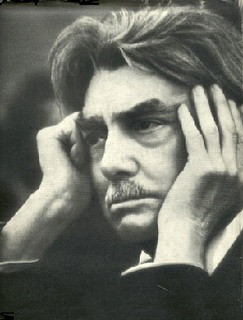 |
george1977 正式會員 210.xxx.xxx.97 |
2009-03-06 14:49 |
| [#9718] 【青年才子焦元溥談俄羅斯音樂】挾泰山超北海:從鋼琴看俄國演奏學派 若說二十世紀樂器演奏受何影響最巨,就木管而言自是法國和德國學派,銅管則在美國與北歐大放異彩。然而若論及弦樂和鋼琴,特別是後者,俄國學派以一代代技巧驚人無比的演奏名家,取得堪稱壓倒性的勝利。以鋼琴而言,俄國學派鋼琴家不但佔據從音樂會到國際比賽的大小舞台,甚至也根本性地影響其他演奏傳統:俄國大師安東‧魯賓斯坦(Anton Rubinstein, 1829-1894)的學生霍夫曼(Josef Hoffman)擔任美國柯蒂斯音樂院院長,列汶夫婦(Josef and Rosina Lhevinne)在茱麗亞音樂院任教,巴黎音樂院的松貢(Pierre Sancan)以肌肉解析並參考俄國學派而提出系統化的技術訓練,二十世紀中國鋼琴界則在俄國教師的啟蒙下突飛猛進……再加上拉赫曼尼諾夫、史克里亞賓、普羅柯菲夫等作曲家的創作——鋼琴家將其演奏技巧內化為音樂作品,透過作品影響世界,俄國鋼琴學派在二十世紀逐步主導全球鋼琴演奏美學與技巧訓練,也成為討論最廣的演奏學派。 魯賓斯坦鋼琴演奏的創新 今日所謂的「俄國鋼琴學派」,幾乎可說是由安東‧魯賓斯坦所肇端的演奏學派。他是當時足以和李斯特比美的大師,演奏技巧輝煌無比。魯賓斯坦晚年所開之一系列「歷史之旅」(Historical Recitals)鋼琴獨奏會,在七場音樂會中以時間順序從拜爾德(William Byrd, 1540-1623)彈到俄國當代作品,為俄國演奏家樹立模範。他深入鍵盤的觸鍵法、運用全身肌肉的施力技巧、極為柔軟放鬆的手腕,在在成為俄國學派的基本技巧。而其演奏最迷人之處,則是恢宏大度的格局、宛如歌唱的音色與旋律線、層次分明的踏瓣運用。他要求學生和歌手一同練習,由了解人聲來掌握歌唱句法,甚至要求鋼琴學生研習聲樂。他的音色多變宛如管弦樂團,更追求琴音的優美質感與歌唱性。在安東‧魯賓斯坦的時代,許多傳統鋼琴演奏者對於踏瓣仍採能省則省的態度,但他卻大力發展踏瓣技巧,更謂「踏瓣是鋼琴的靈魂」。凡此種種,安東‧魯賓斯坦在技巧與音色上都深刻影響俄國鋼琴家。他的演奏特色完全內化成俄國鋼琴學派的美學標準,一人影響了整代俄國鋼琴家的音樂美學與演奏技巧。 革命爆發後的俄國學派與中央音樂學校 隨著俄國共產革命爆發,傳統俄國鋼琴學派諸多名家移居國外,進入蘇聯時期的近代俄國鋼琴學派,在風格、技巧和音色上也逐漸產生轉變。聖彼得堡音樂院和莫斯科音樂院原有的均勢地位,也在蘇聯以莫斯科為首都後開始變化。現代俄國鋼琴學派以莫斯科音樂院為主導,在四大教授—伊貢諾夫(Konstantin Igumnov, 1873-1948)、郭登懷瑟(Alexander Goldenweiser, 1875-1961)、紐豪斯(Heinrich Neuhaus, 1888-1964)、芬伯格(Samuel Feinberg, 1890-1962)的帶領下大放異彩,形成現代俄國鋼琴學派的四大分支。伊貢諾夫創造出優美音色的觸鍵法與施力法,要求鋼琴彈得像人聲,也提出一套有系統的教法訓練鋼琴家彈出優美的聲音與歌唱句。郭登懷瑟強調嚴謹的理智思考和全方面音樂訓練,論述與校訂樂譜上亦有所成。他於1932年在莫斯科創立「中央音樂學校」(Central School of Music),後來在蘇聯各地(以加盟共和國為主)又設分支學校,為有音樂天份的兒童提供完整音樂訓練和必備人文教養。在蘇聯以國家資源支持下,「中央音樂學校」系統旨在培養六歲至十八歲的學生,在幼兒教育之上又加之不同分級,既讓學生從小便得以接受嚴格且正確的音樂訓練,讓所有具音樂才華的孩子都能發展天份。這是俄國鋼琴學派在蘇聯時期大放異彩的關鍵,也是今日俄國仍能不斷培育具有頂尖技巧音樂家的主因。 http://russia.blog.dindon.com.tw/page1.aspx?no=130924&step=1&newsno=53257 (魯賓斯坦可以說是俄國鋼琴學派的父祖級人物,對俄國鋼琴學派的發展與建立打下深厚基礎) 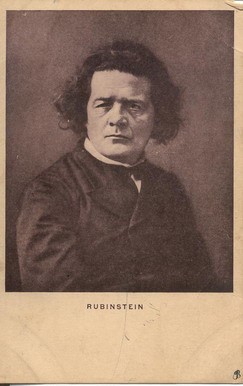 |
george1977 正式會員 210.xxx.xxx.97 |
2009-03-06 14:50 |
| [#9719] Richter: DG solo & concerto recordings SVIATOSLAV RICHTER Complete Deutsche Grammophon Solo & Concerto Recordings DG 477 8122 9 CDs http://www2.deutschegrammophon.com/cat/result?SearchString=sviatoslav+richter+477+8122 Available this May  |
Trollope 正式會員 202.xxx.xxx.32 |
2009-03-06 22:51 |
| [#9720] HOLST: The Planets @ Mark Elder George, Did you actually heard the pipe organ during Jupiter of Holst Planet? Also do you ever go to sleep? No one in R33 can match your output. I have to put my hands up and give u a 90 degree bow, hat off. Thanks for dropping by this afternoon with the CD, I was able to complete everything there is for Robert Elliot-Geiger's film score work which was brought up to me by his fellow Singapore Polytech Lecturer who spend the afternoon seeing what I do to the mix during my mastering. He was amazed with the amount of tools I had in my system to fix just about anything thrown at me. I will start on the work by Professor Chris Keyes of HK Baptist University on Monday (remember the tender for the job you helped me last time) and this will take me all week to finish the advanced mastering process that he wants. He wanted the CD to be a winner in sound quality, and among the tracks on this CD, I recorded 2 songs in this CD with James Boznos playing the percussion. I hope his mix does not disappoint me. Raymond |
NAR 正式會員 58.xxx.xxx.161 |
2009-03-07 00:14 |
| [#9721] Richter on Naxos Historical 8111352 SVIATOSLAV RICHTER (1915-1997) Early Recordings Vol. 1 1948-1956 Recordings Franz SCHUBERT (1797-1828); Moments musicaux, Op. 94, D. 780: No. 1 in C major Recorded in Moscow, 1952 Impromptu, Op. 90, D. 899: No. 2 in E flat major Recorded in Moscow, 1950 Impromptu, Op. 142, D. 935: No. 2 in A flat major Recorded in Moscow in 1952 Fryderyk CHOPIN (1810-1849): 12 Etudes, Op. 25: No. 5 in E minor Recorded in Moscow in 1952 Robert SCHUMANN (1810-1856): Fantasiestücke, Op. 12 (excerpts): No. 1. Des Abends No. 2. Aufschwung; No. 3.Warum? No. 5. In der Nacht; No. 8. Ende vom Lied Recorded in Moscow in 1948 Robert SCHUMANN: Humoreske in B flat major, Op. 20 Recorded in Moscow in 1956 Producer and Audio Restoration Engineer: Ward Marston “Richter is capable of making every other pianist sound like a beginner.” Gramophone Indisputably one of the greatest pianists of the 20th century, Sviatoslav Richter mesmerized audiences with his stunning pianism, charismatic stage presence and powerful interpretations of music ranging from Bach to Shostakovich. In these recordings, the earliest of which were made after he had won joint first prize at the All- Union Piano Competition in Moscow, Richter’s dazzling technique, fluency of execution and seamless legato are already to the fore. His 1948 recording of the Fantasiestücke, Op. 12, is here reissued for the first time since the original 78rpm issue. http://www.mdt.co.uk/MDTSite/product//8111352.htm Available later this month.  |
Trollope 正式會員 202.xxx.xxx.32 |
2009-03-07 10:04 |