兩聲道
CD機 | MD機 | SACD機 | DAC | CAS | 合拼擴音機 | 前級擴音機 | 後級擴音機 | 接線 | 喇叭線 | 揚聲器 | 耳機 | 耳機擴音機 | LP產品 | 膽機產品 | 開卷式錄音機 | 音響配件 | DIY音響 | 電源 | 家庭影院
電視機 | 投影機 | 錄影機 | DVD影碟機 | Blu-ray影碟機 | 多媒體播放器 | 機頂盒 | 多聲道擴音機 | 多聲道揚聲器 | 多聲道影音組合 | Mini音響組合 | 重低音揚聲器 | 輔助設備 | 同好會
同好會 | Accuphase | B&W | Burmester | Denon | Jadis | KEF | KRELL | Luxman | Marantz | Nuforce | OPPO | Pioneer | TEAC | WEISS | News
News | Blog | 其他
其他 | 所有 |
| 影音天地主旨 ﹝請按主旨作出回應﹞ 下頁 尾頁 | 寄件者 | 傳送日期
|
| [#25] bi-amp, 同一段中, 用兩對不同長度的接線/喇叭線 原廠設計係預你兩組相同喇叭線的,你鐘意改係個人口味問題. |
Philippe 正式會員 正式會員202.xxx.xxx.209 |
2021-04-22 09:00 | |
|
|
|||
| [#24] bi-amp, 同一段中, 用兩對不同長度的接線/喇叭線 How about the mono block? Waste also? |
Andy3210 正式會員 14.xxx.xxx.126 |
2021-04-22 07:39 |
| [#23] bi-amp, 同一段中, 用兩對不同長度的接線/喇叭線 相信樓主一定系發燒友,玩到無野好玩! |
吹吹水 正式會員 218.xxx.xxx.79 |
2018-11-16 22:49 |
| [#22] bi-amp, 同一段中, 用兩對不同長度的接線/喇叭線 電流在銅線的傳輸速度係: 300,000,000m/s x 0.97 =291,000,000m/s 兩條線相差0.5m, 即是相差: 1/582,000,000秒 = 1.72ns 用短線的訊號會快1.72ns, 即是會快咗。 呢個只係計電流傳送速度,還未計transmission line effect所引起的propagation delay, in terms if micro-second level. |
jwong852 正式會員 61.xxx.xxx.74 |
2018-11-16 22:22 |
| [#21] bi-amp, 同一段中, 用兩對不同長度的接線/喇叭線 用 2 部同樣的 amp 及喇叭線(包括長度)玩 bi-amp,個人會覺得極為浪費。 |
vw2202 正式會員 210.xxx.xxx.58 |
2018-11-14 10:34 |
| [#20] bi-amp, 同一段中, 用兩對不同長度的接線/喇叭線 牌子,長度最好一樣 |
aheung 正式會員 219.xxx.xxx.136 |
2018-11-14 08:33 |
| [#19] bi-amp, 同一段中, 用兩對不同長度的接線/喇叭線 If the speakers are designed for either bi-wired or bi-amp, then they sound better under both applications. Here below is a diagram from an Apogee Planar speaker. For an Apogee, bi-wired or bi-amp is a must to provide good results. This speaker was launched @ 1988 - 30++ years ago. 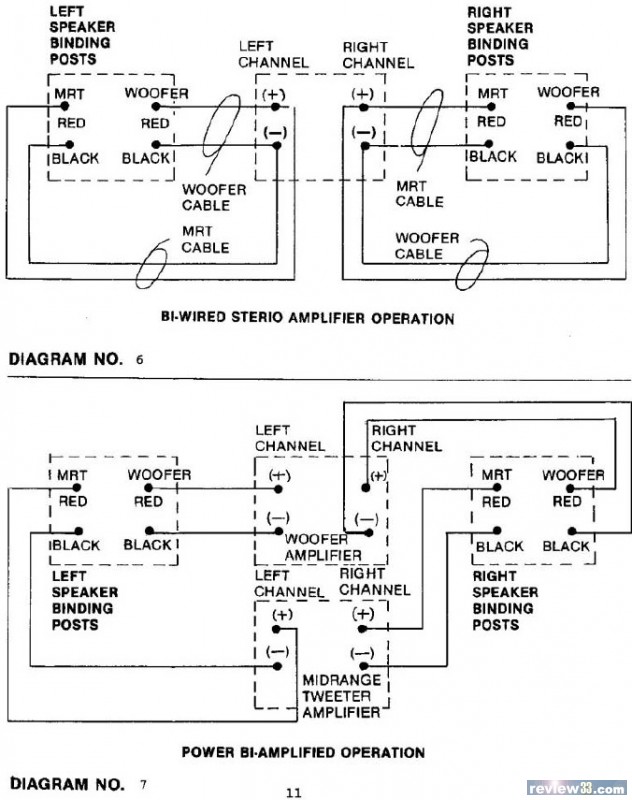 |
Kenny 正式會員 116.xxx.xxx.201 |
2009-12-11 20:34 |
| [#18] bi-amp, 同一段中, 用兩對不同長度的接線/喇叭線 Seems like a lot of people are really confused by such terms as bi-wire and bi-amp. Well, it so happened that I regularly read overseas Hifi magazines back in the days when such terms were "invented". 1) Before "bi-wiring" and "bi-amping" were conceived, most systems were single amp driving speakers using one pair of cable. The more sophisticated systems (ones that most hifi enthusiasts aspired to) were "active crossover systems", where an active crossover splits the signal into different frequency bands to feed separate amps which in turn drive separate speaker units DIRECTLY(i.e. sans crossover in the speakers). A good sounding active crossover system needs a lot of adjustment and fine tuning. 2) during the 80's, someone experimented with bi-wiring and liked the results. Thus speaker manufacturers started producing speakers supporting bi-wiring. "Bi-wire" means that separate cables are used to connect the output from the amp to the different bandpass filters (or branch) in the speaker's crossover network directly. The speaker in whole is still driven by ONE amp. 3) Then some people thought, instead of bi-wiring, why not using separate amps to drive the bi-wired speaker? Kind of reminiscing "active crossover system" but without the complexity of the added active crossover. It sounded like a good compromise and again, some people liked the result. Thus, the term "bi-amping" was born. BTW, it was quite common to use amps of different power in an active crossover system in order to save money. That can be managed because the signal level can be adjusted at the active crossover. Whereas, in an bi-amp system, as the crossover in the speaker is used, the power and gain of the amps driving it should be identical in order to avoid odd side effects. Also, using different types/lengths of cables in a bi-wired/amped system would be like making minor changes to the speaker's crossover network (don't want to go into the theory now). Whether one should do it or not depends very much on one's philosophy. 最後修改時間: 2009-12-11 15:14:04 |
olddude 正式會員 202.xxx.xxx.82 |
2009-12-11 14:59 |
| [#17] bi-amp, 同一段中, 用兩對不同長度的接線/喇叭線 唉.... Mono-blocks is a form of bi-amp la ka ********************************************* Whatever you say, sir...^_^ Doesn't matter la...^_^ |
yukclee 正式會員 218.xxx.xxx.171 |
2009-12-11 10:09 |
| [#16] bi-amp, 同一段中, 用兩對不同長度的接線/喇叭線 唉.... Mono-blocks is a form of bi-amp la ka ^_^. Bi means double amp, so mono-block is the most basic bi-amp configuration and the easiest to apply bi-amp principle for better control over the speakers. The point is: No one uses 2 different cable lengths to drive right and left channels. |
Kenny 正式會員 116.xxx.xxx.57 |
2009-12-10 20:16 |
| [#15] bi-amp, 同一段中, 用兩對不同長度的接線/喇叭線 Home theater system - this is quite a complicated and professional tuning to be set if need to be done properly. But usually the equipment has in-built time-delay circuit for this fine tuning. And you need specific source and measuring instrument for db certifications. That's why I still prefer a 2 channel setup for a good theater system..:-). It can still be very very good. The problem is on the source! |
yukclee 正式會員 218.xxx.xxx.14 |
2009-12-10 10:51 |
| [#14] bi-amp, 同一段中, 用兩對不同長度的接線/喇叭線 i agree yukclee similarly in multi channel home theatre system using av receiver to drive surround speakers and using power sub(s) is another form of biamping. integration of bass from sub with sound from surround speakers is itself a profound technique. there have been lots of info from the web on this. which method is good will depend on your room size and shape too. |
cpu8088 正式會員 115.xxx.xxx.214 |
2009-12-10 10:36 |
| [#13] bi-amp, 同一段中, 用兩對不同長度的接線/喇叭線 By the way, monoblocks are not biamp. If you biamp using monoblocks, you should be using four amplifiers. |
yukclee 正式會員 218.xxx.xxx.14 |
2009-12-10 10:27 |
| [#12] bi-amp, 同一段中, 用兩對不同長度的接線/喇叭線 When you tune a system, you should always have a direction in mind. One of the difficulty in bi-amping is the coherence, or speed. Otherwise, you will hear the music in two sections, e.g. bass cannot catch up with mid-range, etc. While biamp will definitely improve soundstage, dynamics and control, it is quite often this difference in coherence/speed that makes people intolerable. Quite often, you can even hear the difference for amps even of same manufacturer and model but different in age. So if you biamp using different amps (tube mix with solidstate), different speaker cables, and even different lengths, you will always get some sound coming out. One can always beautify this as 校聲。But if you do not have a standard on what it is like first, how do you 校? This is like 瞎子摸象 and I would say good luck to you. |
yukclee 正式會員 218.xxx.xxx.14 |
2009-12-10 10:26 |
| [#11] bi-amp, 同一段中, 用兩對不同長度的接線/喇叭線 理論上, 用不同牌子和不同長短的線材, 主要原因是調校音色. This is a lie from local hifi magazines. Anyhow, if you can afford a bi-amp, or, tri-amp, then you should go for it. It is a significant improvement over a single amp. Mono-blocks, are also bi-amp. |
Kenny 正式會員 112.xxx.xxx.244 |
2009-12-09 20:27 |
| [#10] bi-amp, 同一段中, 用兩對不同長度的接線/喇叭線 >3) 用鴛鴦六七四長度的線 只會增加setup 時的難度.比較難做到平衡. 情況有如跑馬射蚊鬚. 攪多過聽. (除非你手上無線可用啦) I think some people would consider that as the "ultimate challenge" to set up a system. Some people just like to do something for the sake of doing it, no matter whether it make sense or not. |
olddude 正式會員 58.xxx.xxx.112 |
2009-12-09 19:23 |
| [#9] bi-amp, 同一段中, 用兩對不同長度的接線/喇叭線 just look at home theatre systems using powered subwoofers. there are definite benefits if you are not using full range floorstanders. |
cpu8088 正式會員 115.xxx.xxx.214 |
2009-12-09 16:28 |
| [#8] bi-amp, 同一段中, 用兩對不同長度的接線/喇叭線 玩bi-amp.的原意 係想你買多部amp..... XD |
hiphopzz 正式會員 59.xxx.xxx.60 |
2009-12-09 16:10 |
| [#7] bi-amp, 同一段中, 用兩對不同長度的接線/喇叭線 do u know how fast signal travel thru a 8 ft cable as compare with a 12 ft cable? do u think recording engineers will use same length microphone cables to connect the microphones to the recording equipment? 最後修改時間: 2009-12-09 15:38:13 |
cpu8088 正式會員 115.xxx.xxx.214 |
2009-12-09 15:33 |
| [#6] bi-amp, 同一段中, 用兩對不同長度的接線/喇叭線 玩bi-amp.的原意, 是否為了用不同牌子和長度的接線, 電源線和後級呢? ++++ 1) 不是.<--- 2) 玩bi-amp.的原意 係想更好的推控你對喇叭, 從而得到更闆更details的音質. 3) 用鴛鴦六七四長度的線 只會增加setup 時的難度.比較難做到平衡. 情況有如跑馬射蚊鬚. 攪多過聽. (除非你手上無線可用啦) |
草蜢仔 正式會員 79.xxx.xxx.254 |
2009-12-09 15:31 |